An illustrated encyclopedia of mythology
Gods &
Monsters
Each figure with its story, its iconography, and its counterparts in other pantheons.
Six pantheons on one map
Open the atlas →From the Nile to the Japanese archipelago. Pick a region to enter its pantheon.
Six pantheons in time
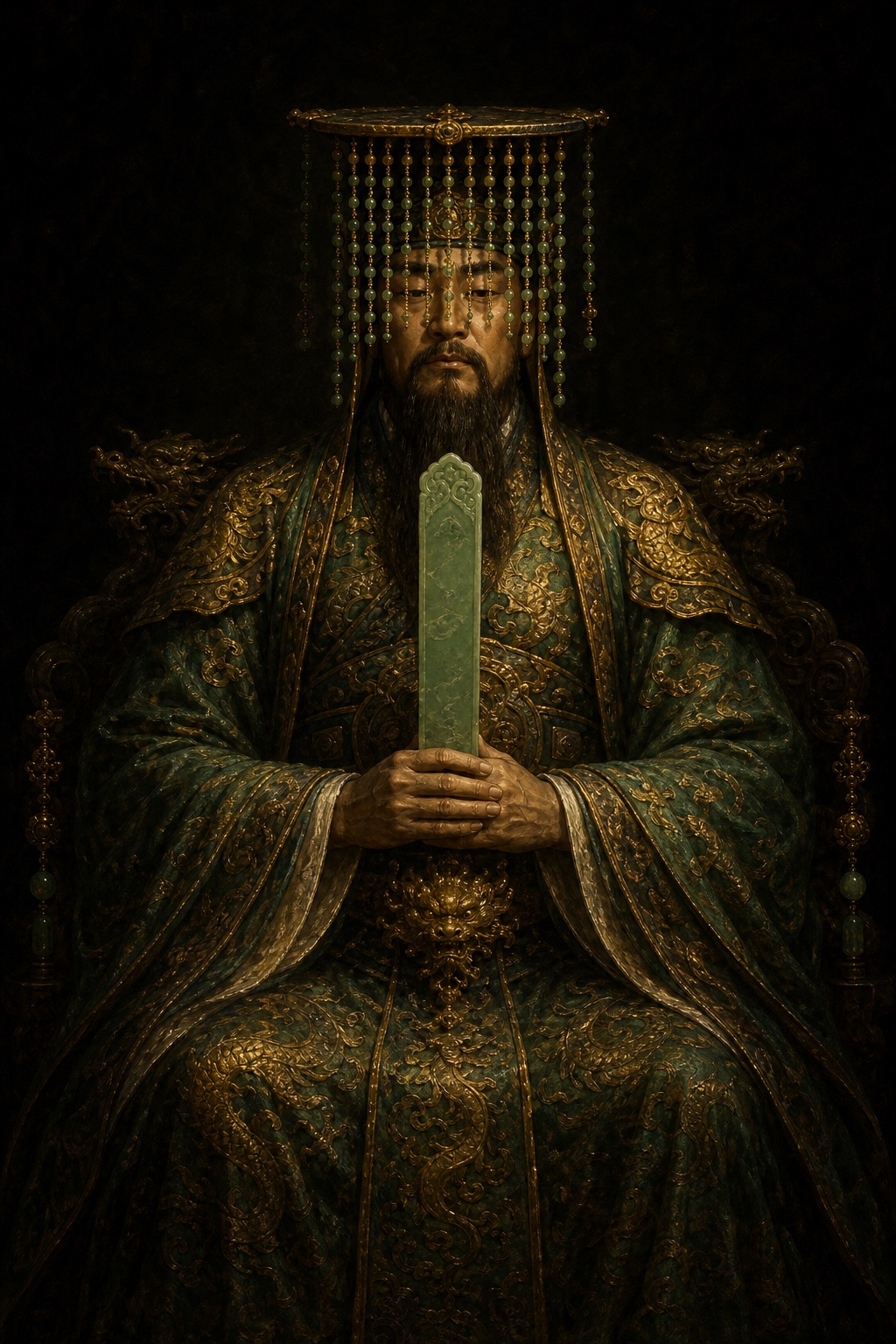
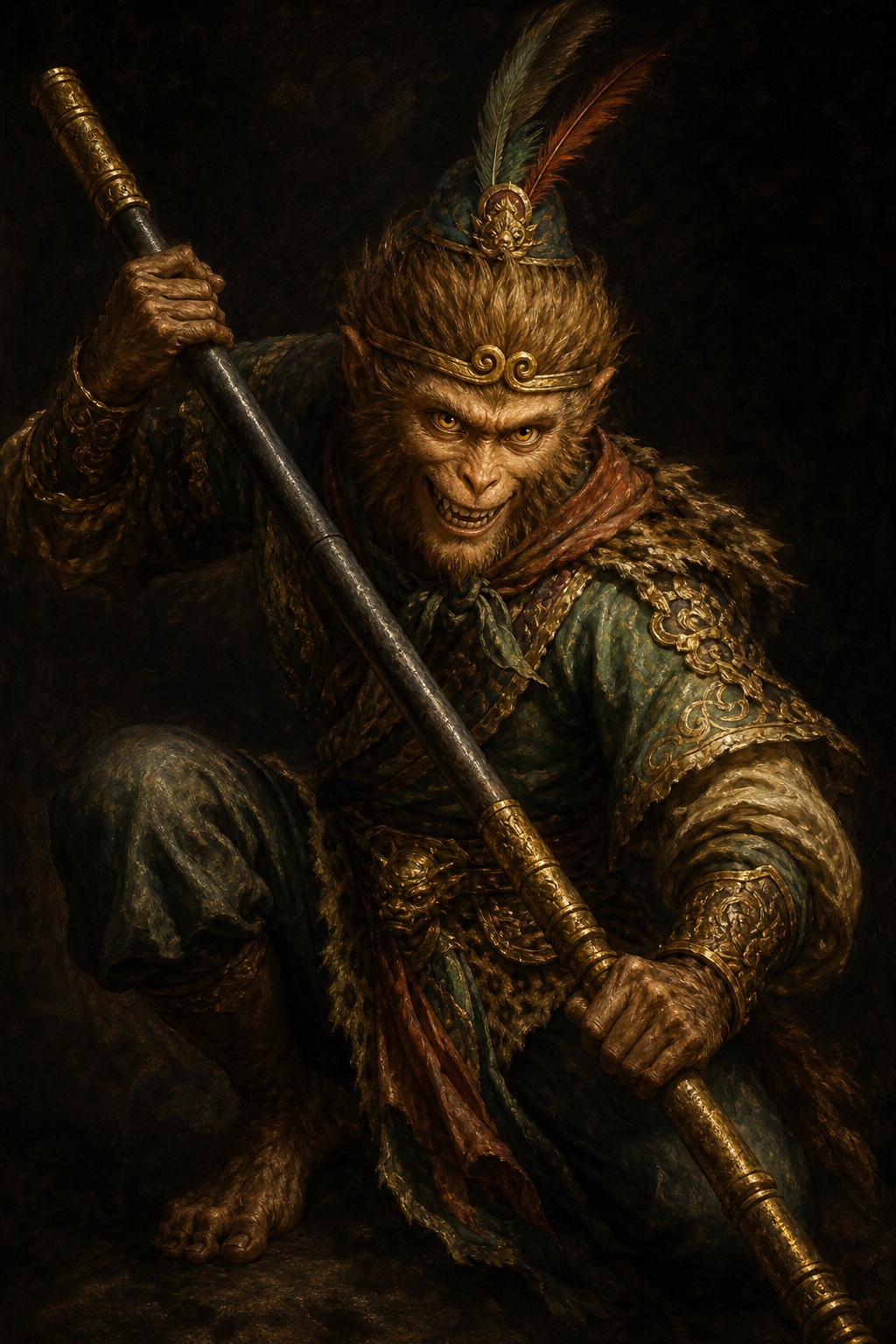
3100 BC — presentGods kept on a celestial payroll — sky-sovereigns, peach-guarding immortals, and one unkillable monkey — drawn from oracle bones, Daoist scripture, and the Ming novel.
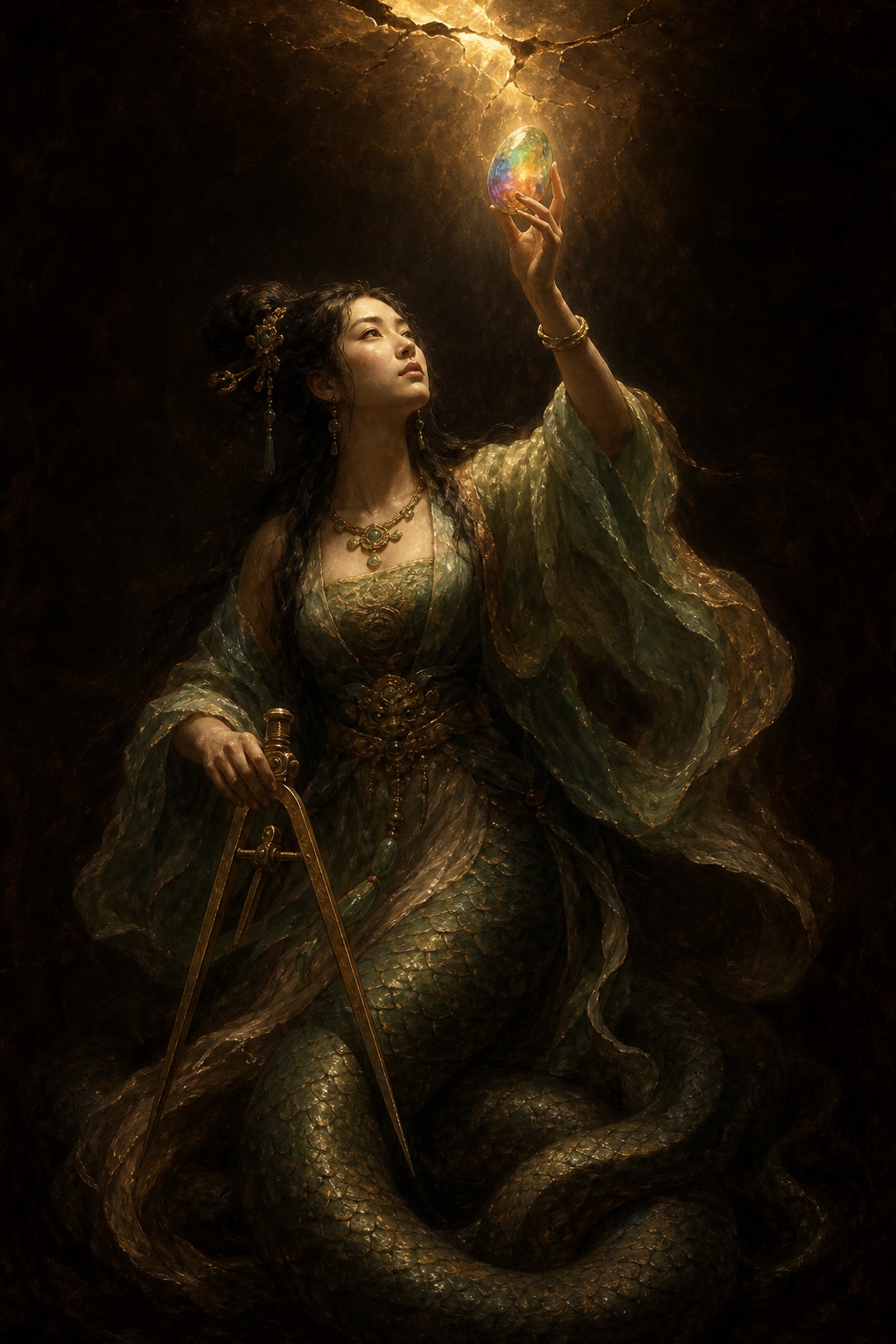
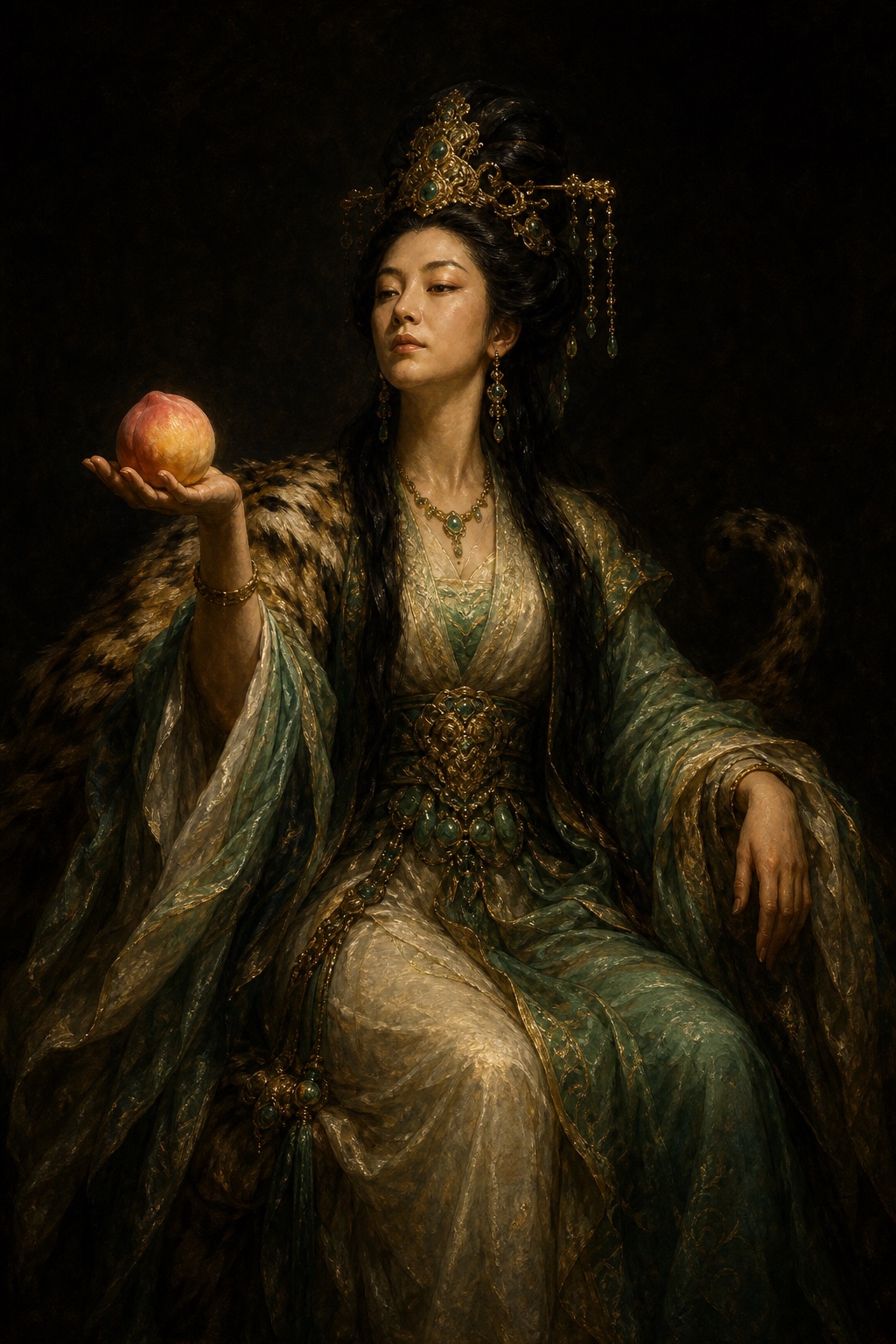
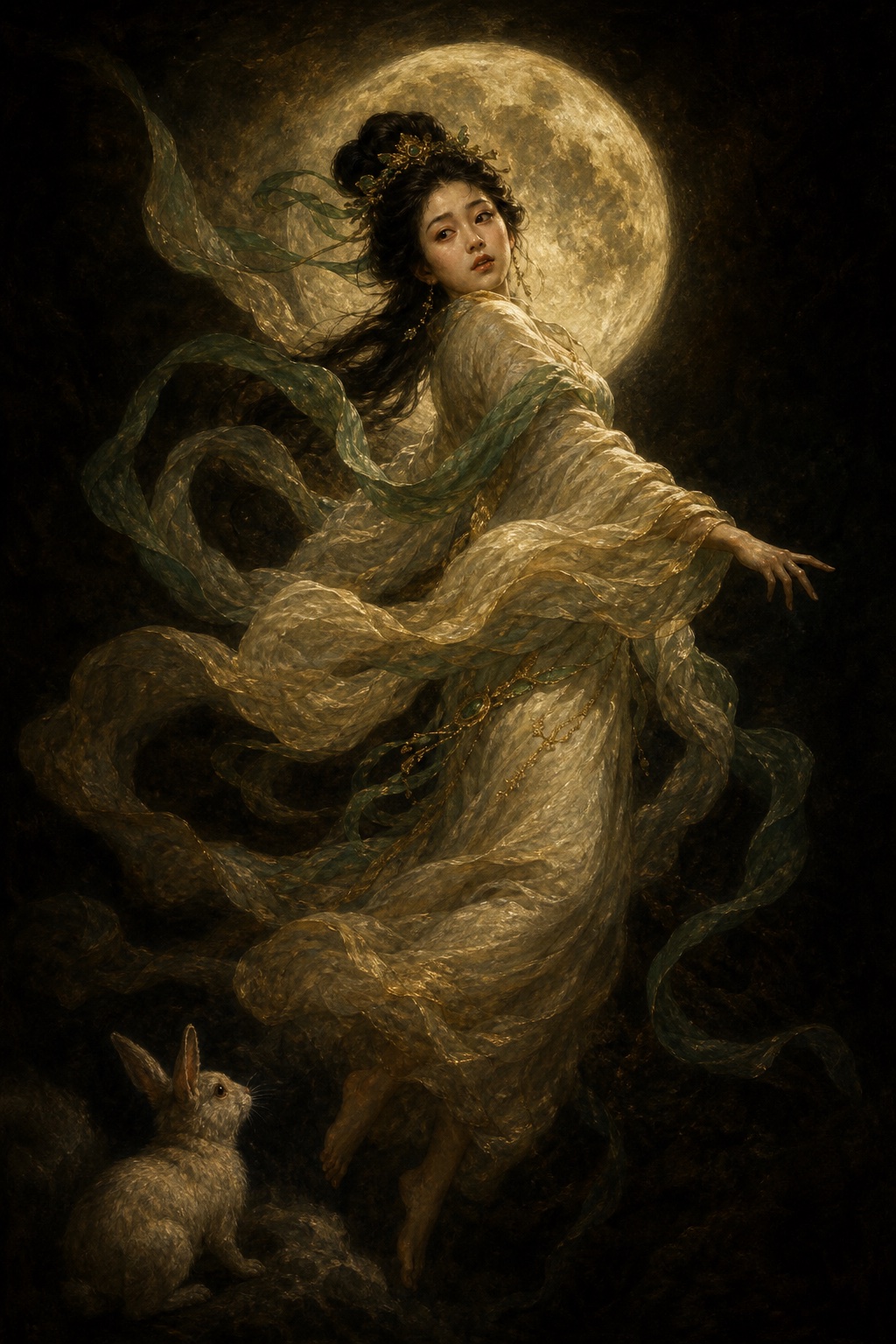
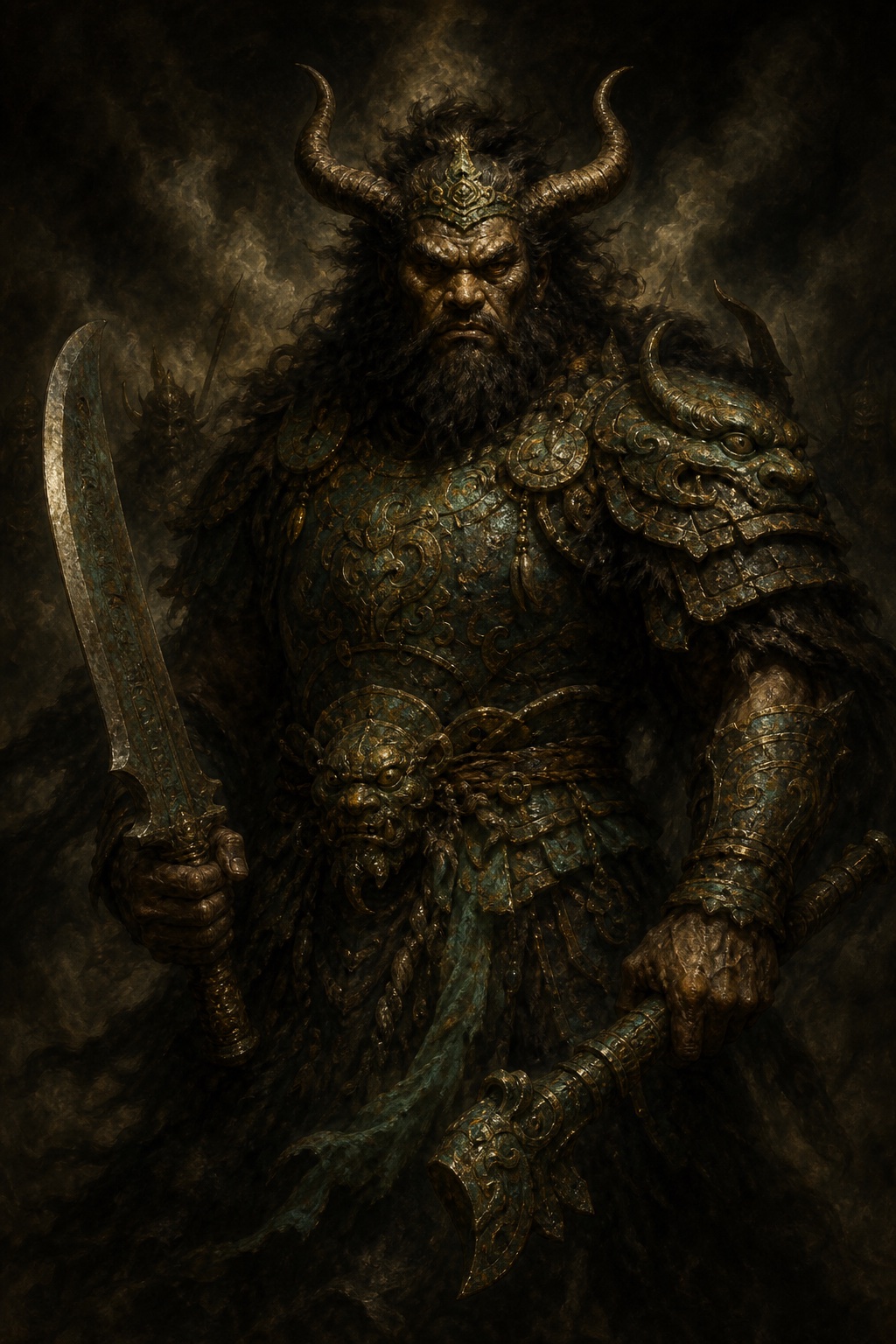
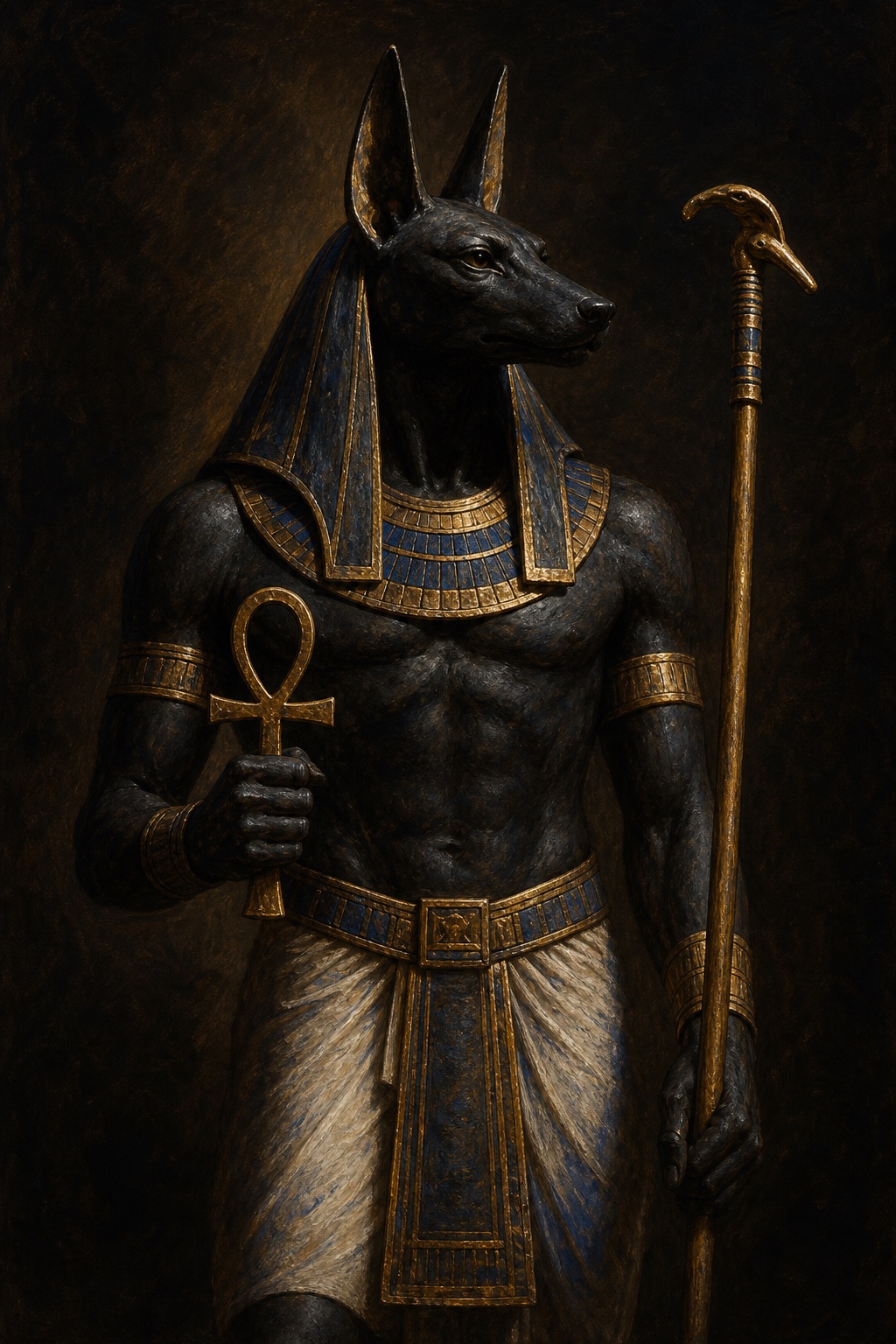
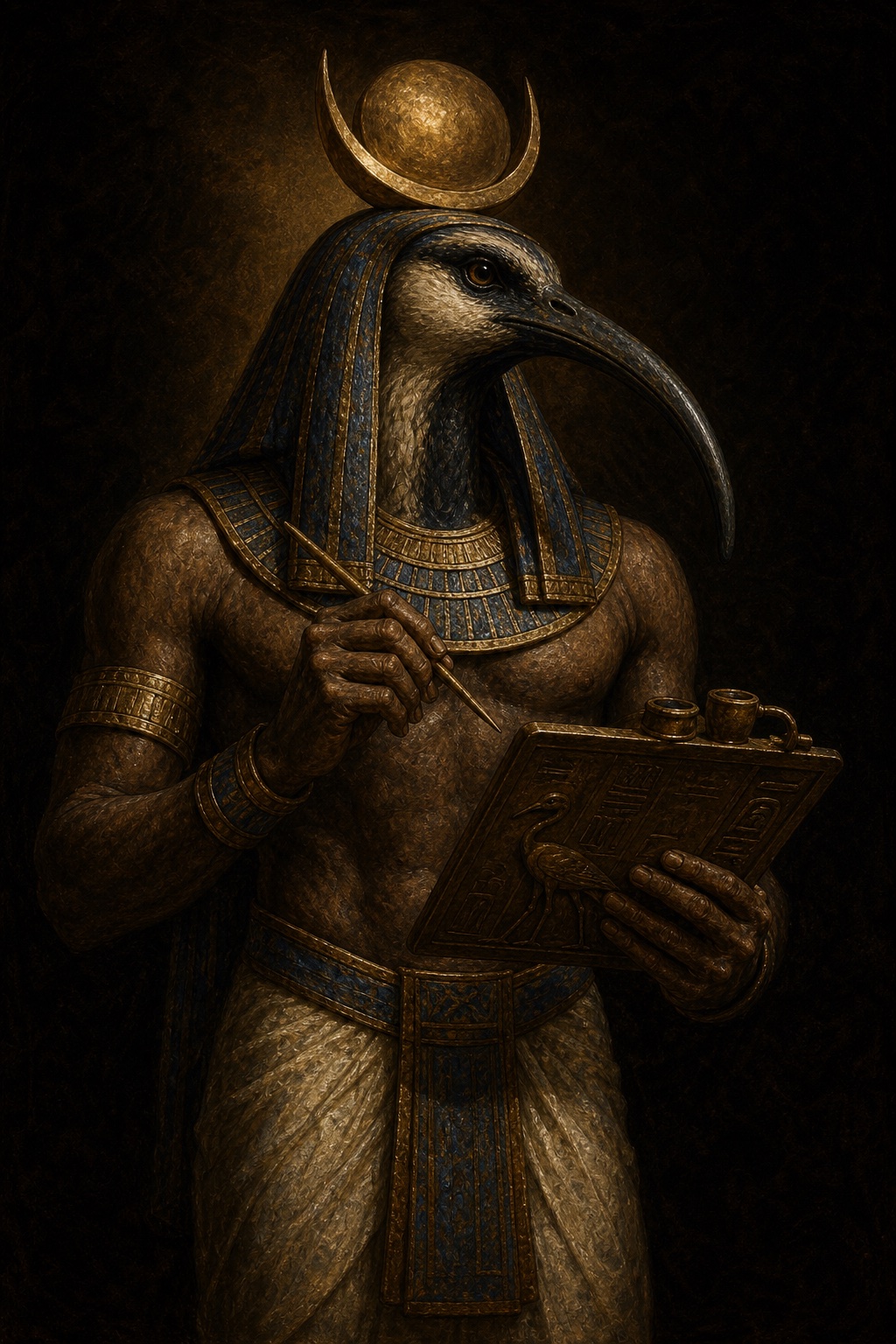
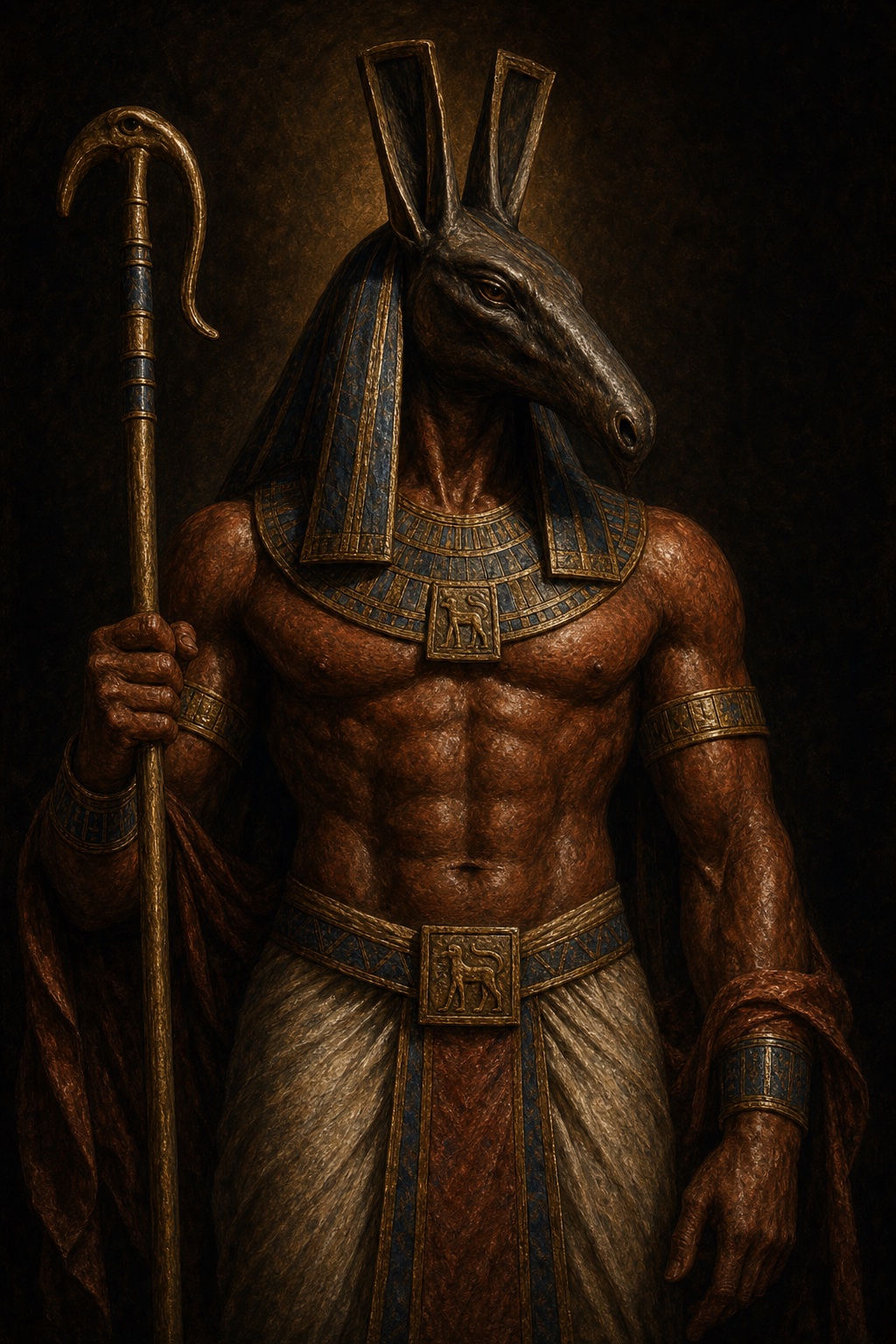
Gods of sun, river, and the world beyond death — a pantheon obsessed with keeping order against the serpent of chaos.
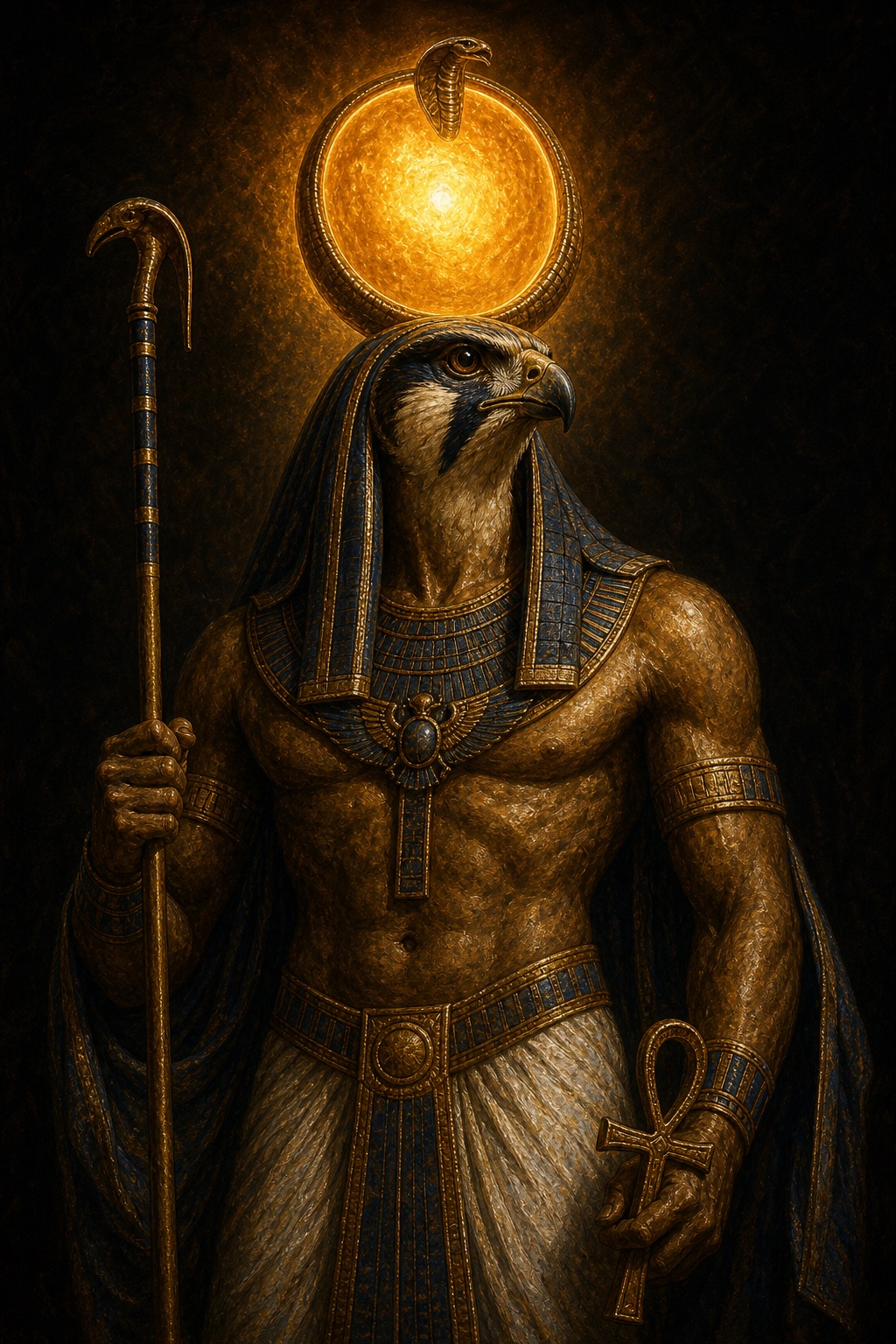
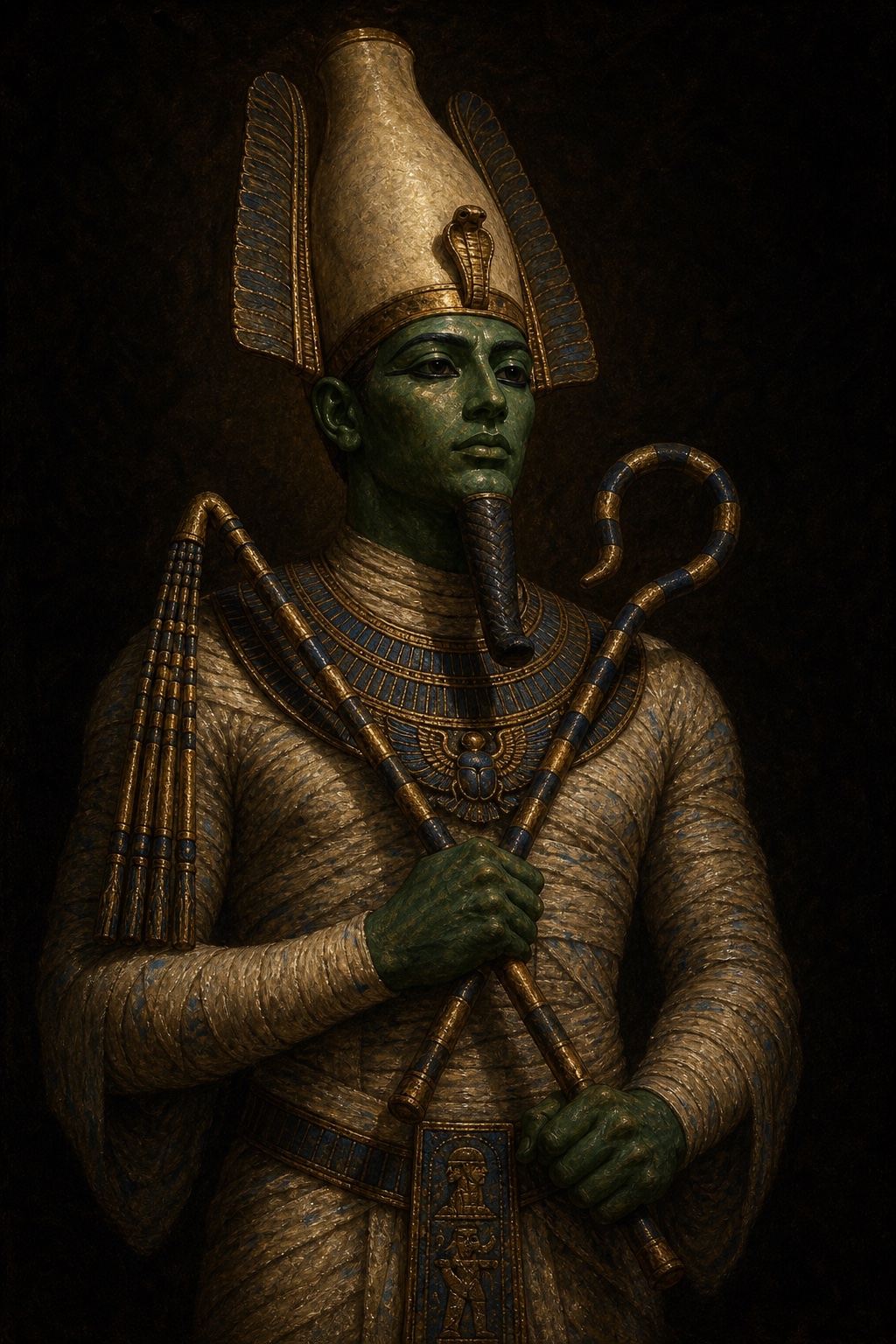
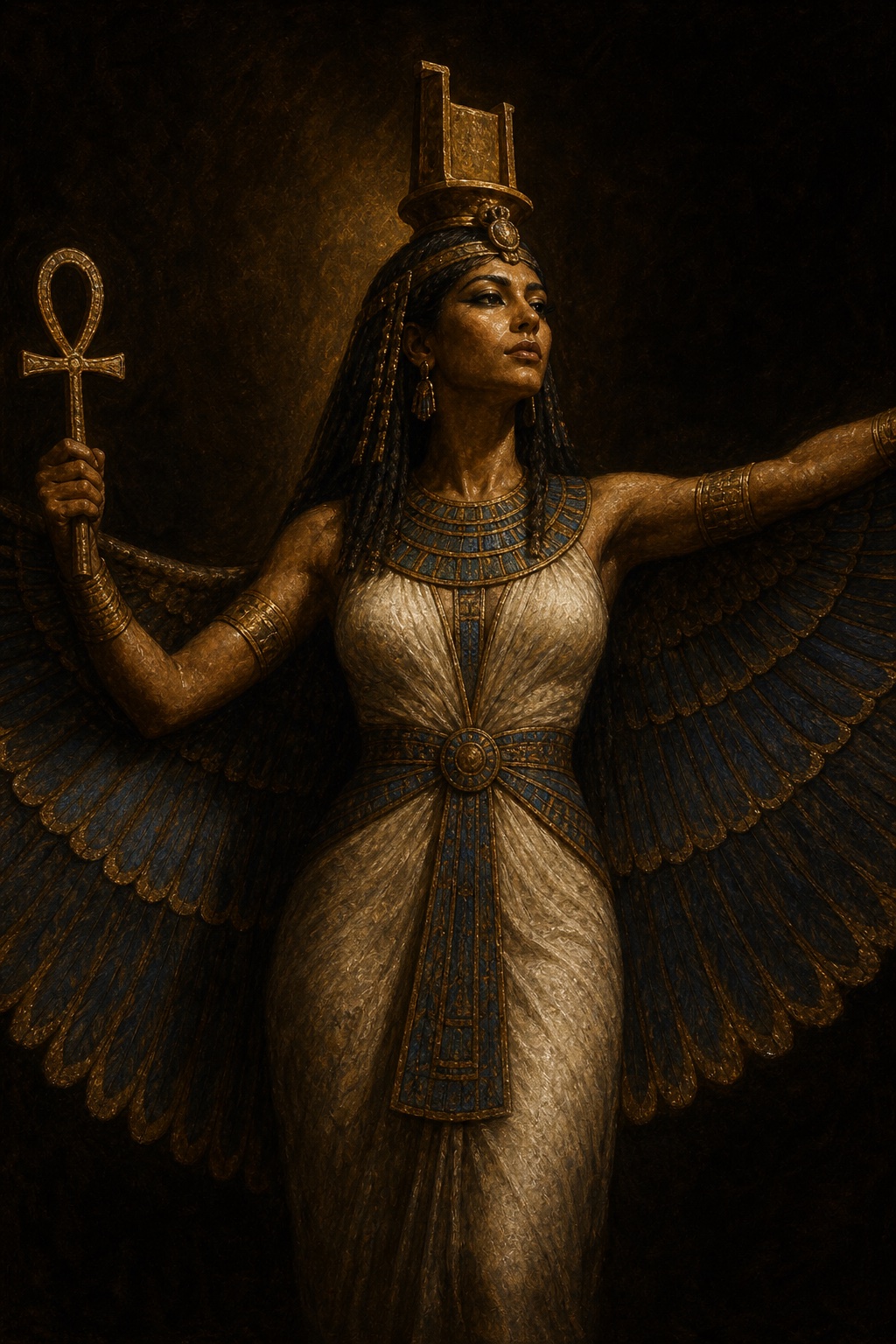
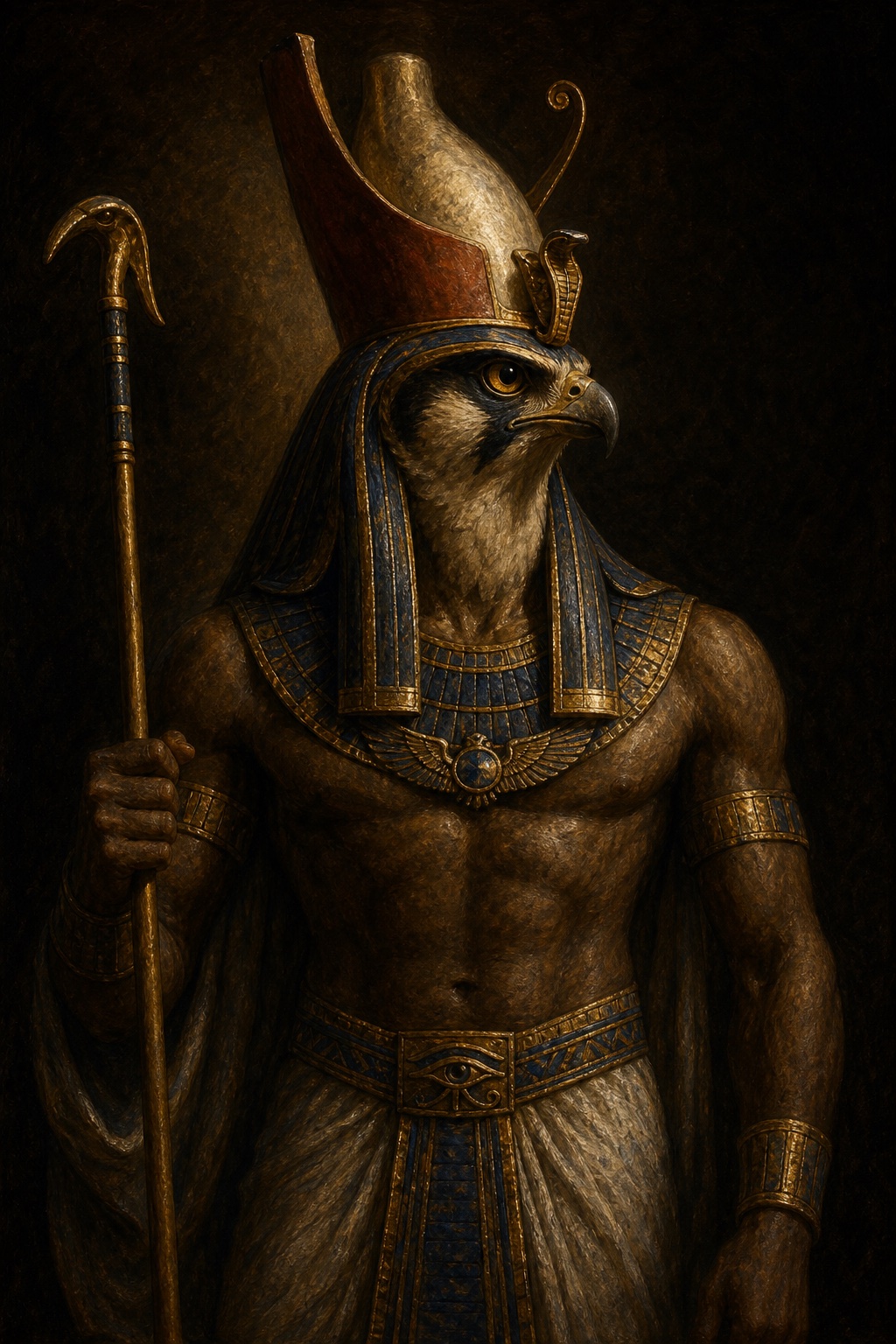
The Olympian pantheon of ancient Greece — sky-rulers, sea-shakers, and the monsters heroes were made to slay.
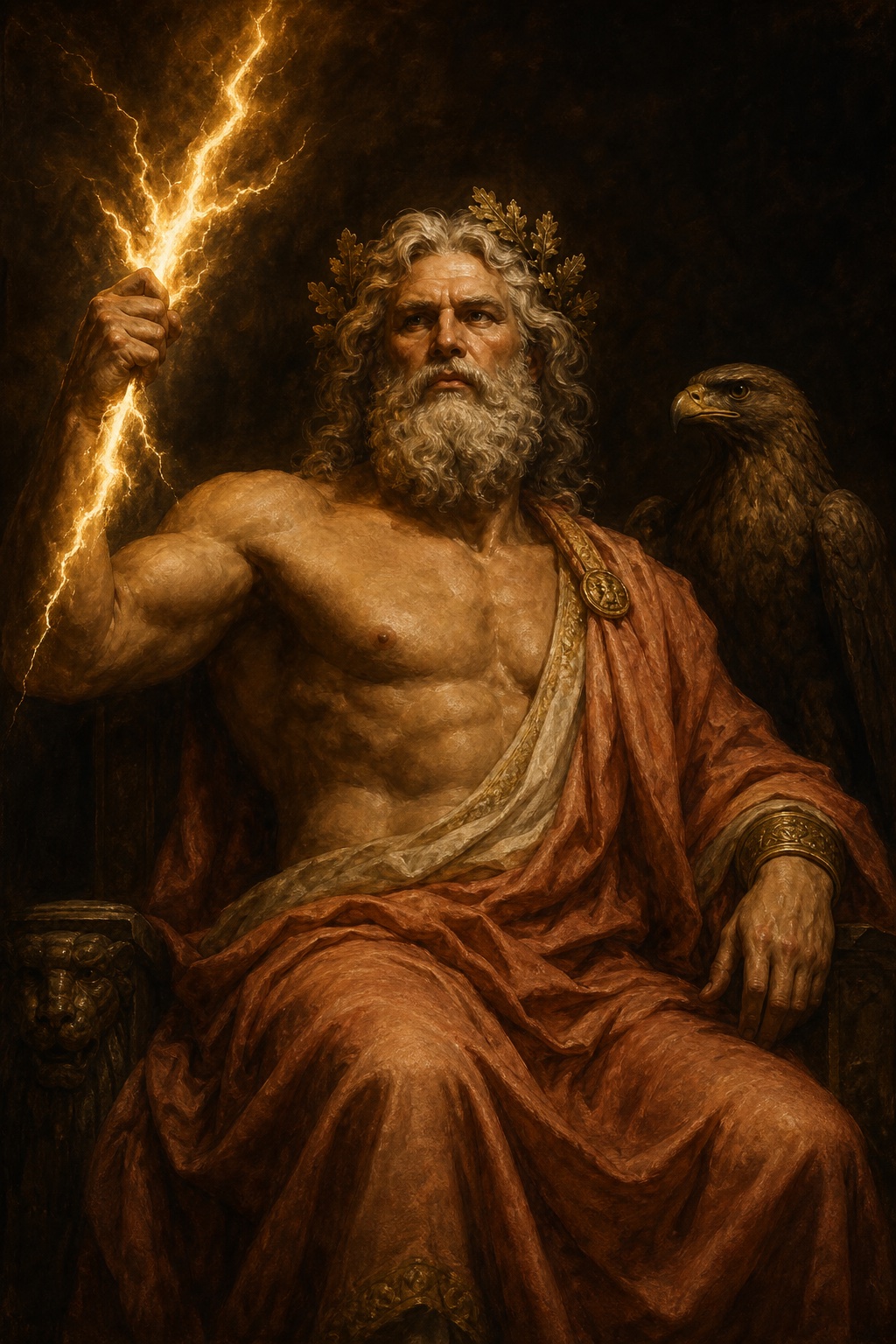
Zeus
sky · thunder · kingship
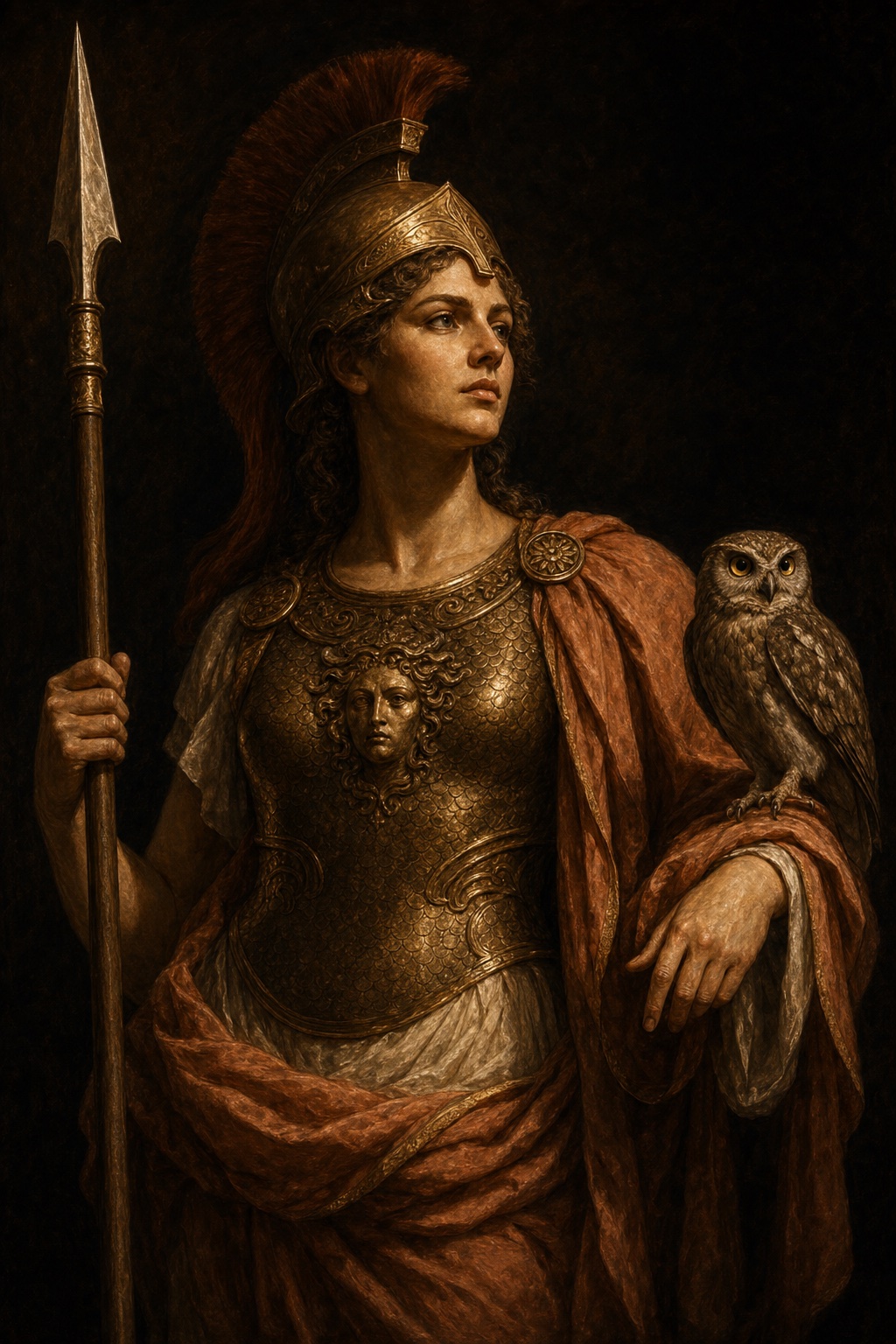
Athena
wisdom · war · strategy
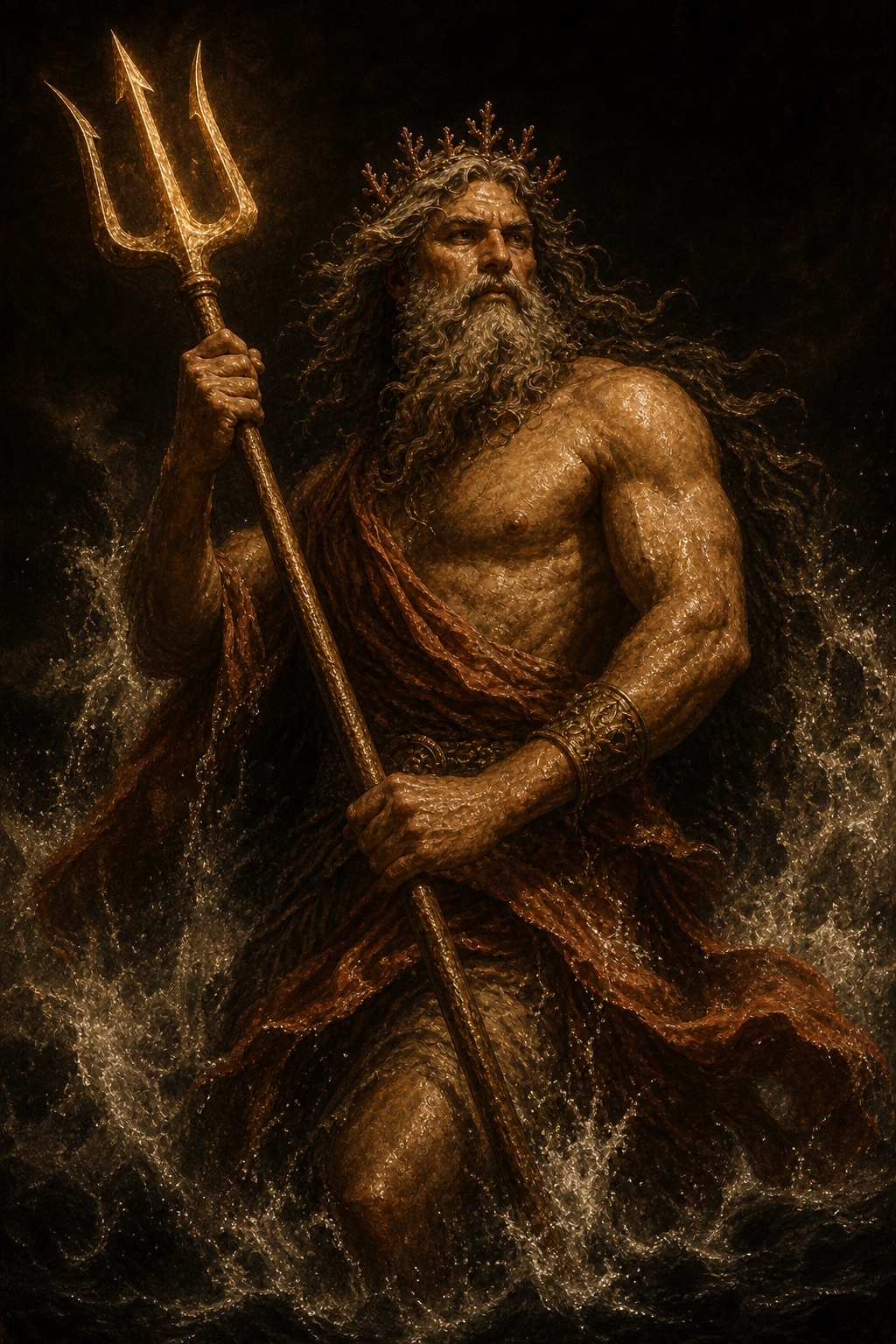
Poseidon
sea · storms · horses
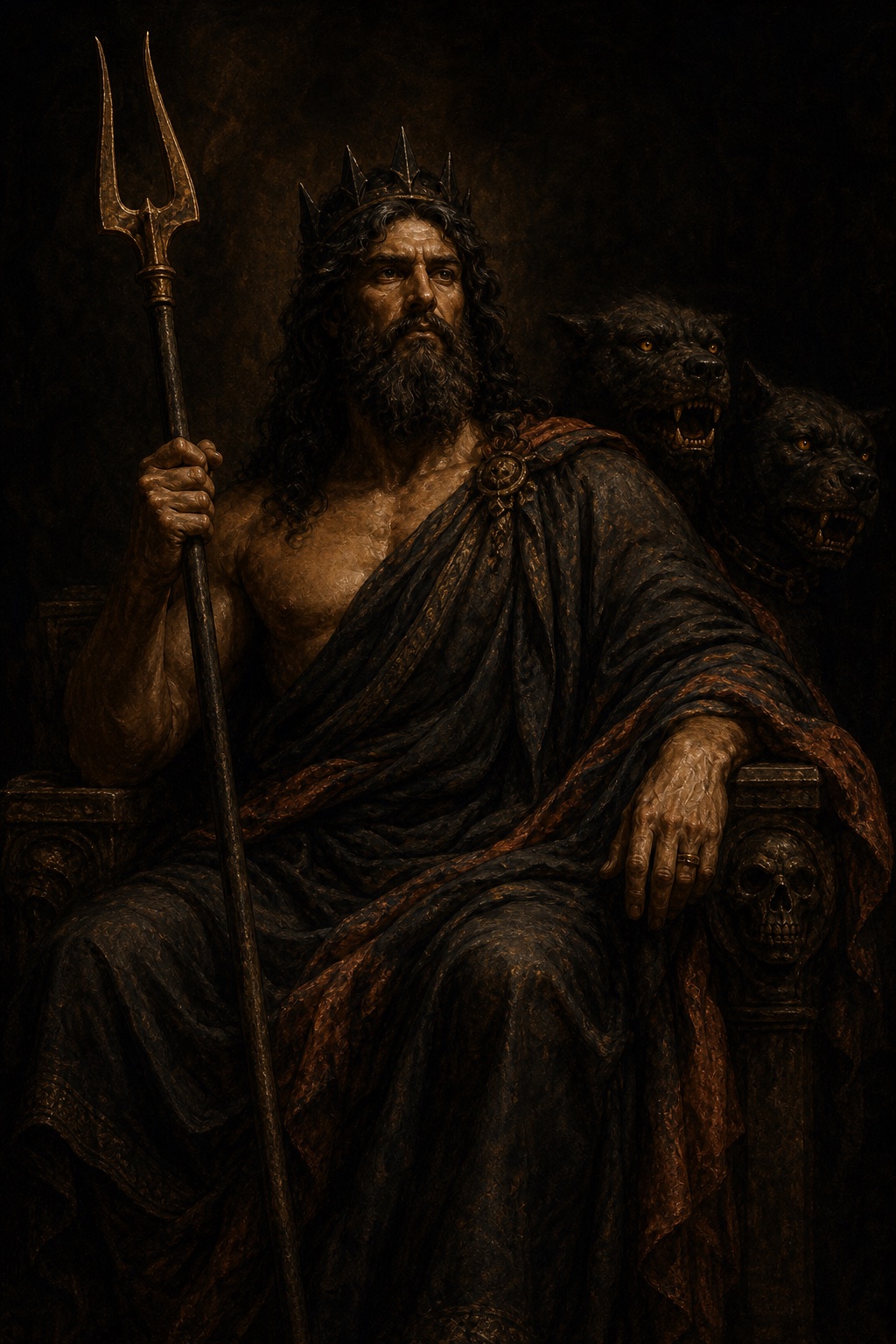
Hades
death · underworld · darkness
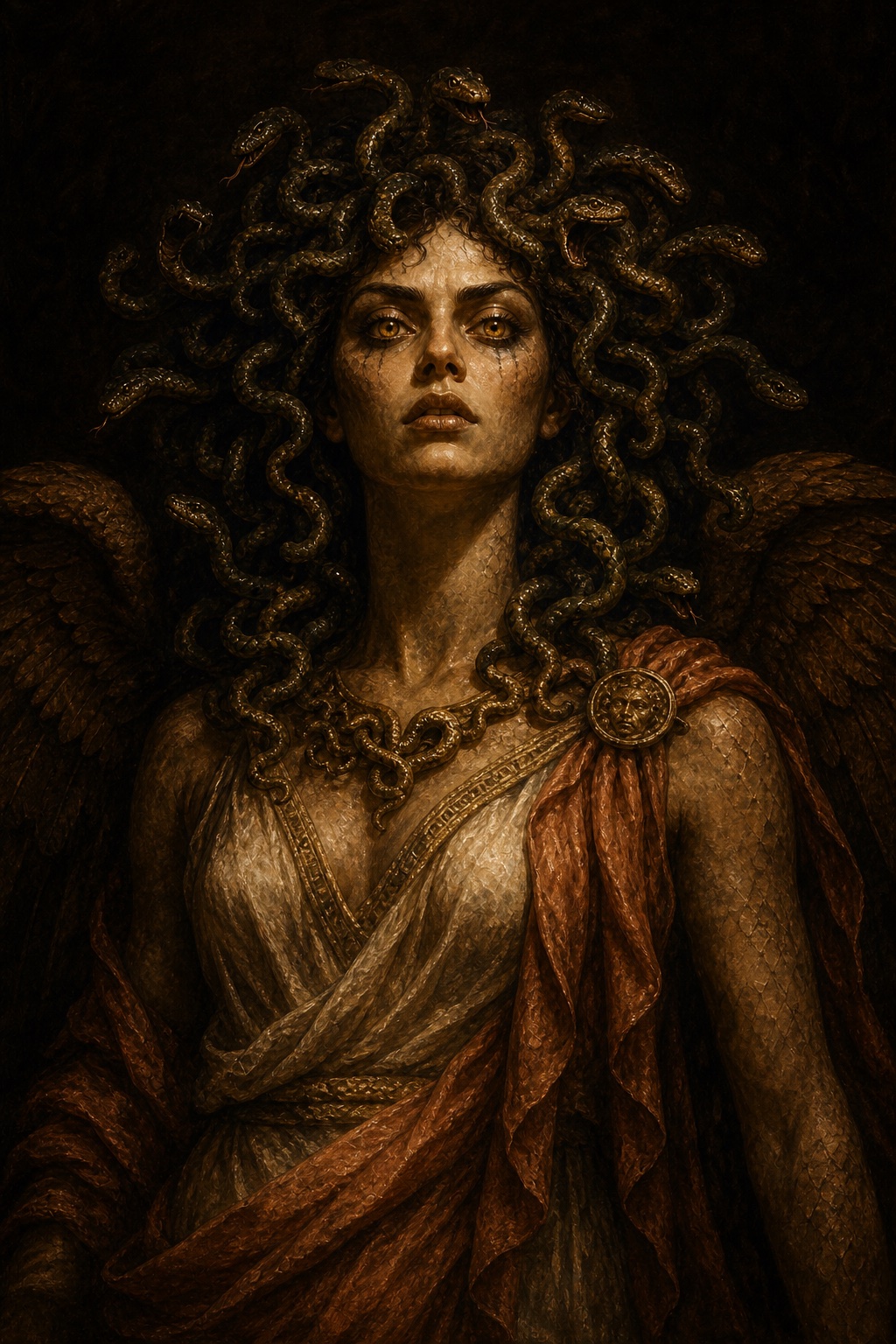
Medusa
monsters · magic · death
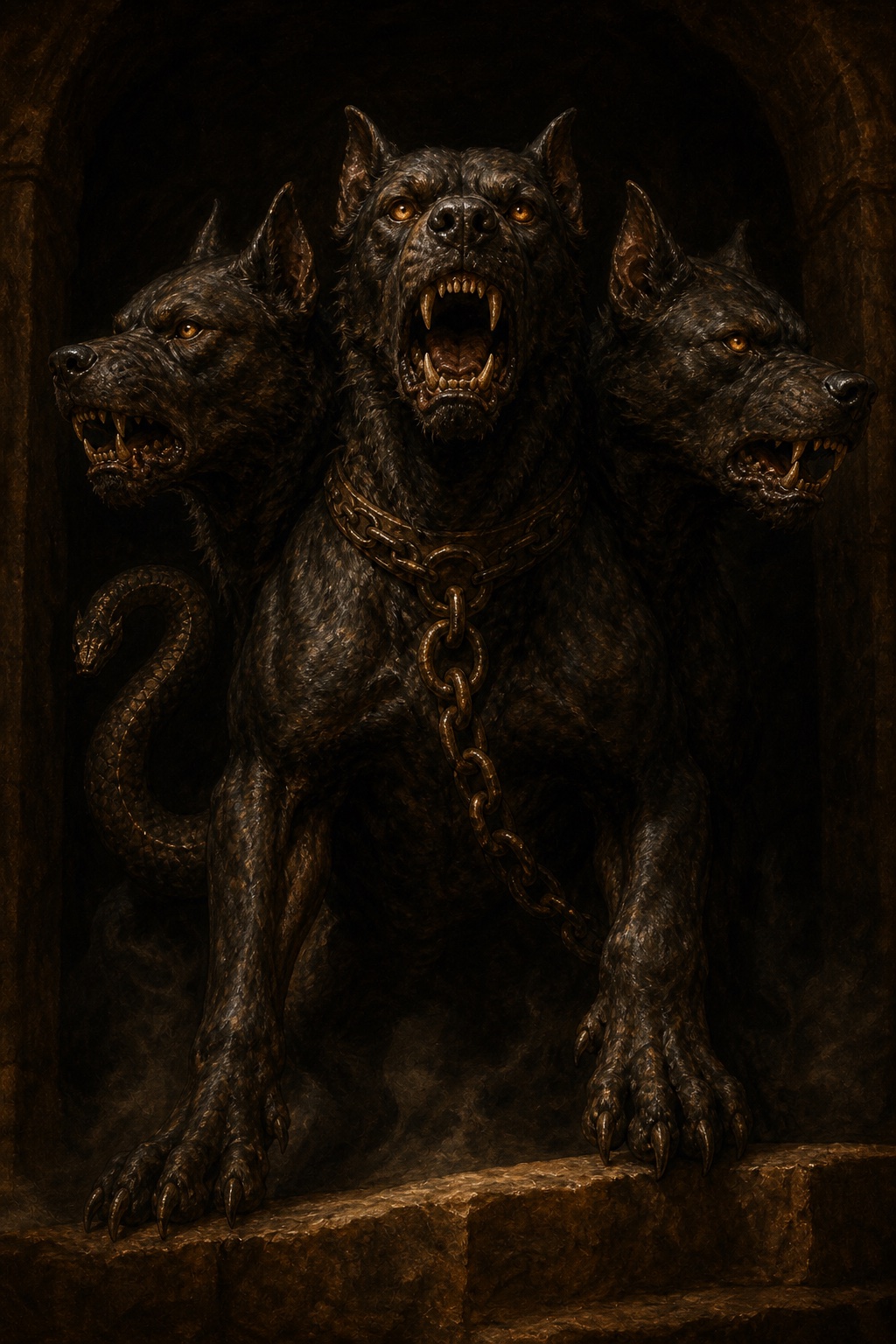
Cerberus
underworld · guardianship · monsters
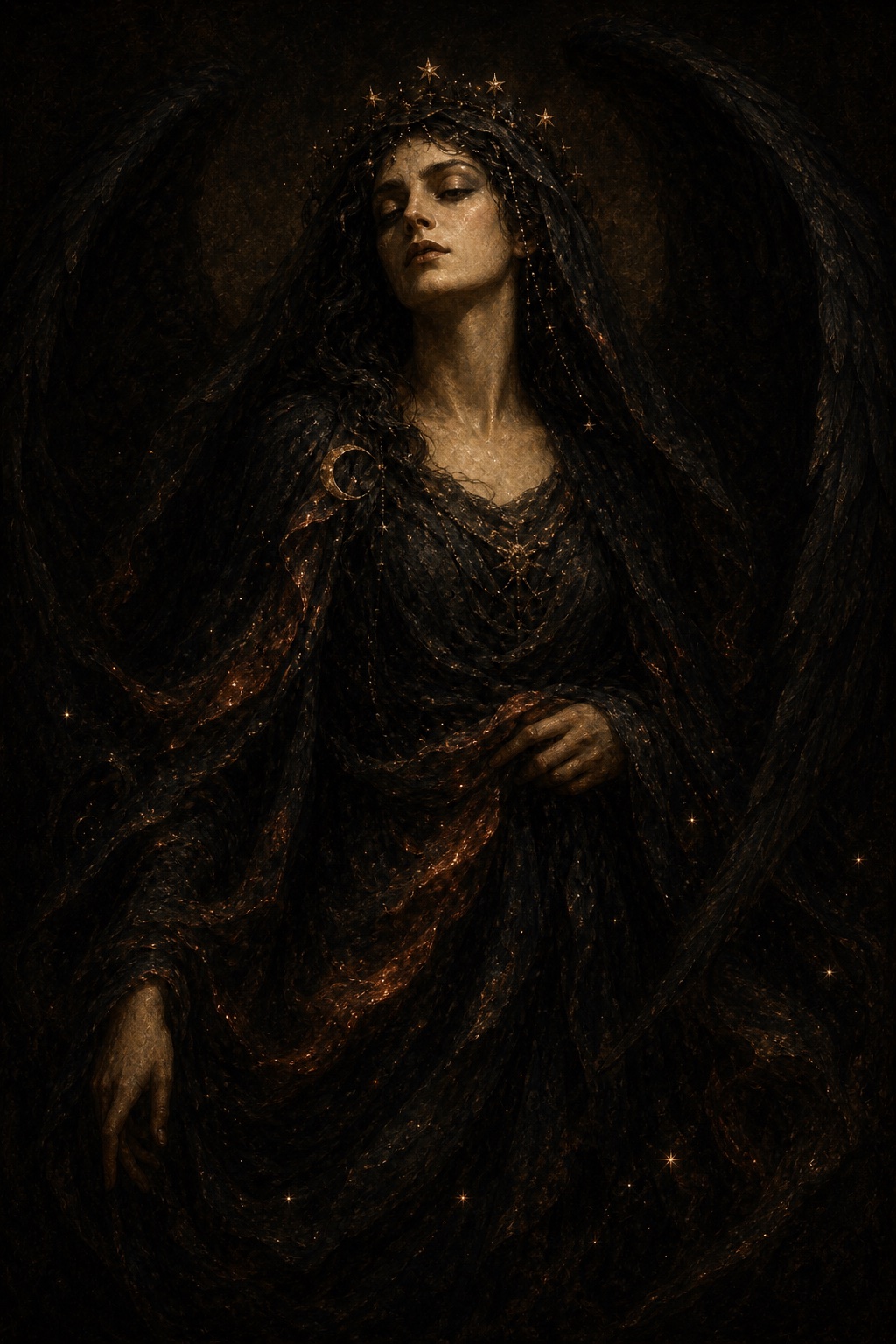
Nyx
night · darkness · fate
From the Vedic storm-king who slew the drought-serpent to the living gods of a billion worshippers.
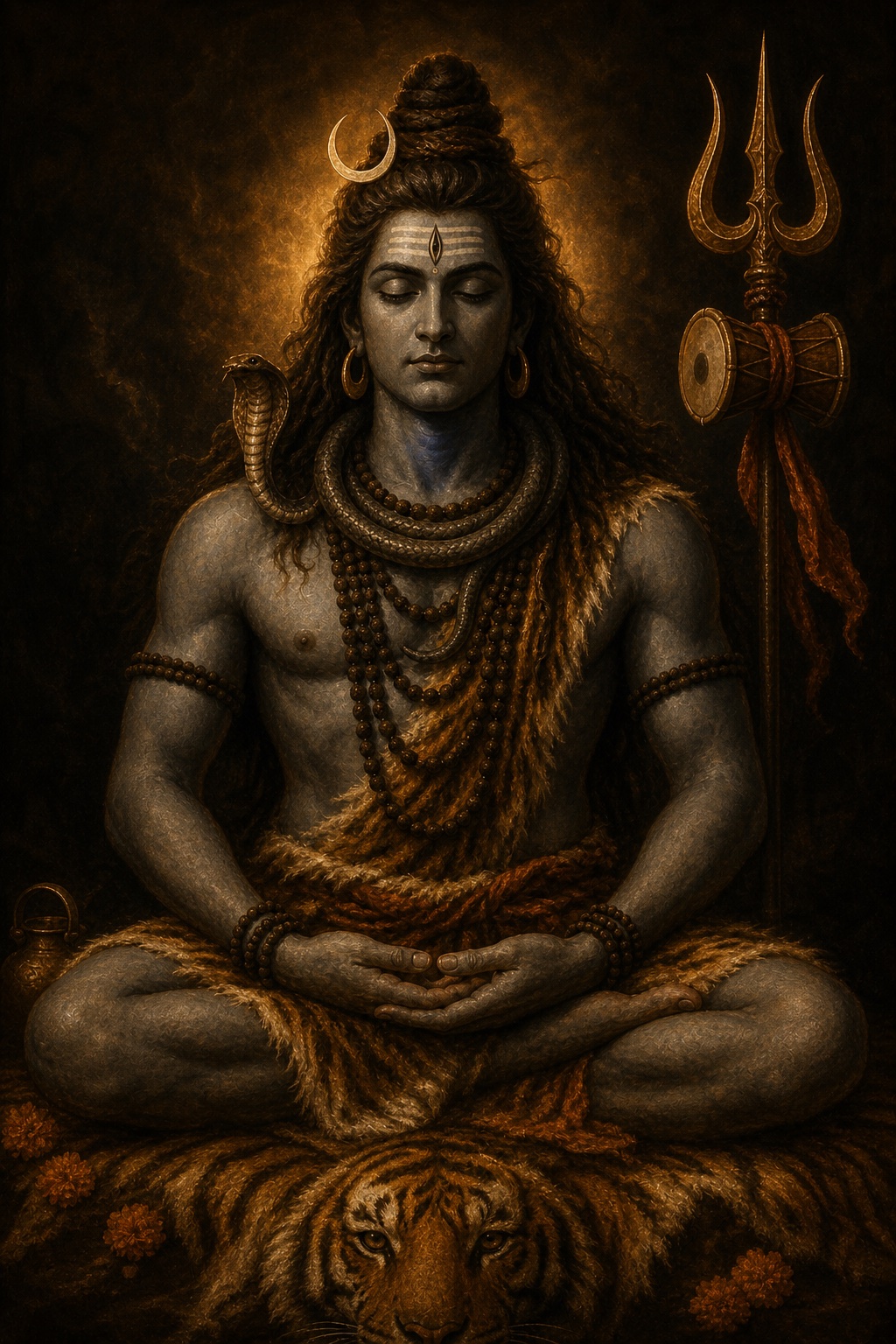 trishula (trident) · crescent moon · third eye
 - 01 Shivagod
death · rebirth · wisdom · fertility
- 02
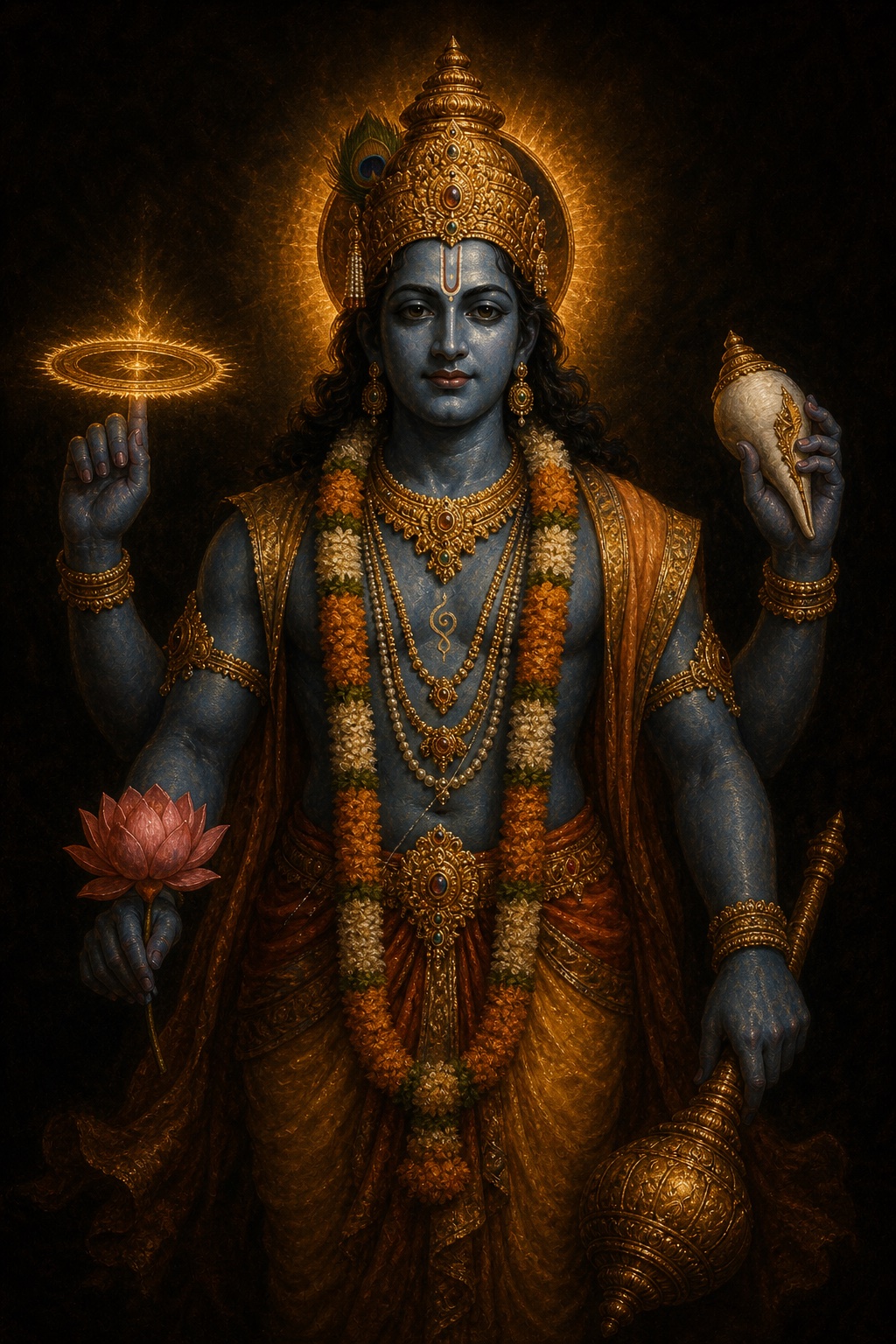 Vishnugod
order · protection · kingship · creation
- 03
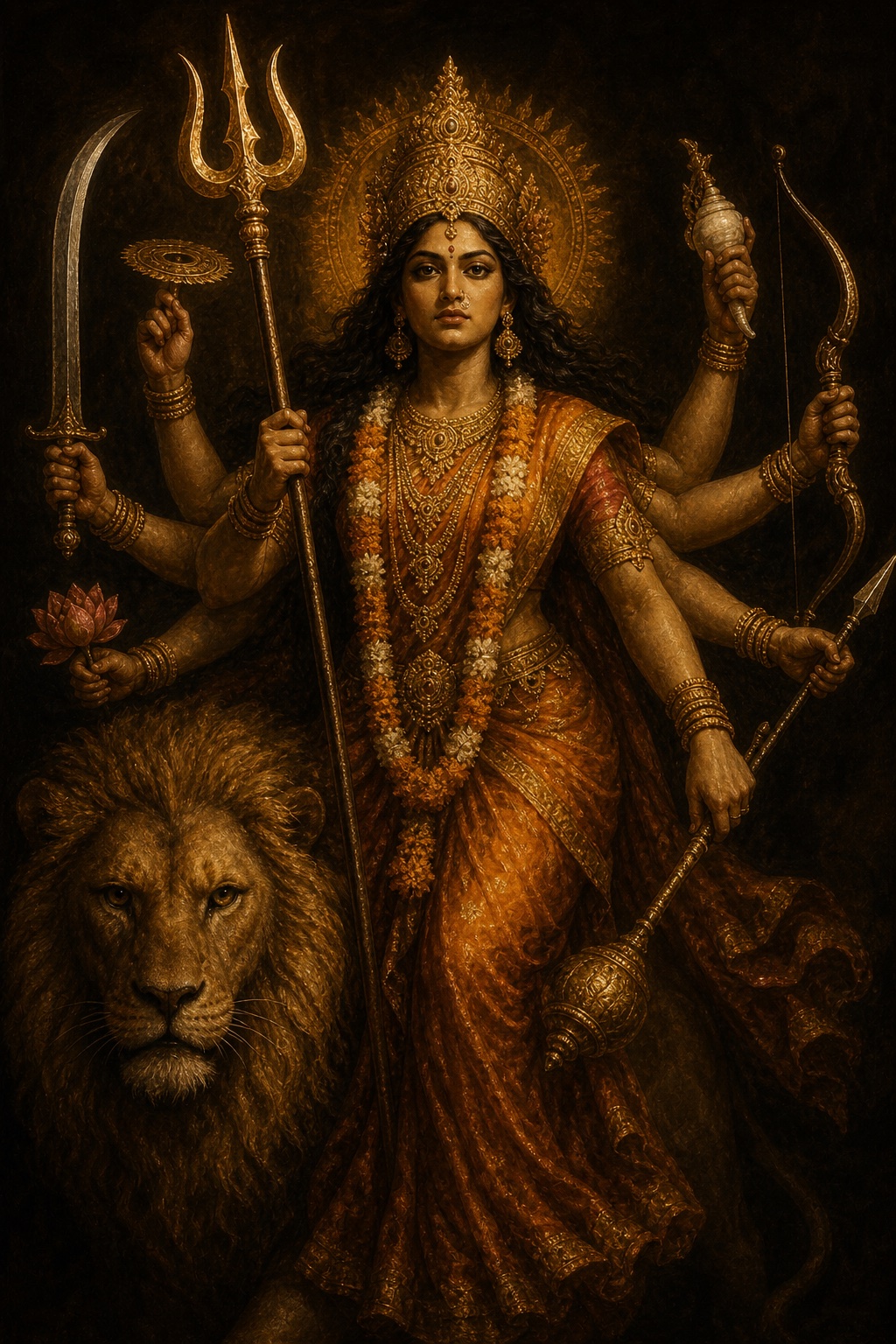 Durgagoddess
war · protection · guardianship · strategy
- 04
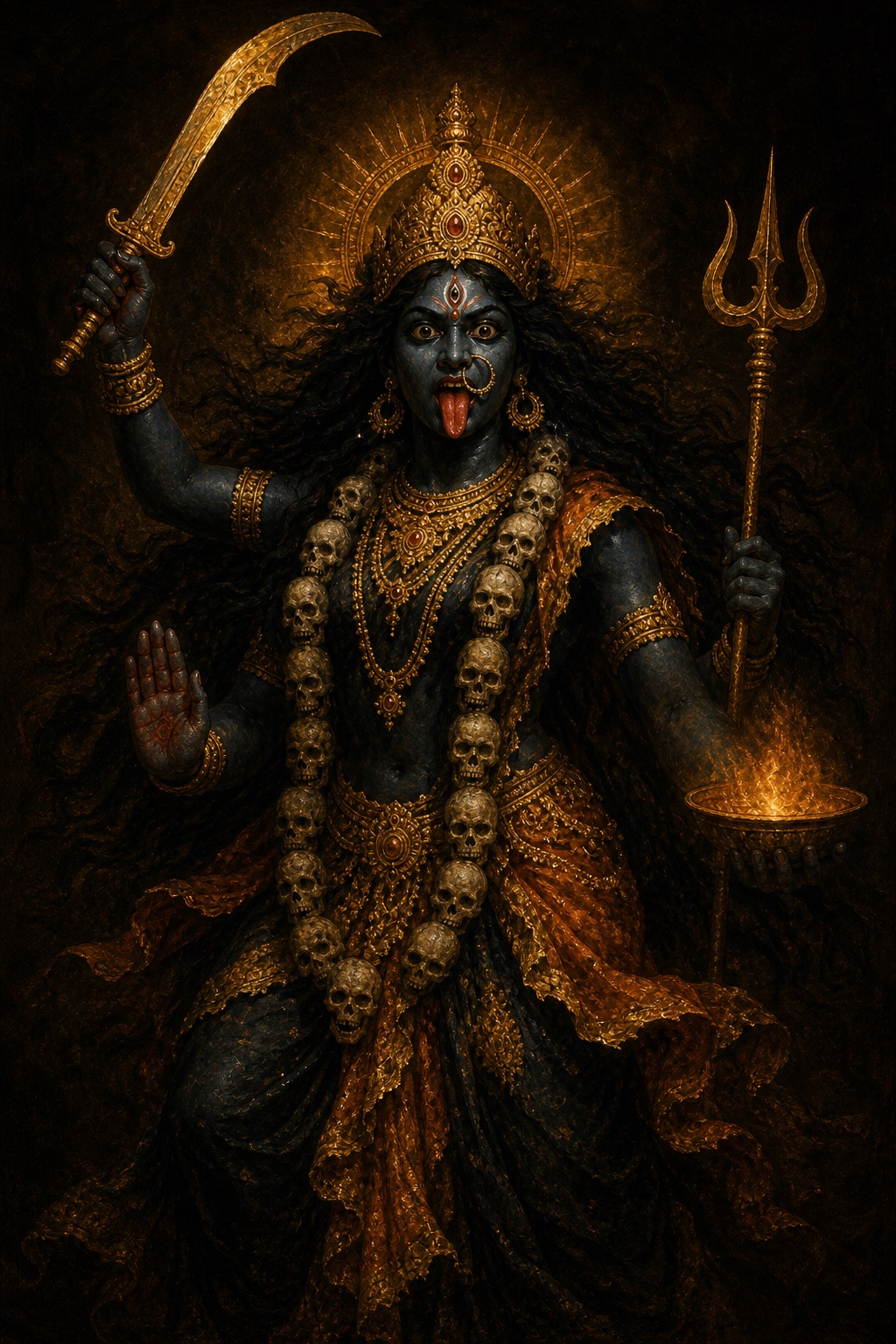 Kaligoddess
death · night · chaos · protection
- 05
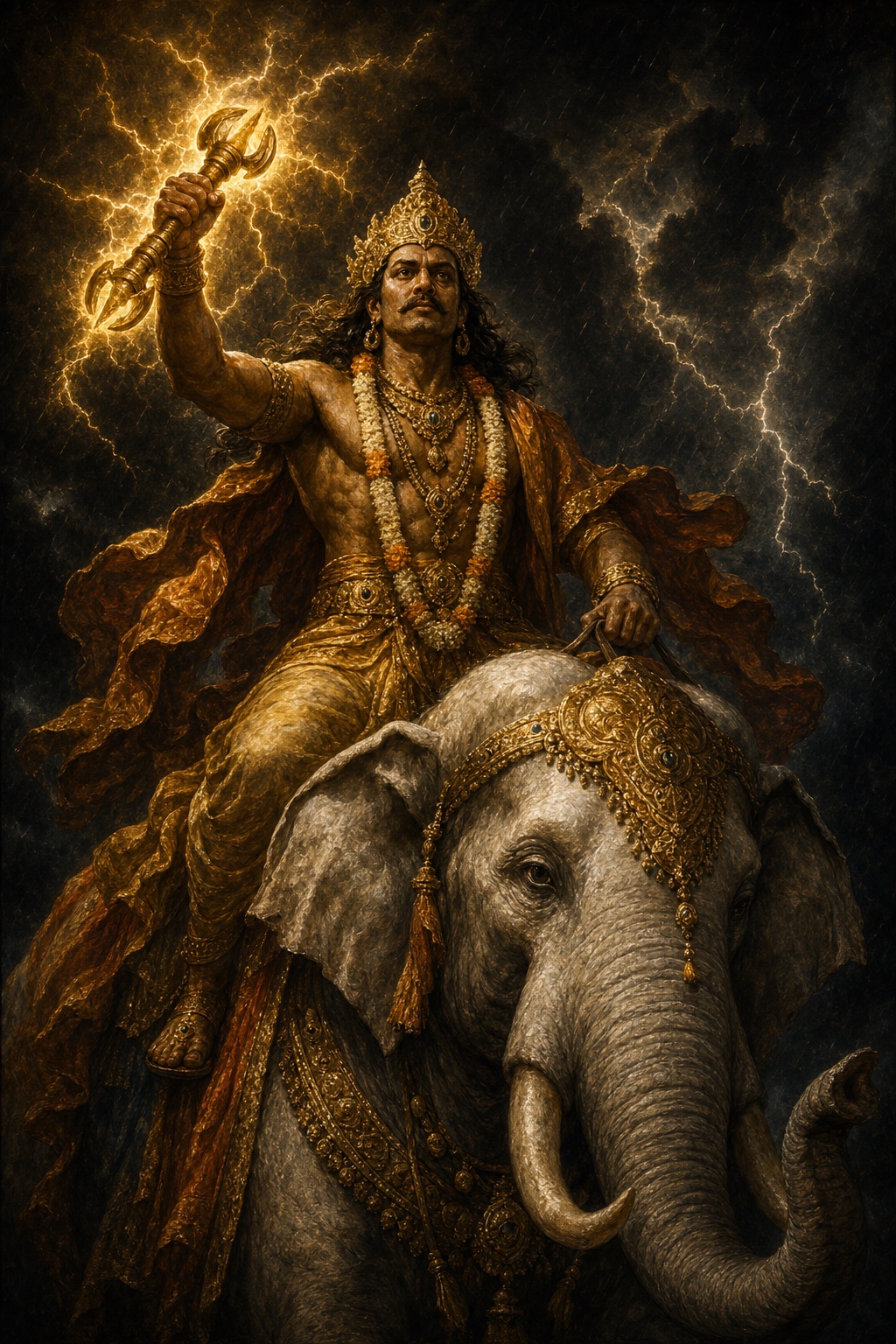 Indragod
thunder · storms · war · kingship
- 06
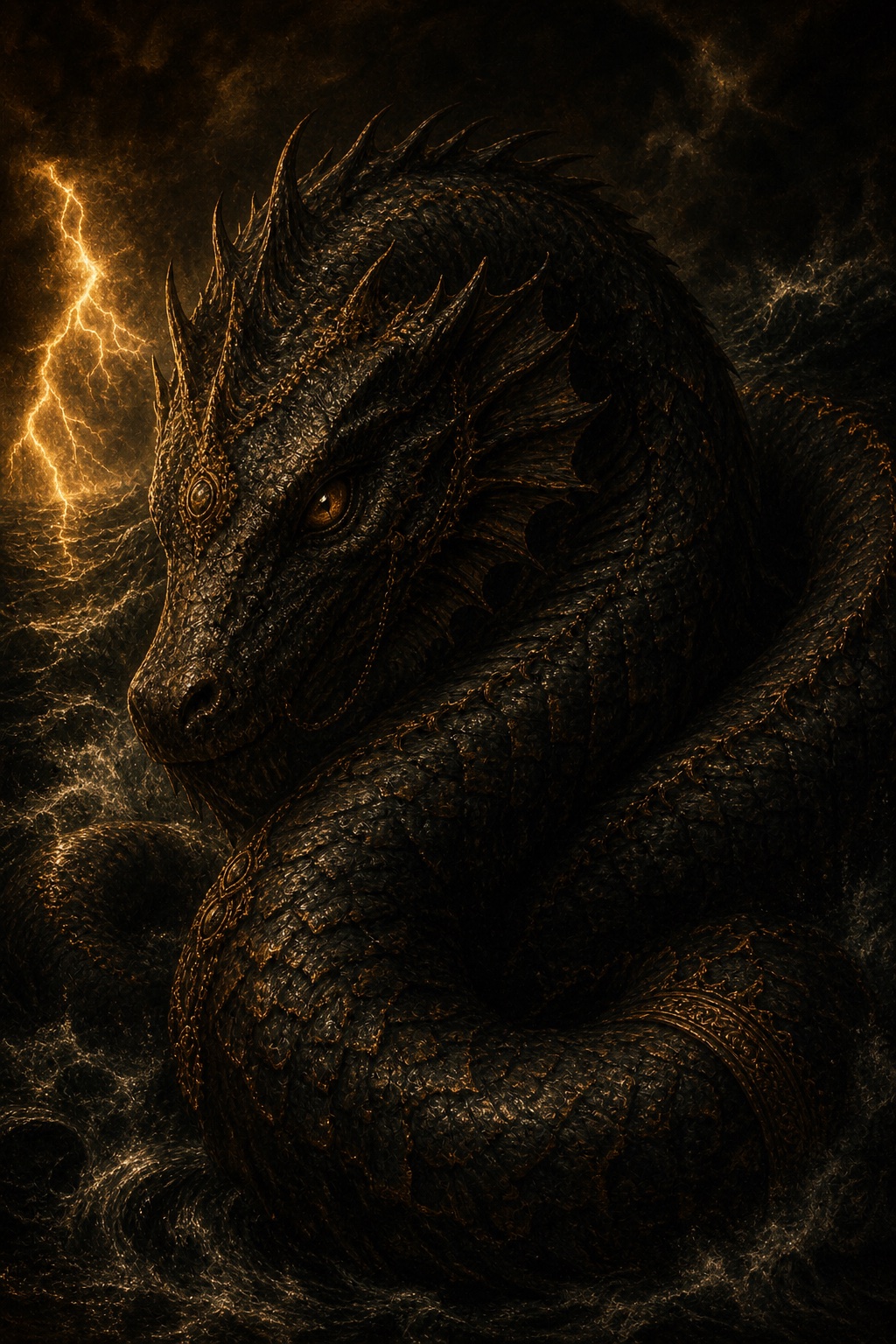 Vritramonster
chaos · monsters · darkness
- 07 +50 see all
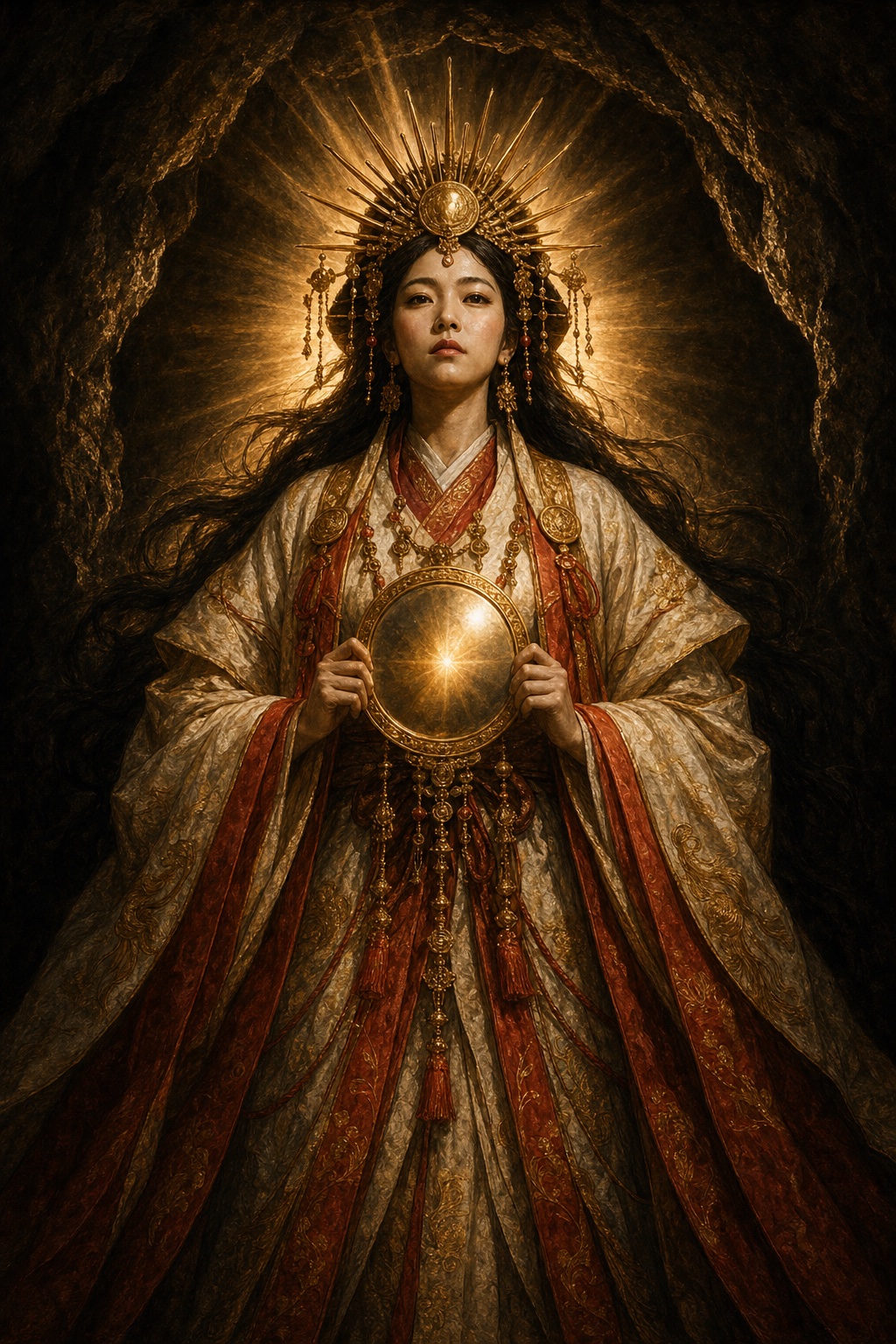
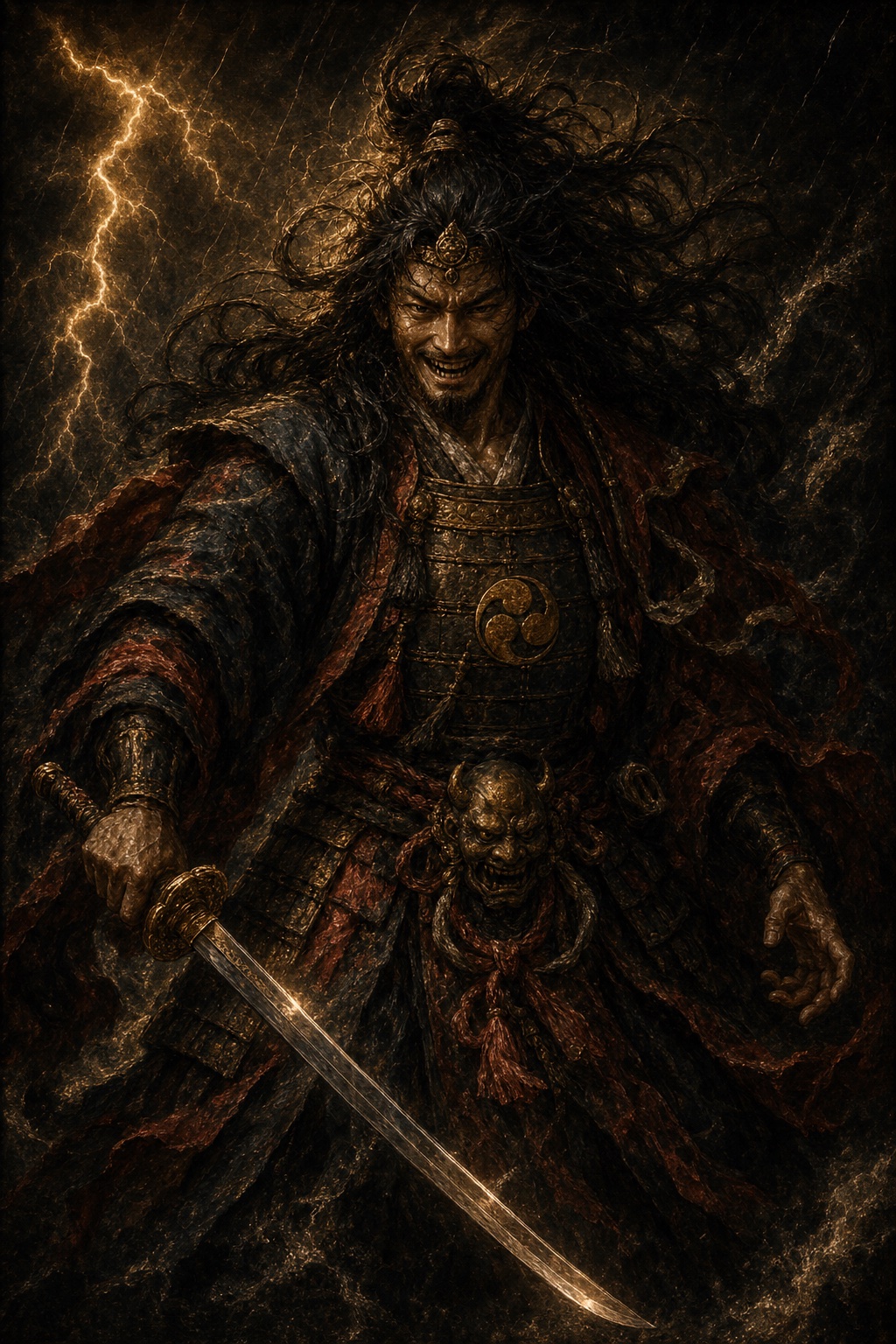
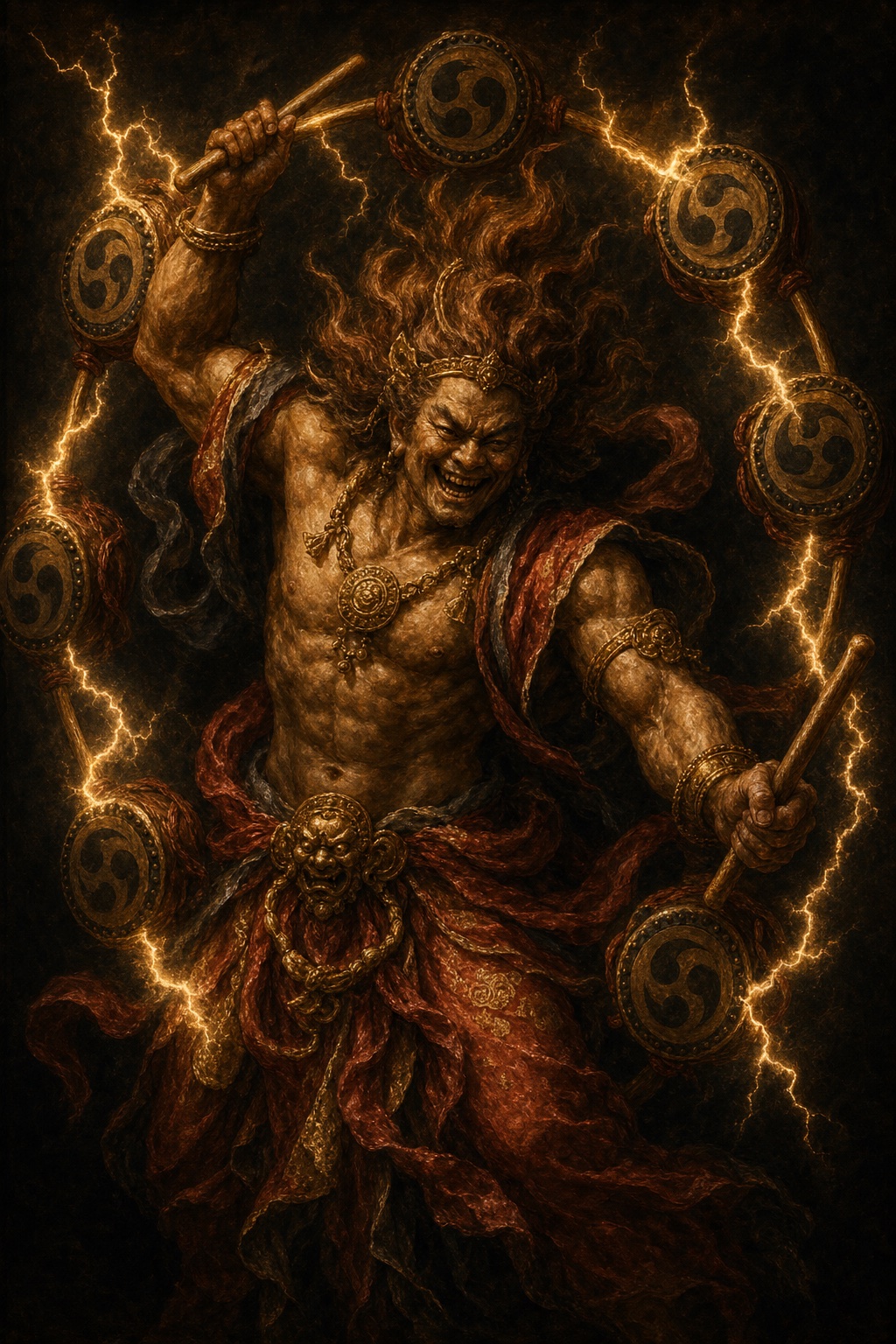
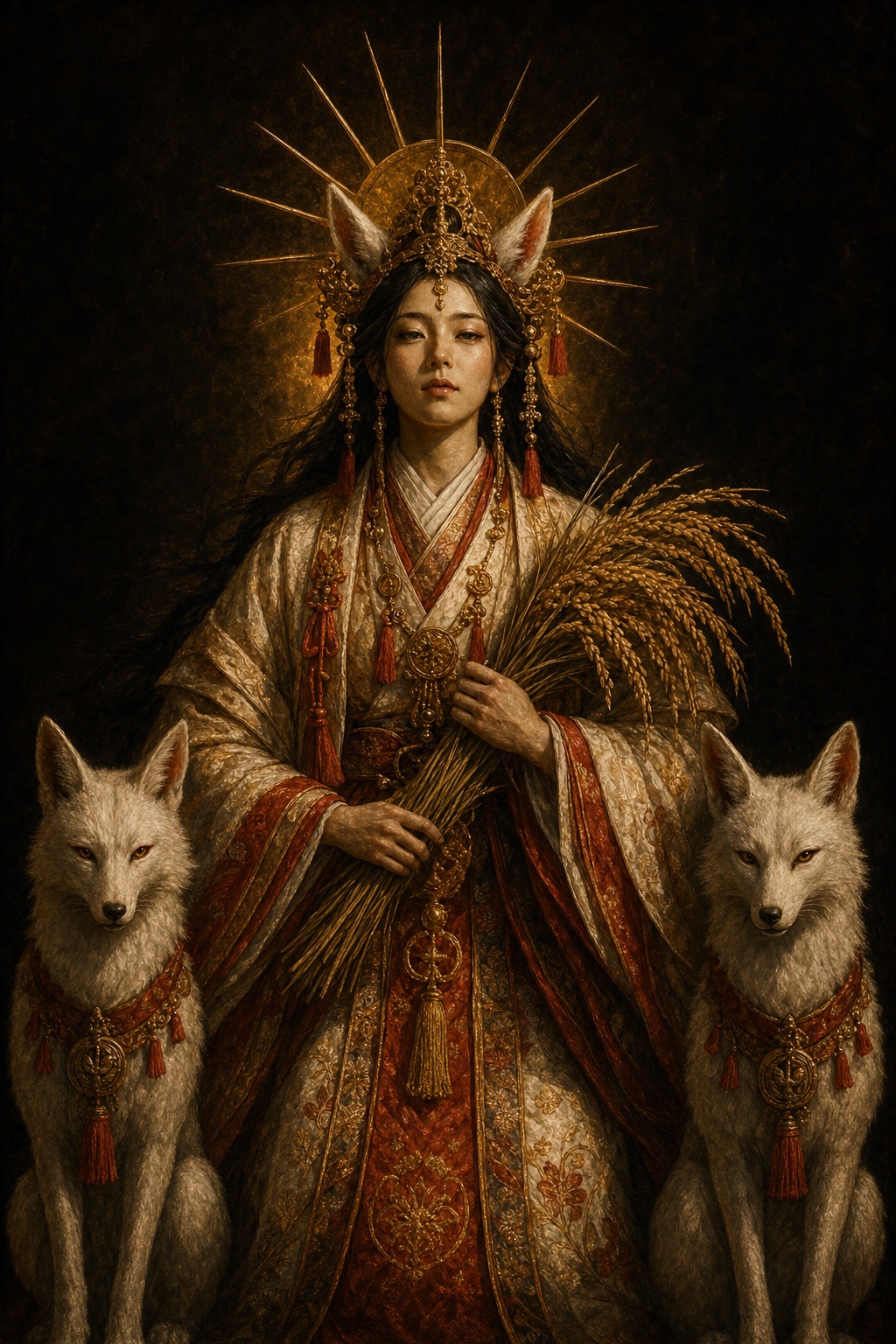
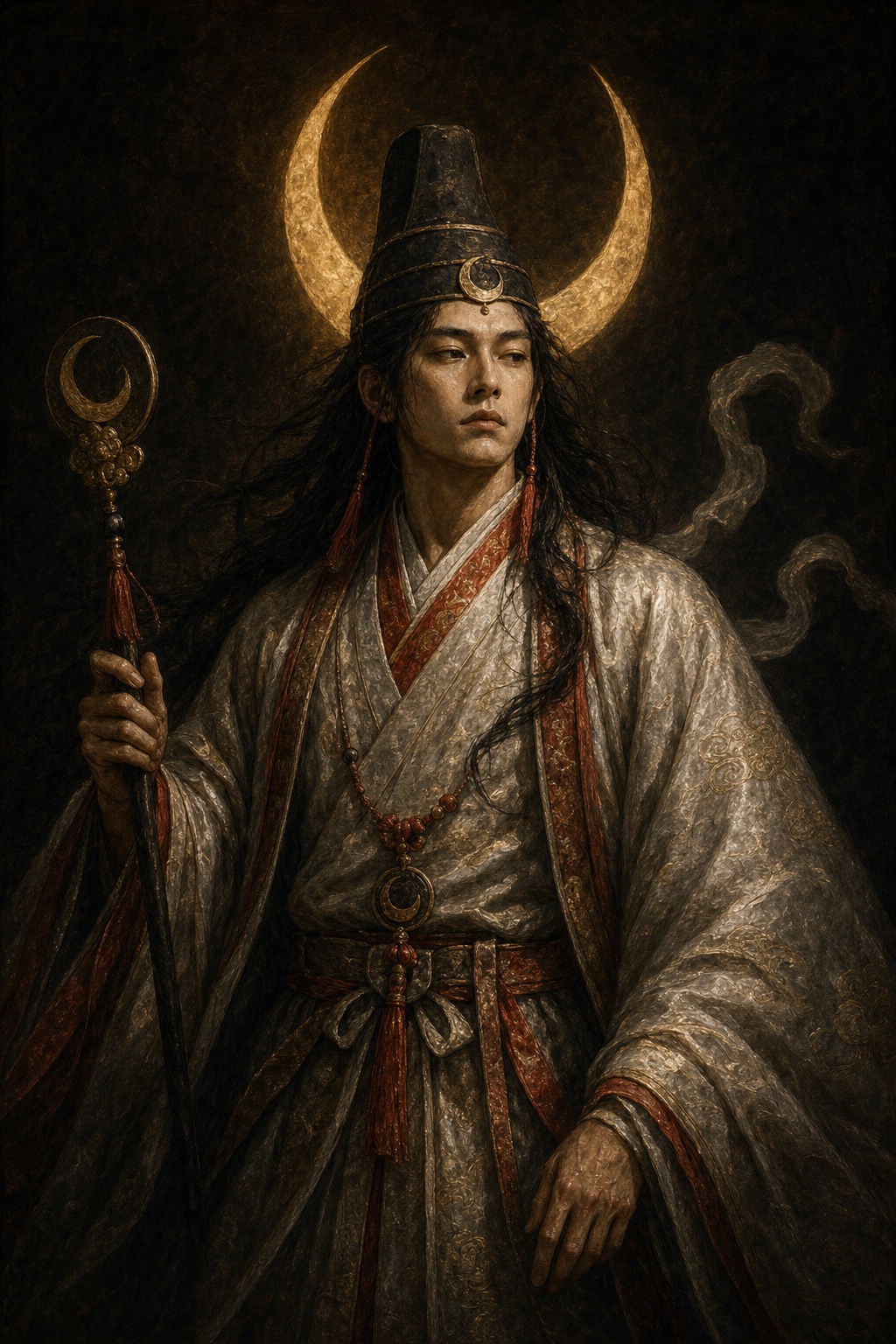
The kami of Shinto — sun and storm, rice and thunder — recorded in the Kojiki and still venerated at shrines across Japan.
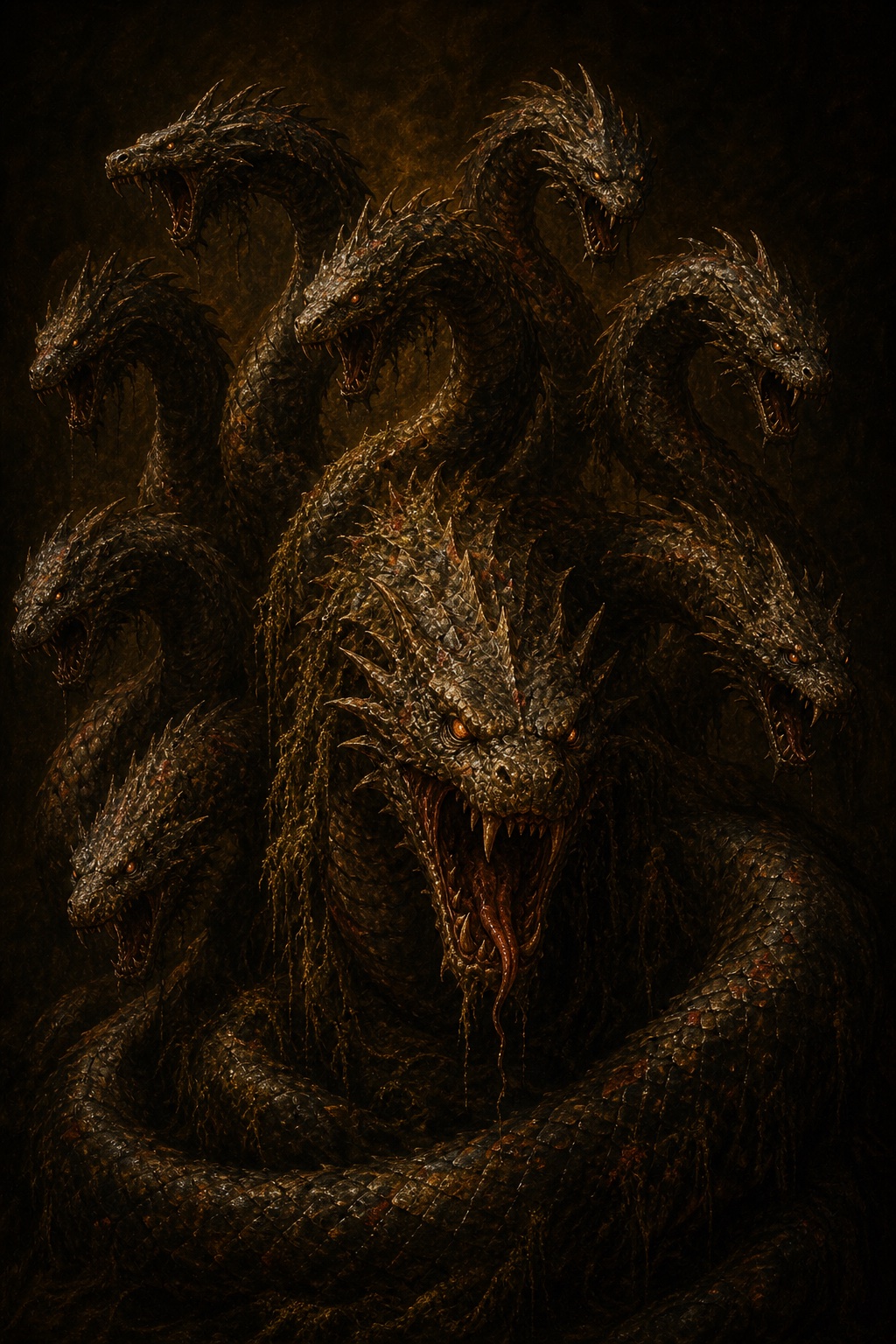
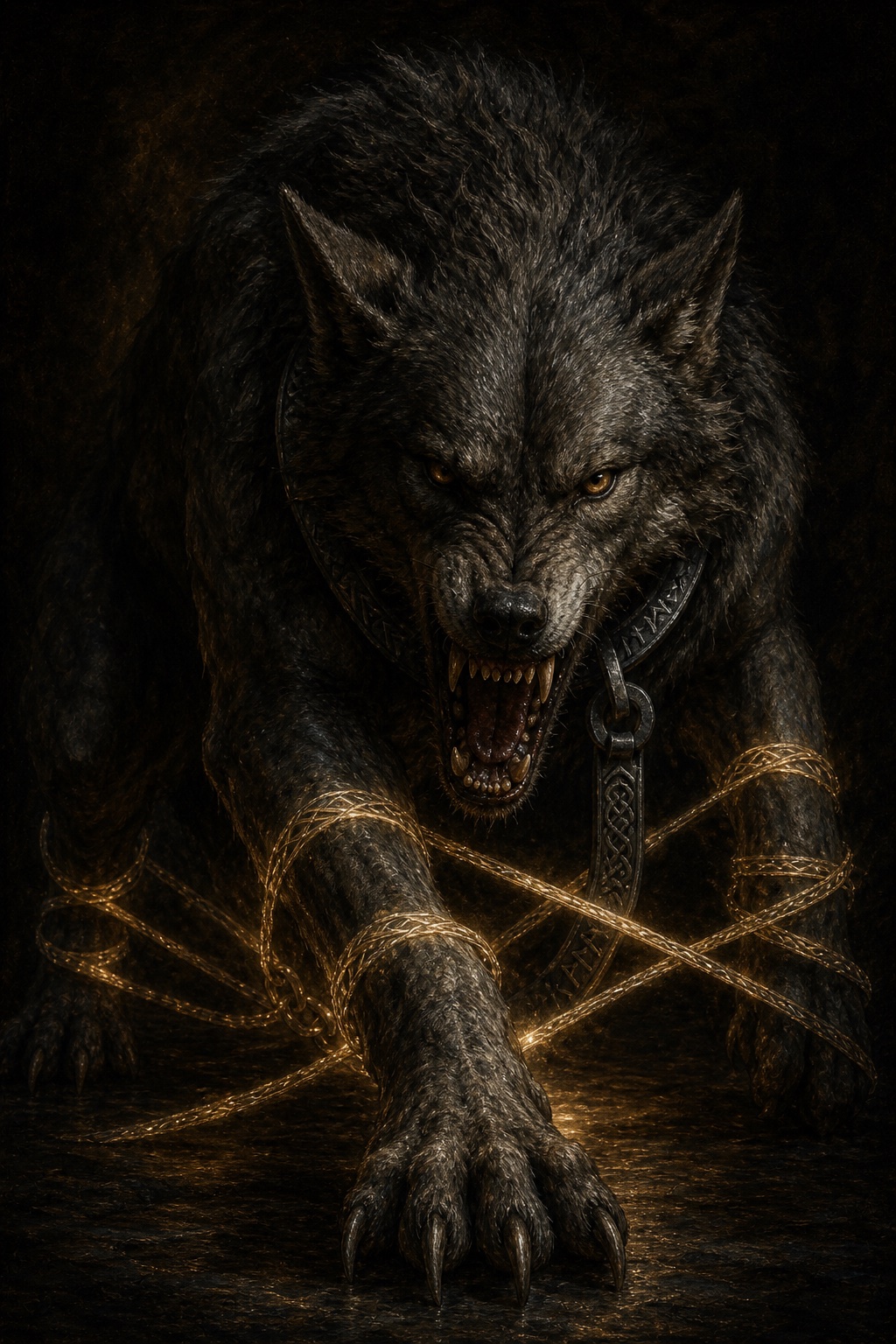
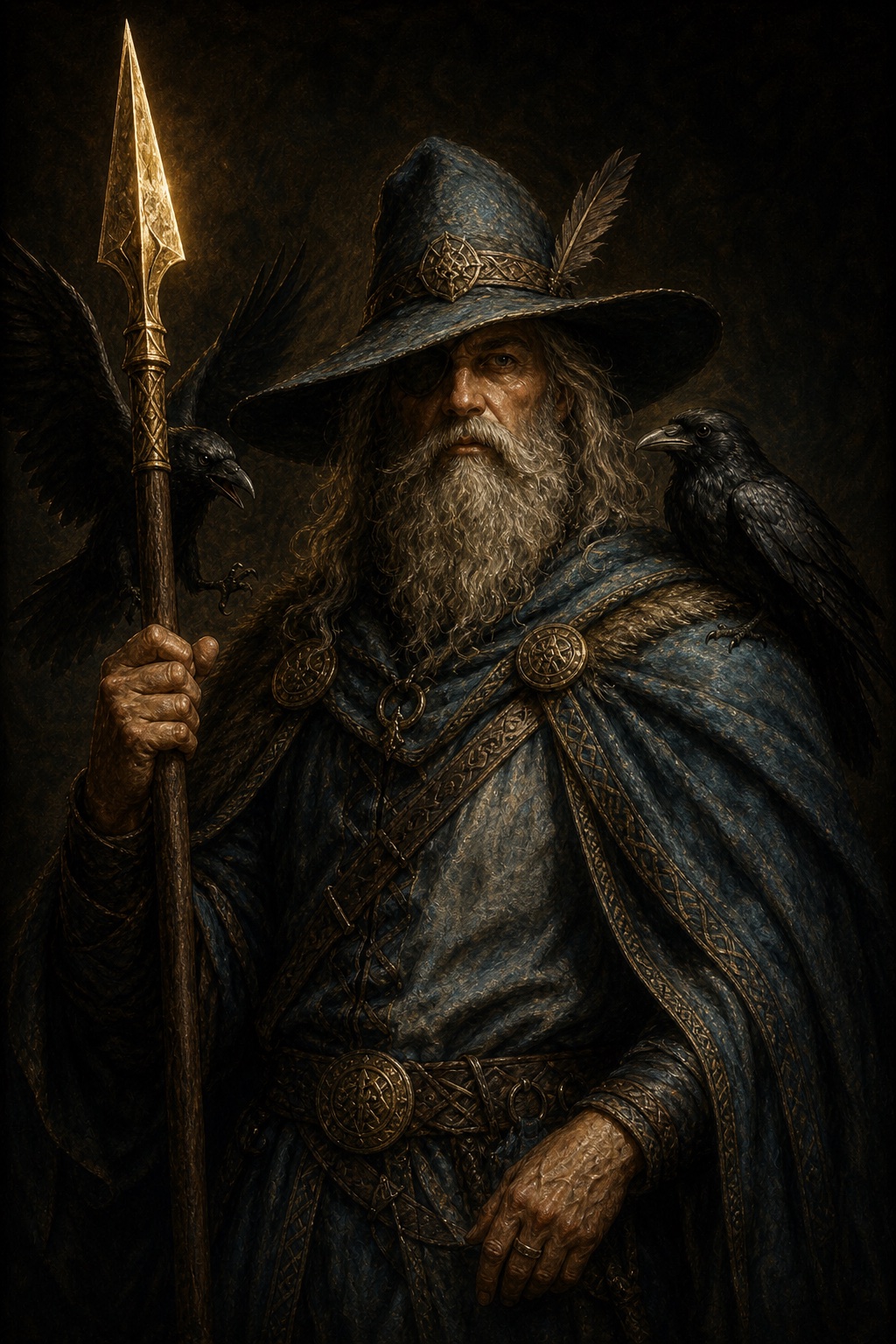
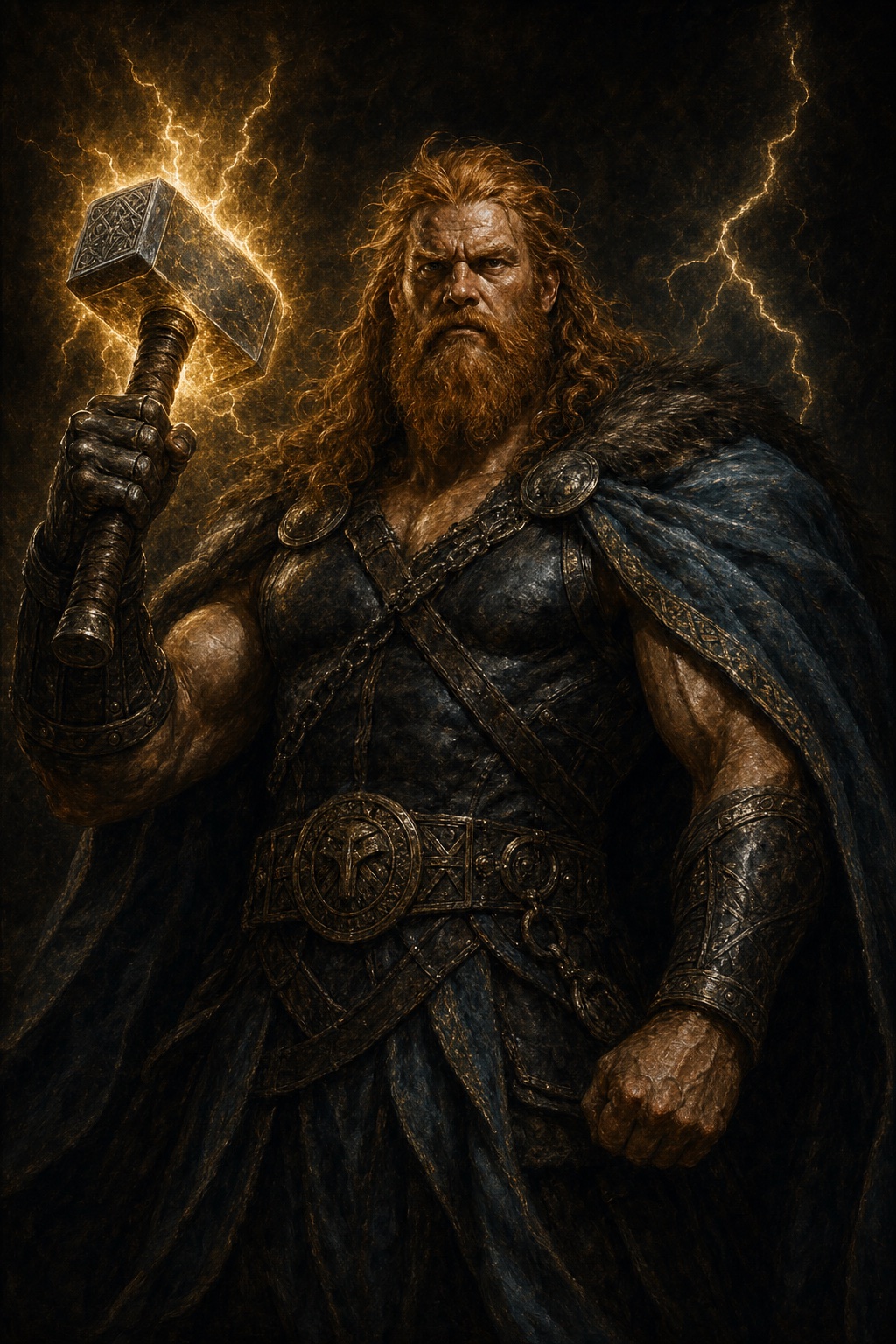
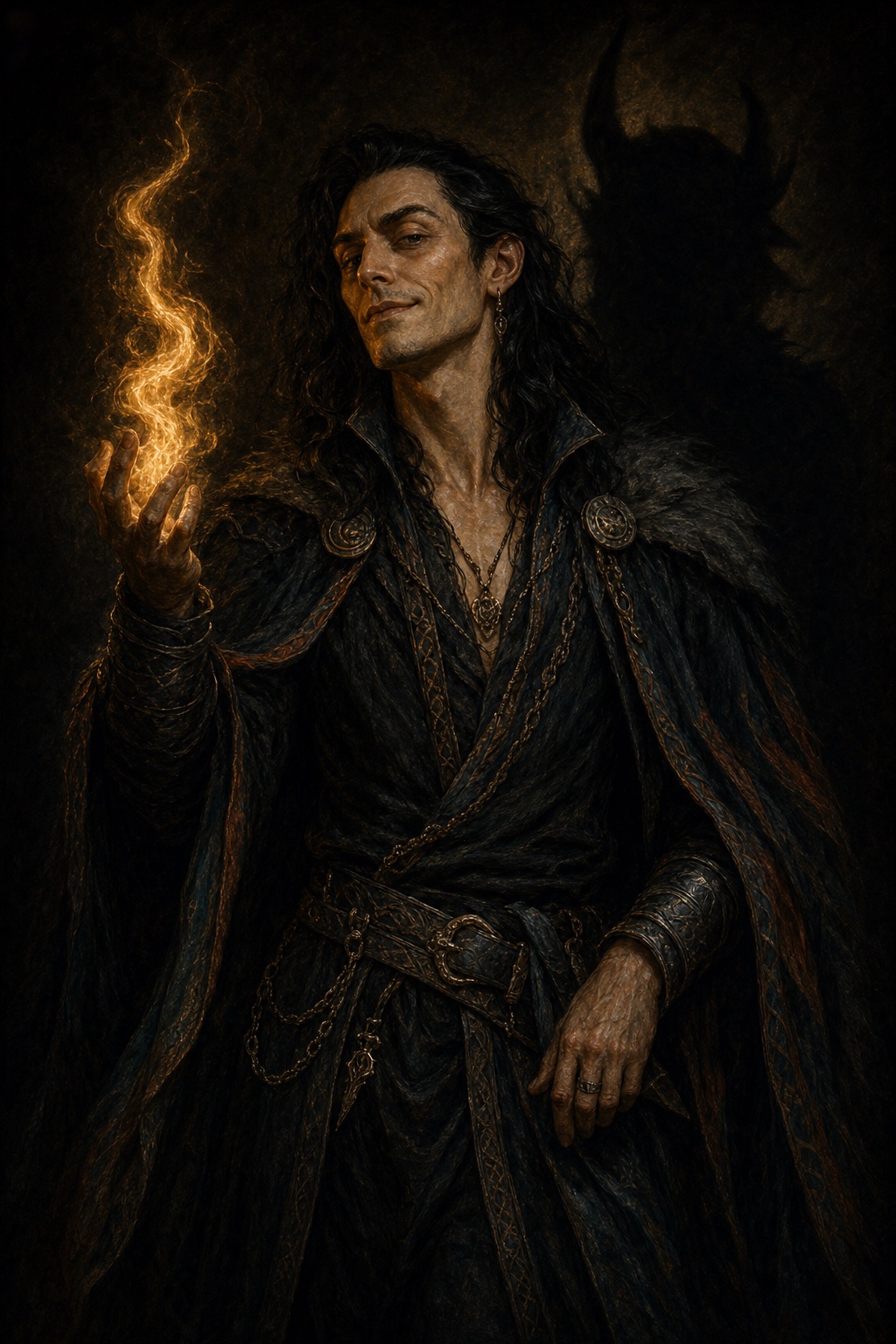
The gods of Asgard and the beings fated to destroy them — a mythology that ends in fire at Ragnarök.
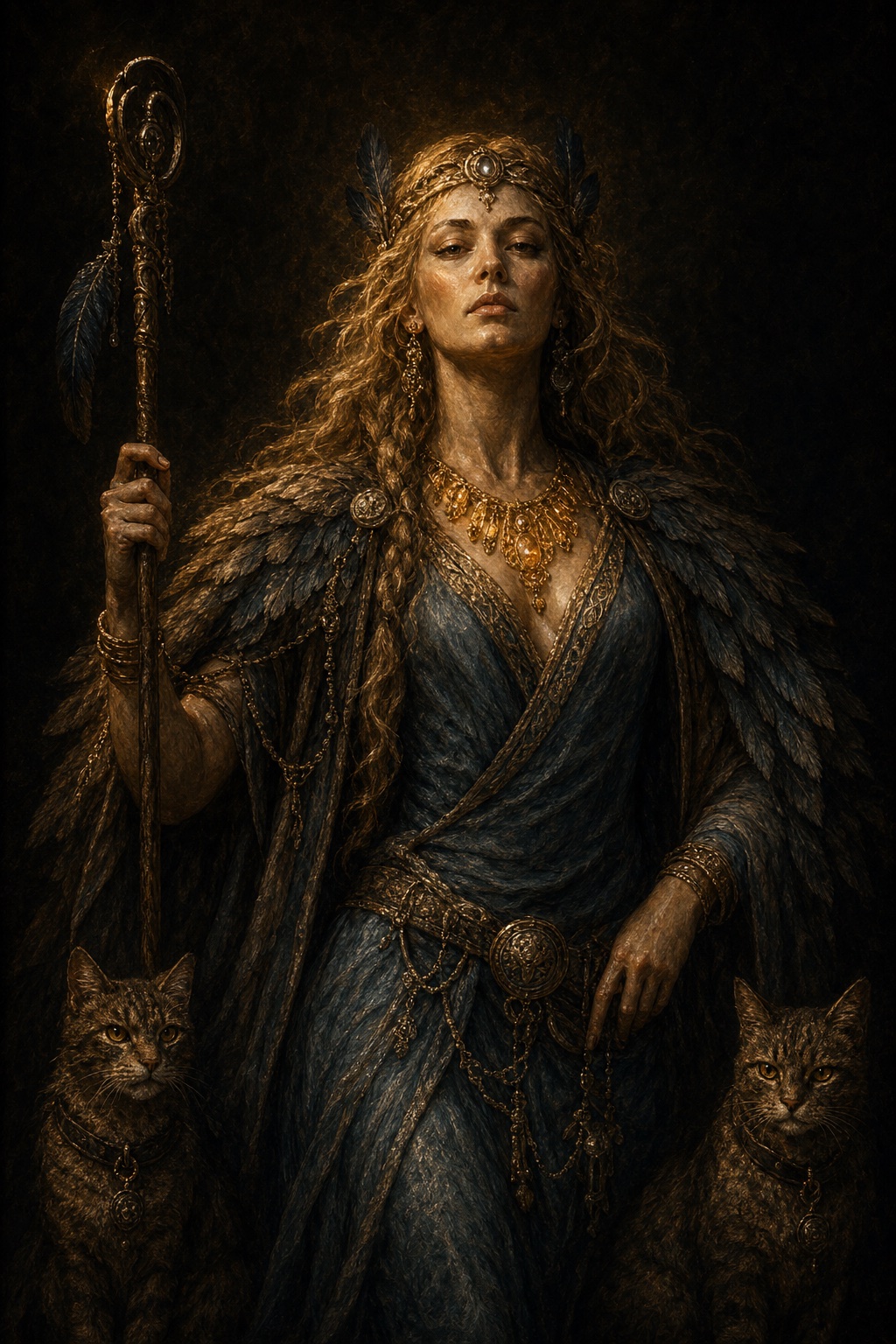
Fated at Ragnarök
- Fenrir devours Odin
- Jörmungandr slain by Thor
- Heimdall sounds the horn
- Hel musters the dead
Read across pantheons
All domains →Every domain page sets its figures side by side — the same god's job, five different answers.