Japanese archipelago · c. 700 AD – present
Japanese mythology
Japanese mythology was first written down in the Kojiki (712 AD) and Nihon Shoki (720 AD), court chronicles that wove older oral tradition into a genealogy running from the creator pair Izanagi and Izanami to the sun goddess Amaterasu and, through her, to the imperial line. Unlike the dead pantheons of Greece and Egypt, this is a living tradition: the kami described here are venerated today, from the great shrine of Ise to the thousands of vermilion-gated Inari shrines.
- Region
- Japanese archipelago
- Era
- c. 700 AD – present
- Language
- Old Japanese
- Chief deity
- Amaterasu
- Figures
- 49 entries · 24 gods · 12 goddesses · 4 primordials · 4 heroes · 5 monsters
- Sources
- Kojiki · Nihon Shoki · Engishiki
The bright plain and the dark land
Gods & goddesses
44 entries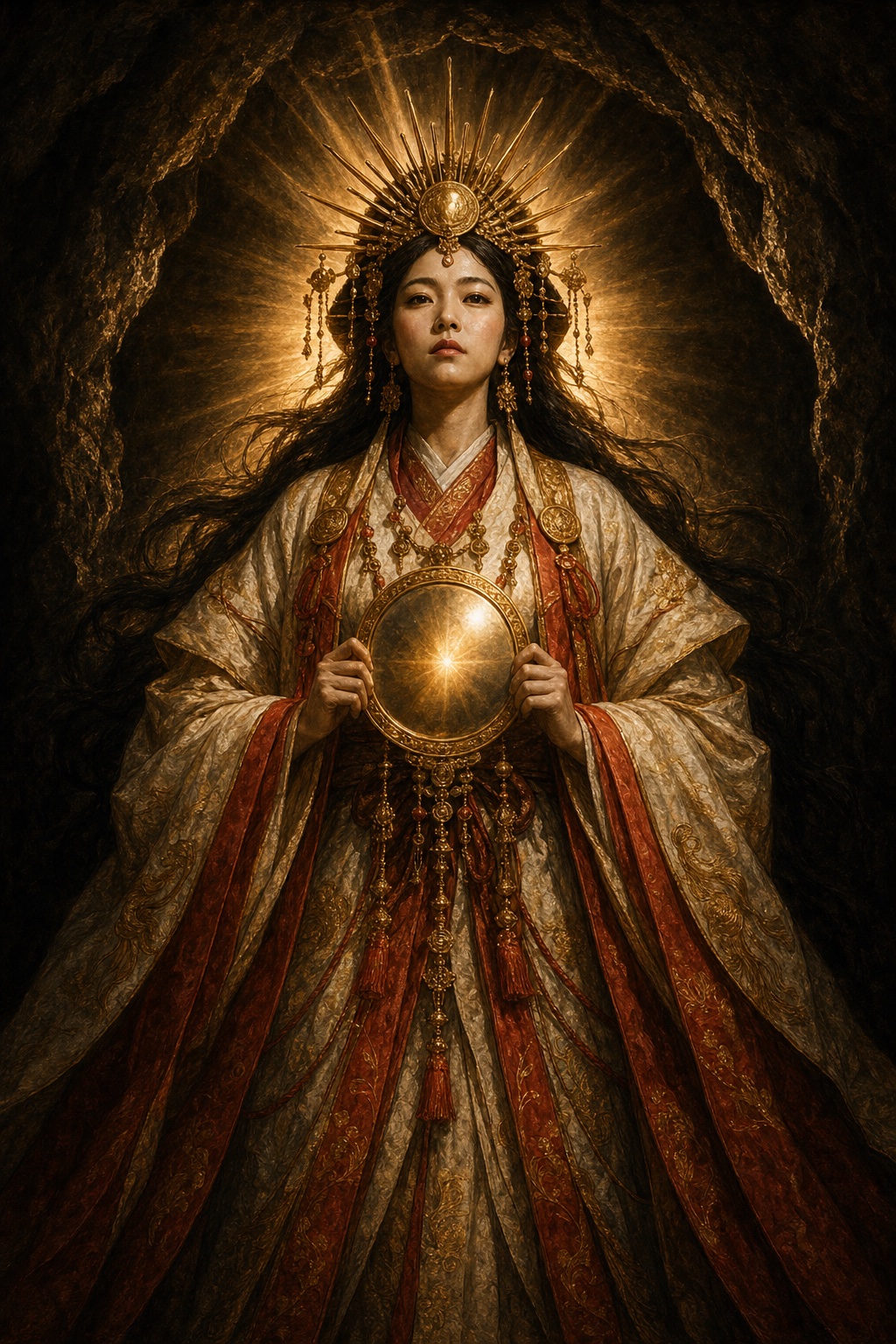
Amaterasu
The sun goddess who hid in a cave and left the world dark — ancestor of the imperial line.
sun · sky · kingship · order
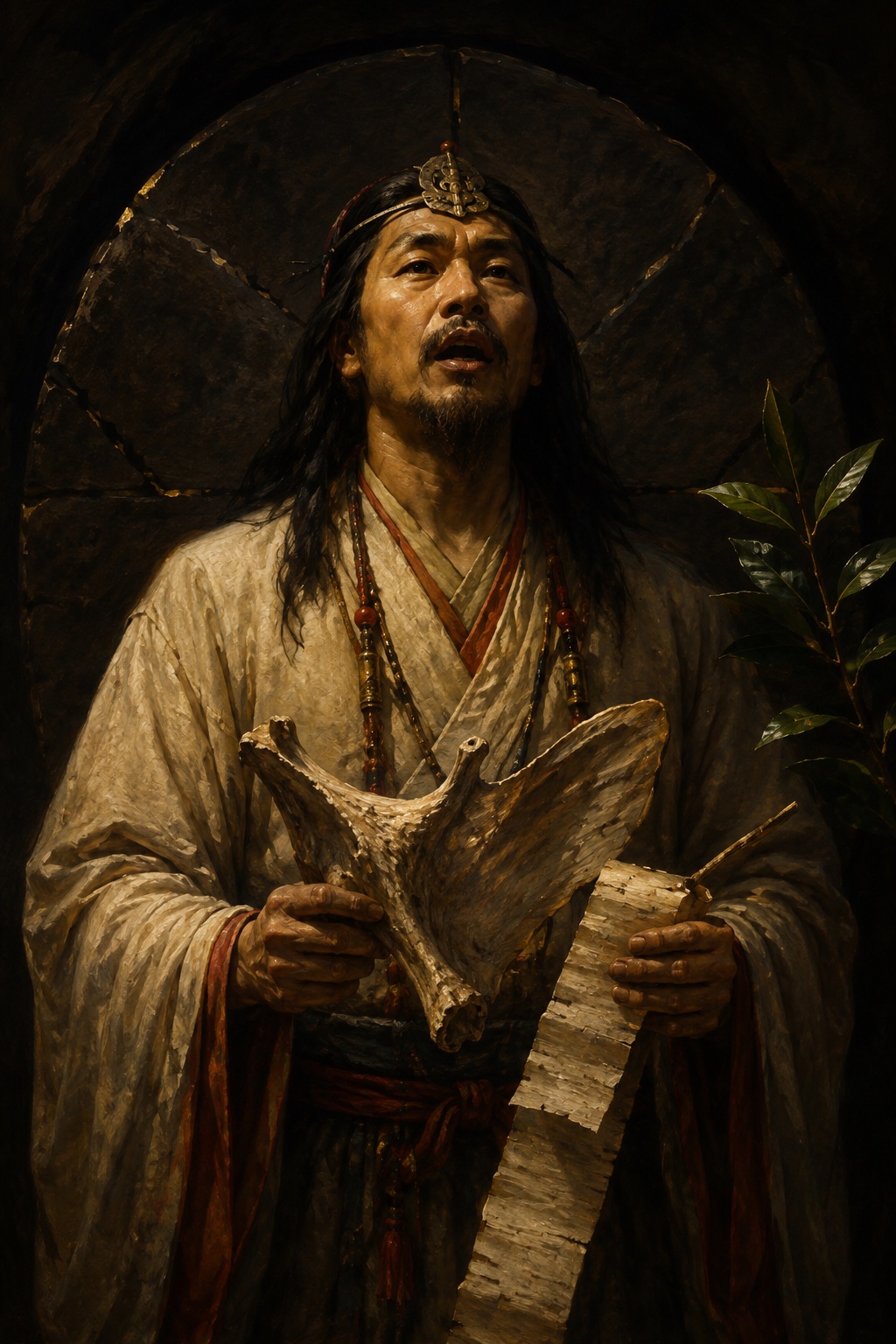
Ame-no-Koyane
fate · magic · order
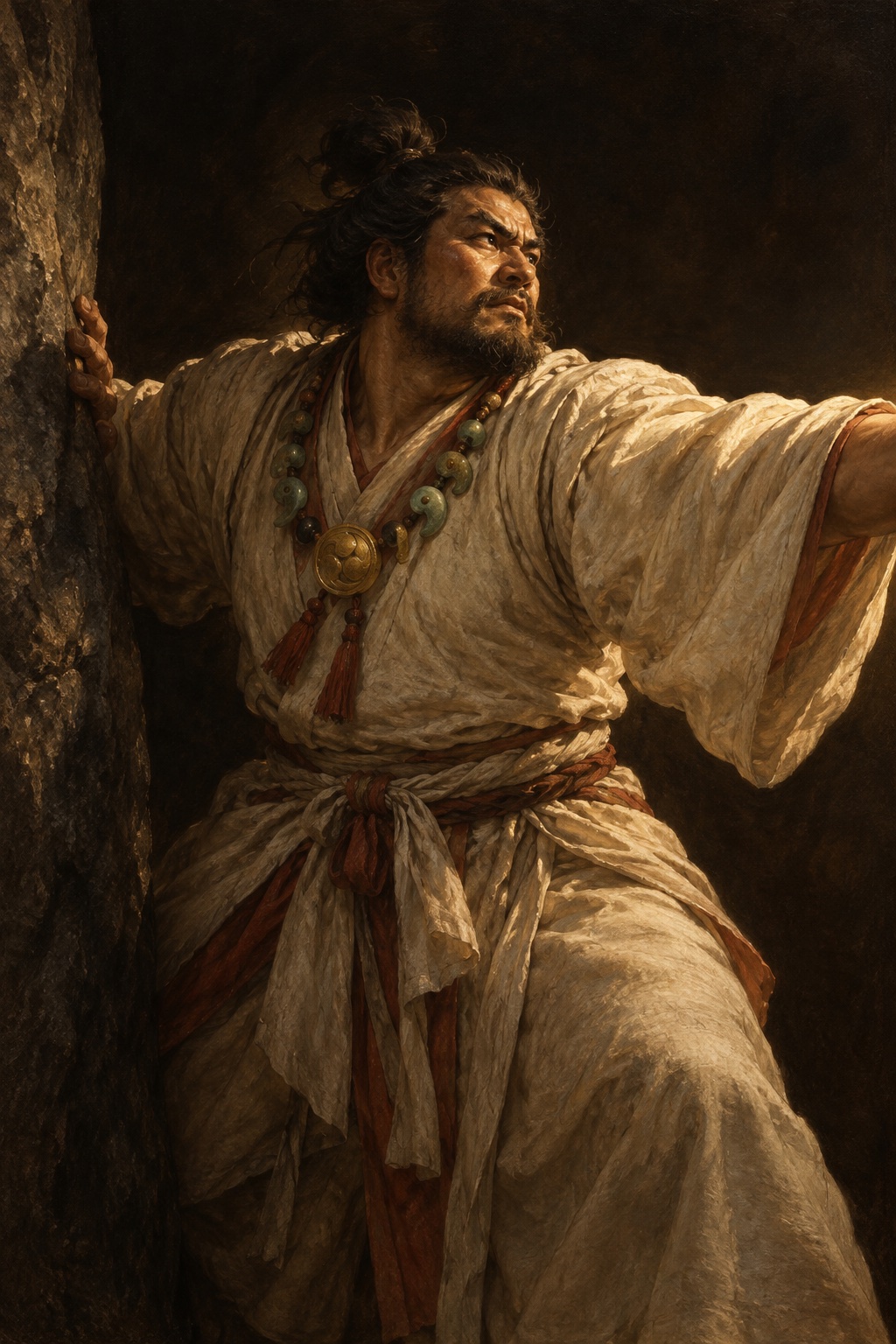
Ame-no-Tajikarao
guardianship · protection
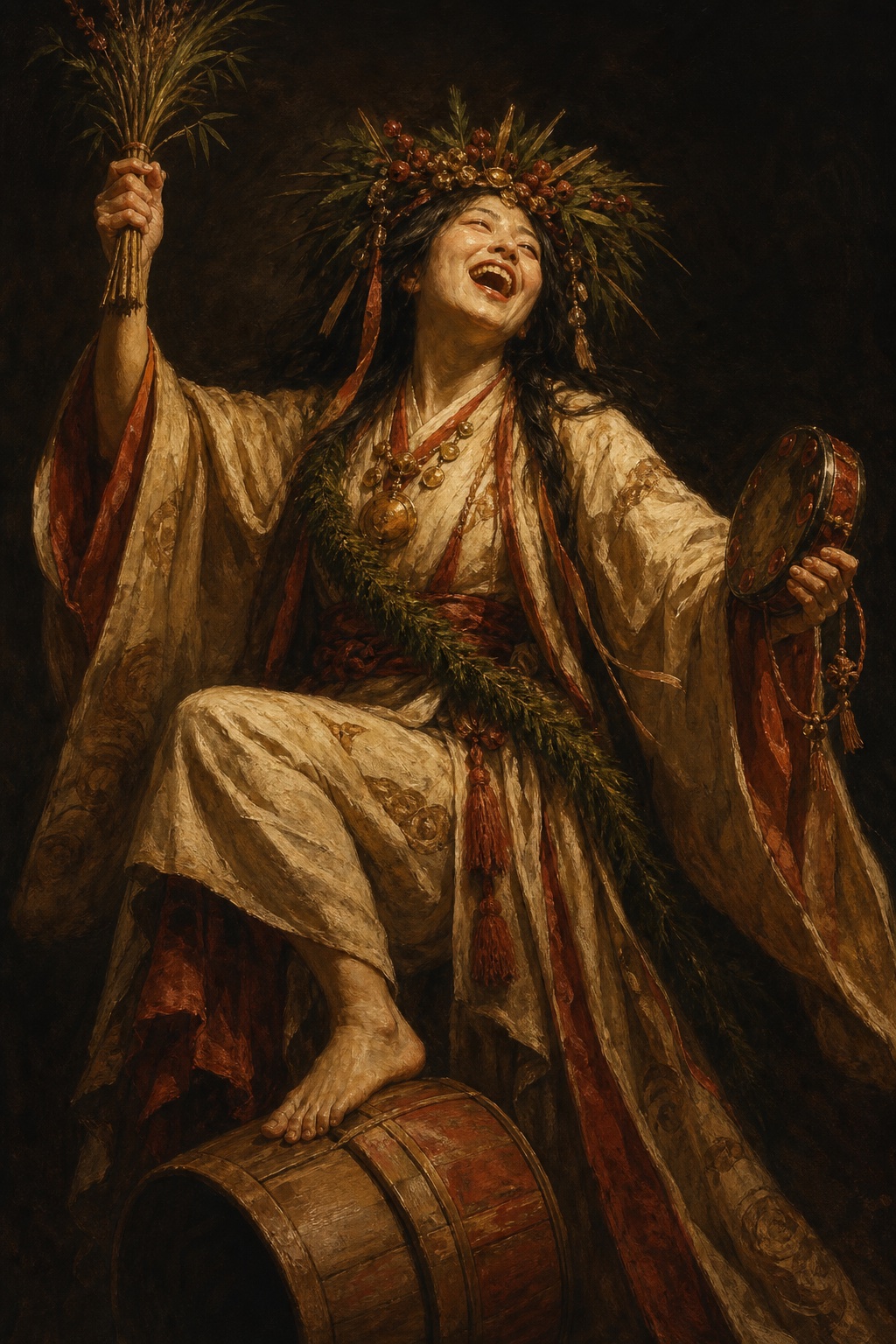
Ame-no-Uzume
fertility · trickery · protection
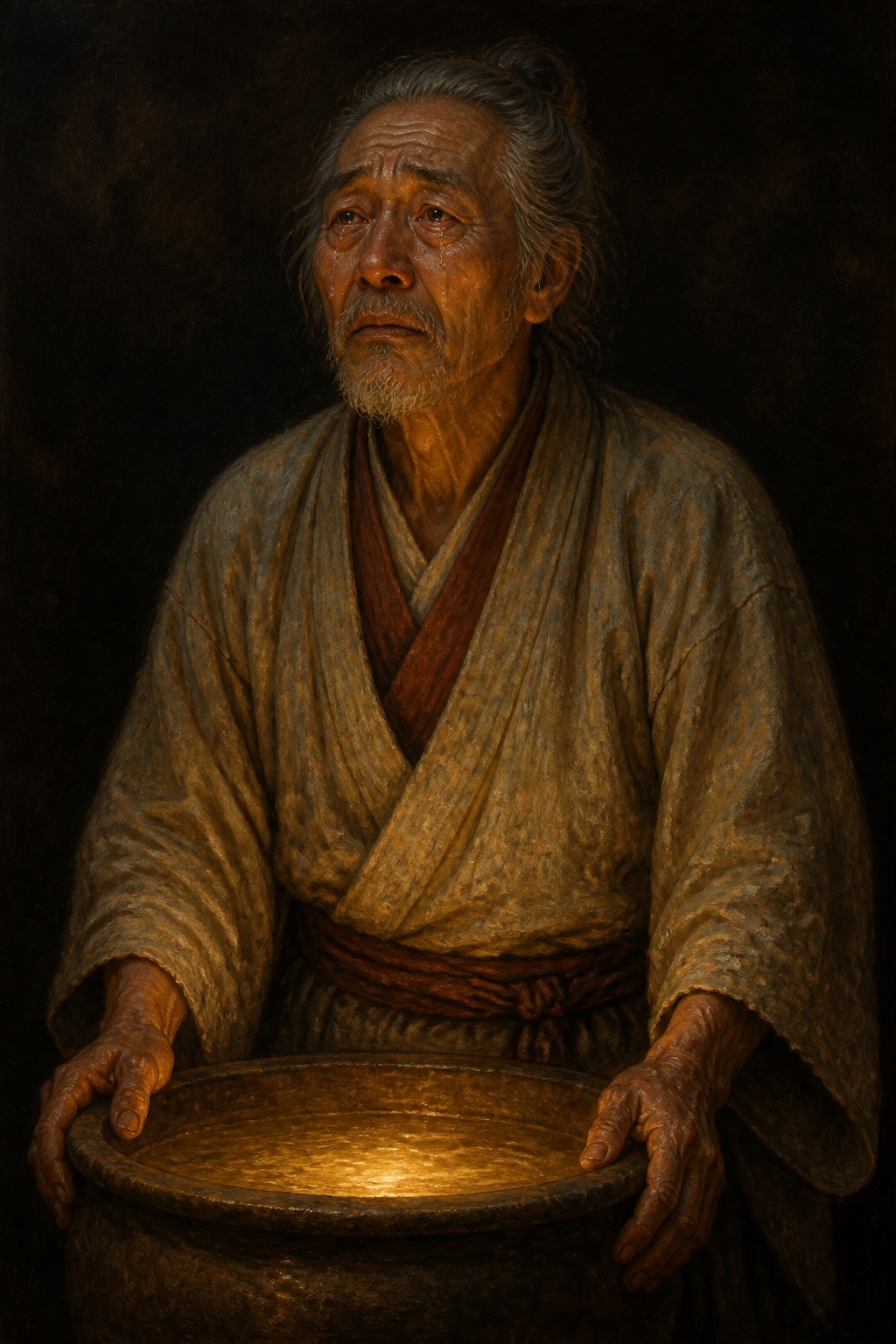
Ashinazuchi
agriculture
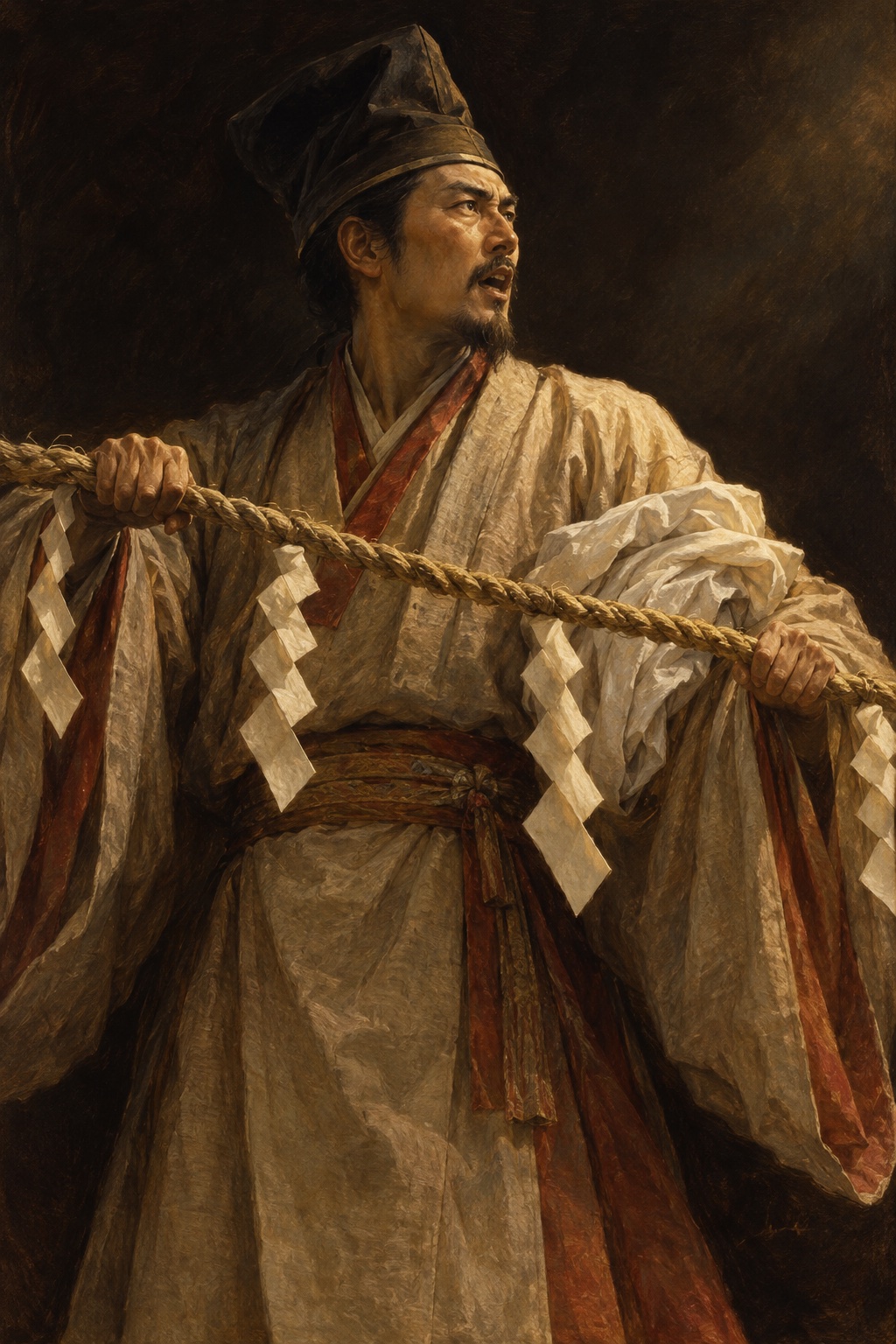
Futotama
fate · magic · order
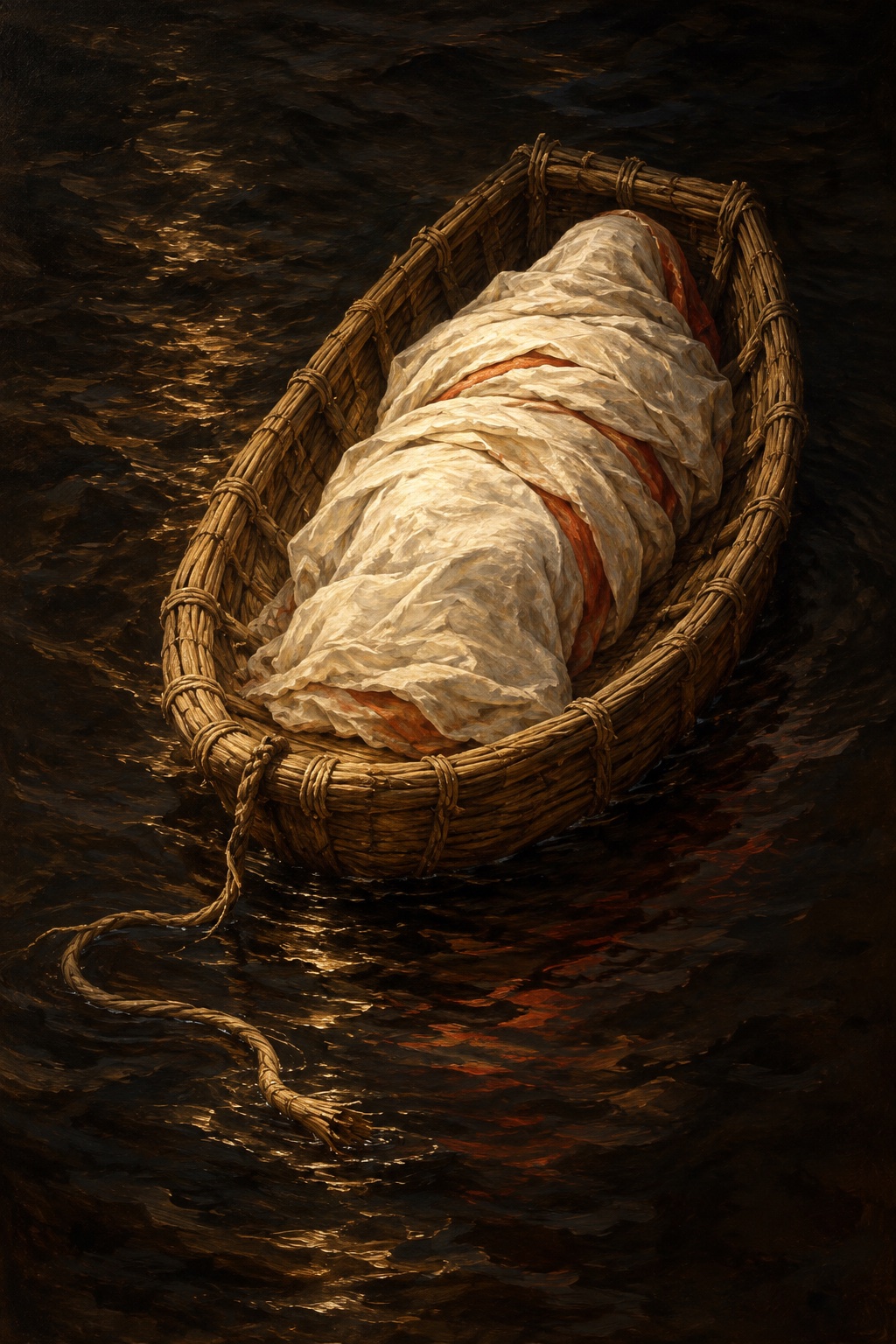
Hiruko
sea · fate
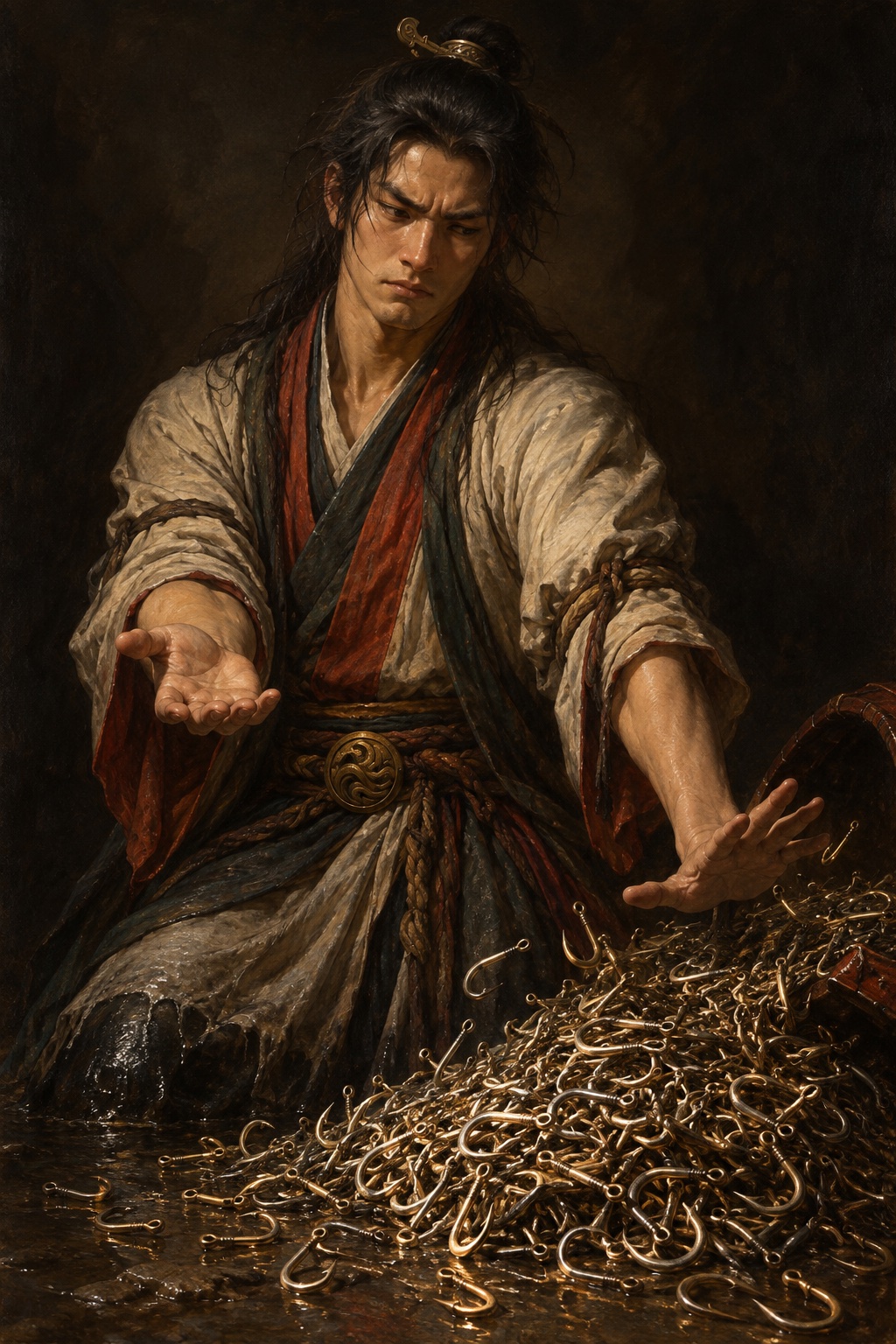
Hoderi
sea · fire · guardianship
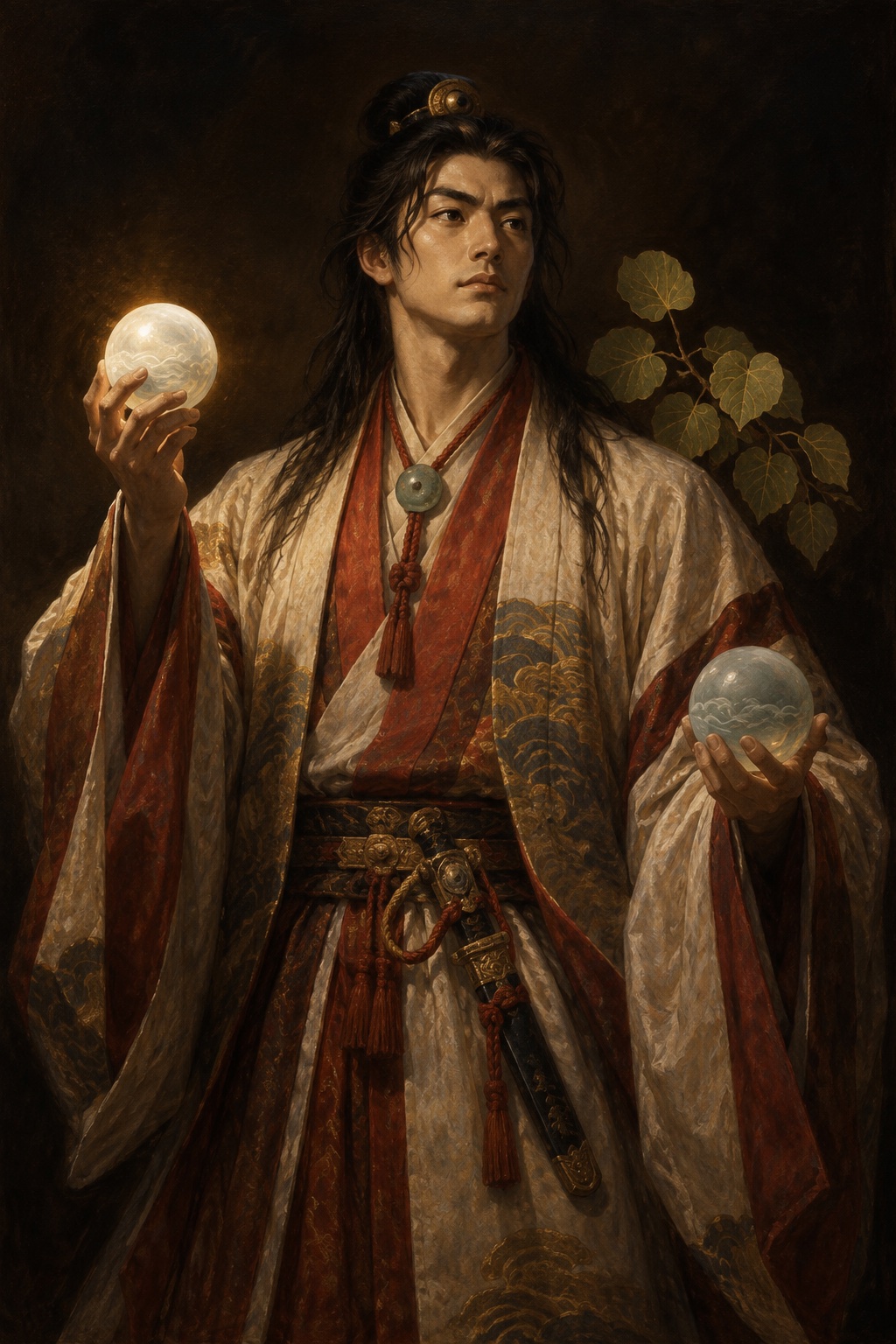
Hoori
sea · kingship
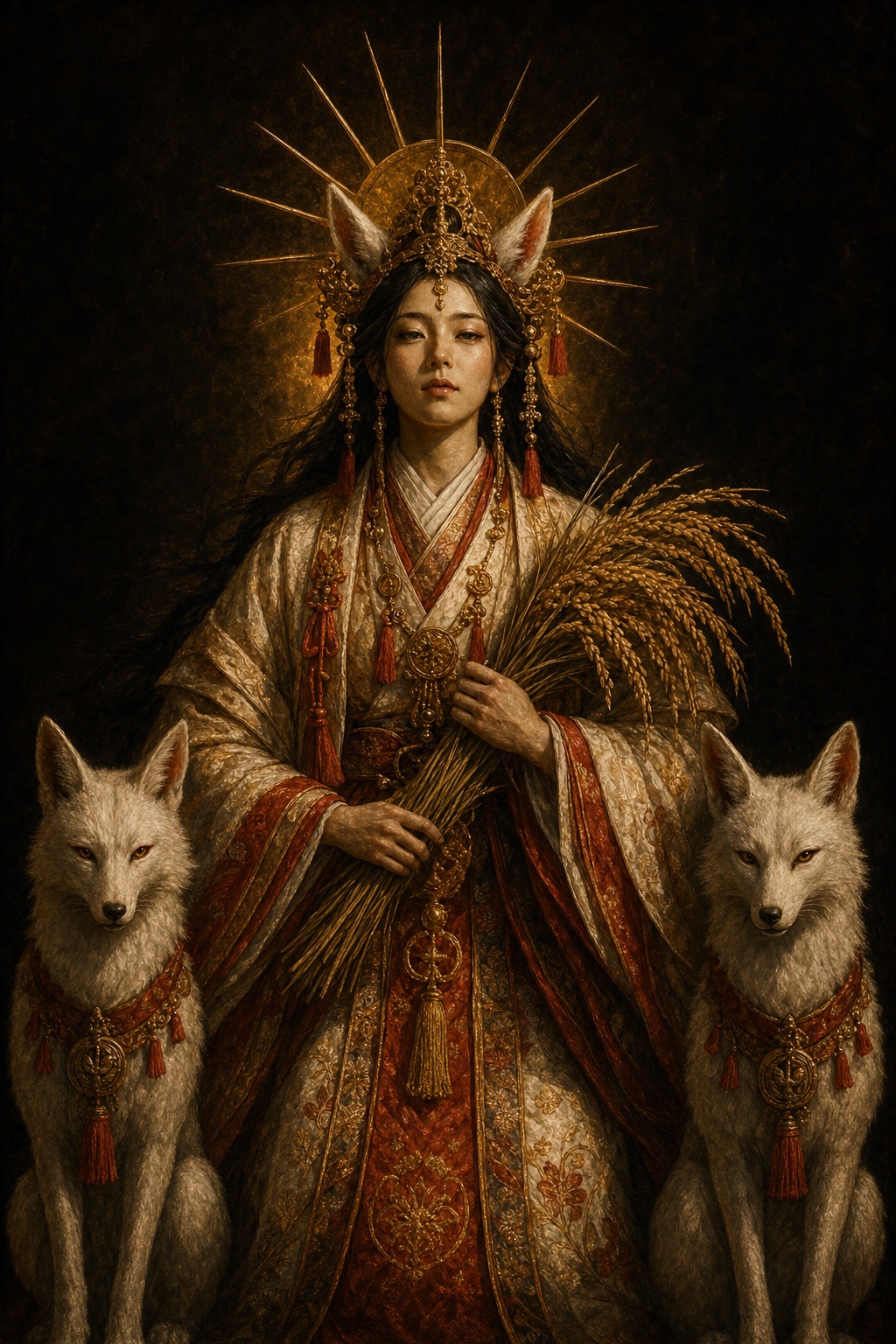
Inari
agriculture · fertility · commerce · protection
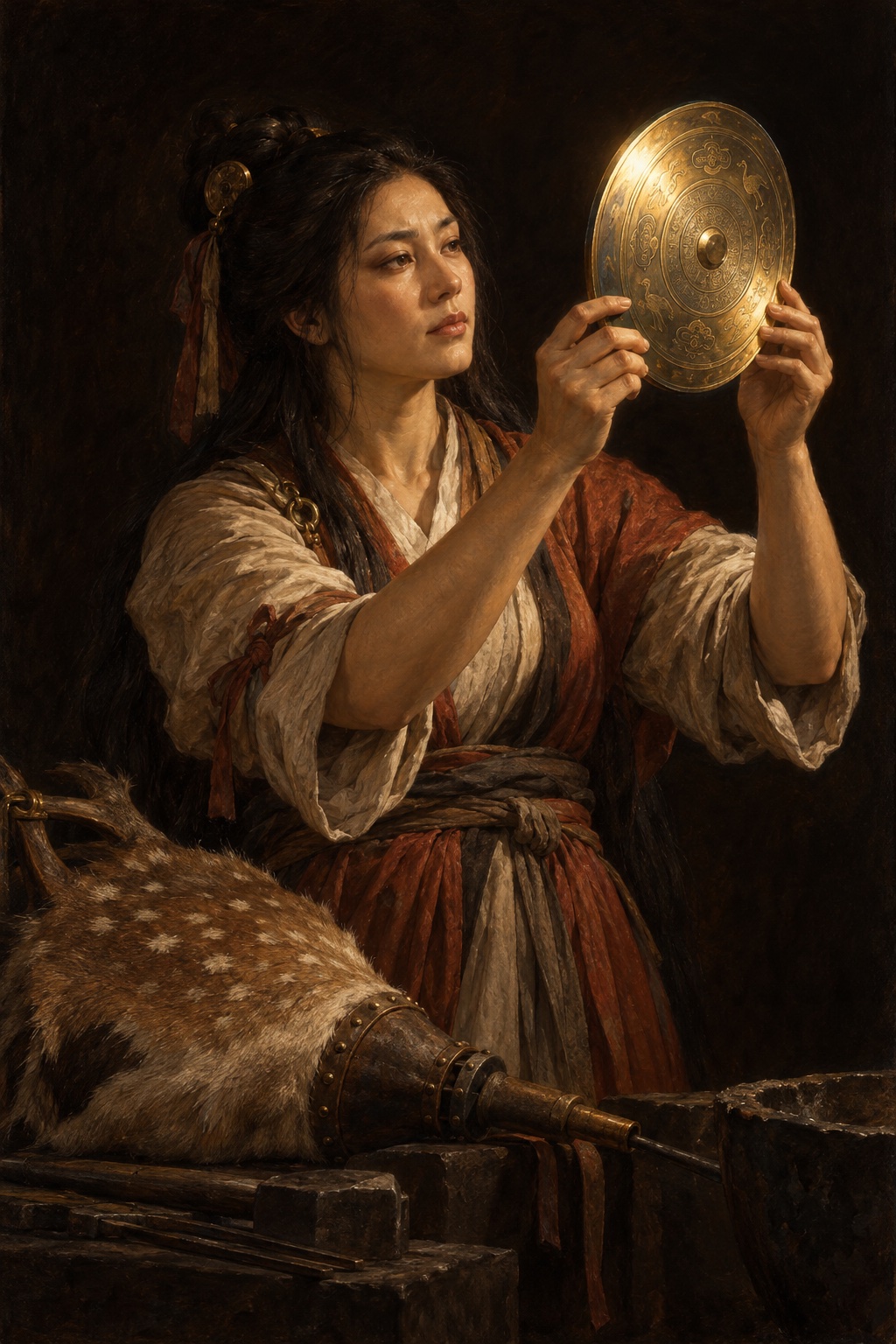
Ishikoridome
craft
Itsu-se
war · sun
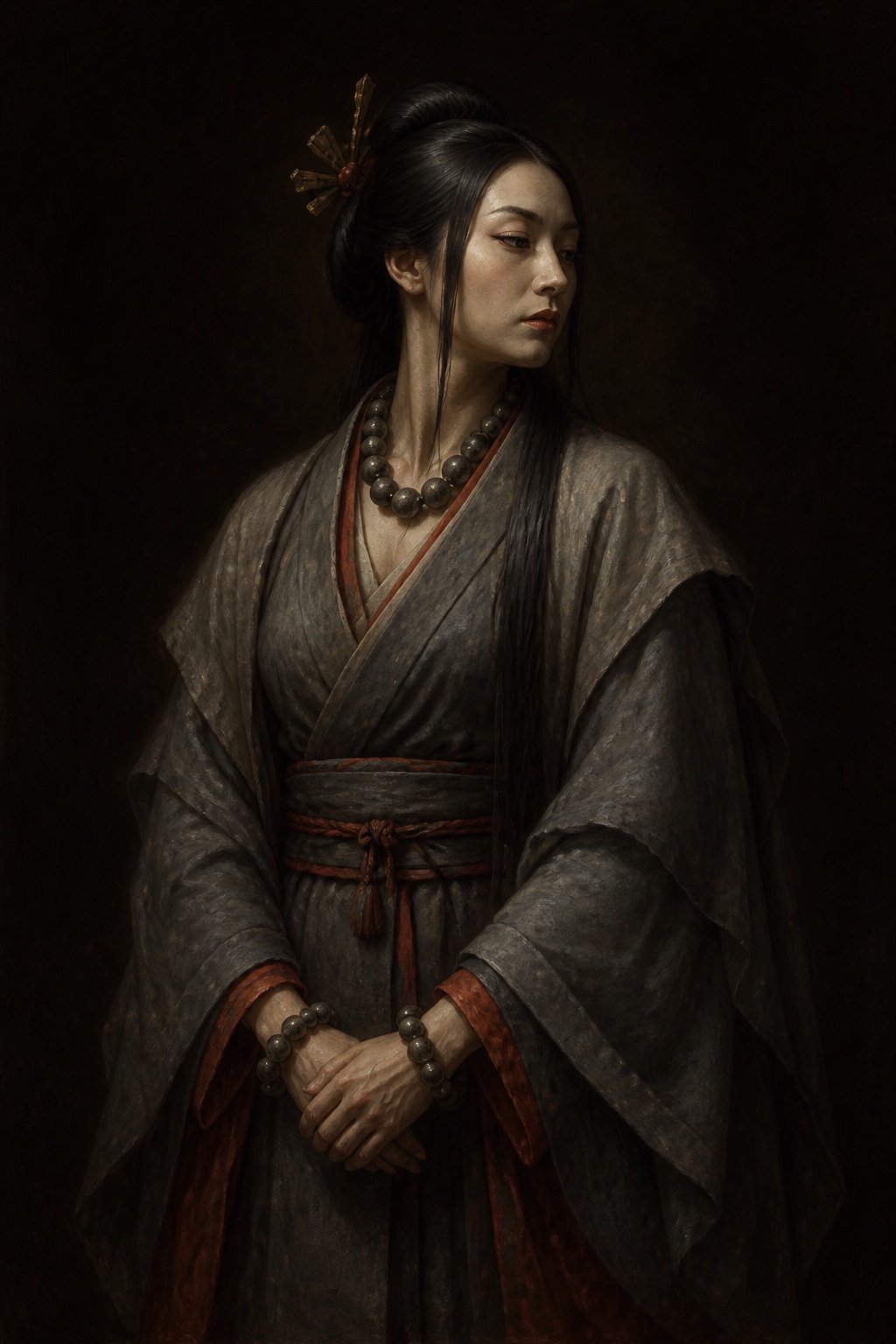
Iwanaga-hime
immortality · fate
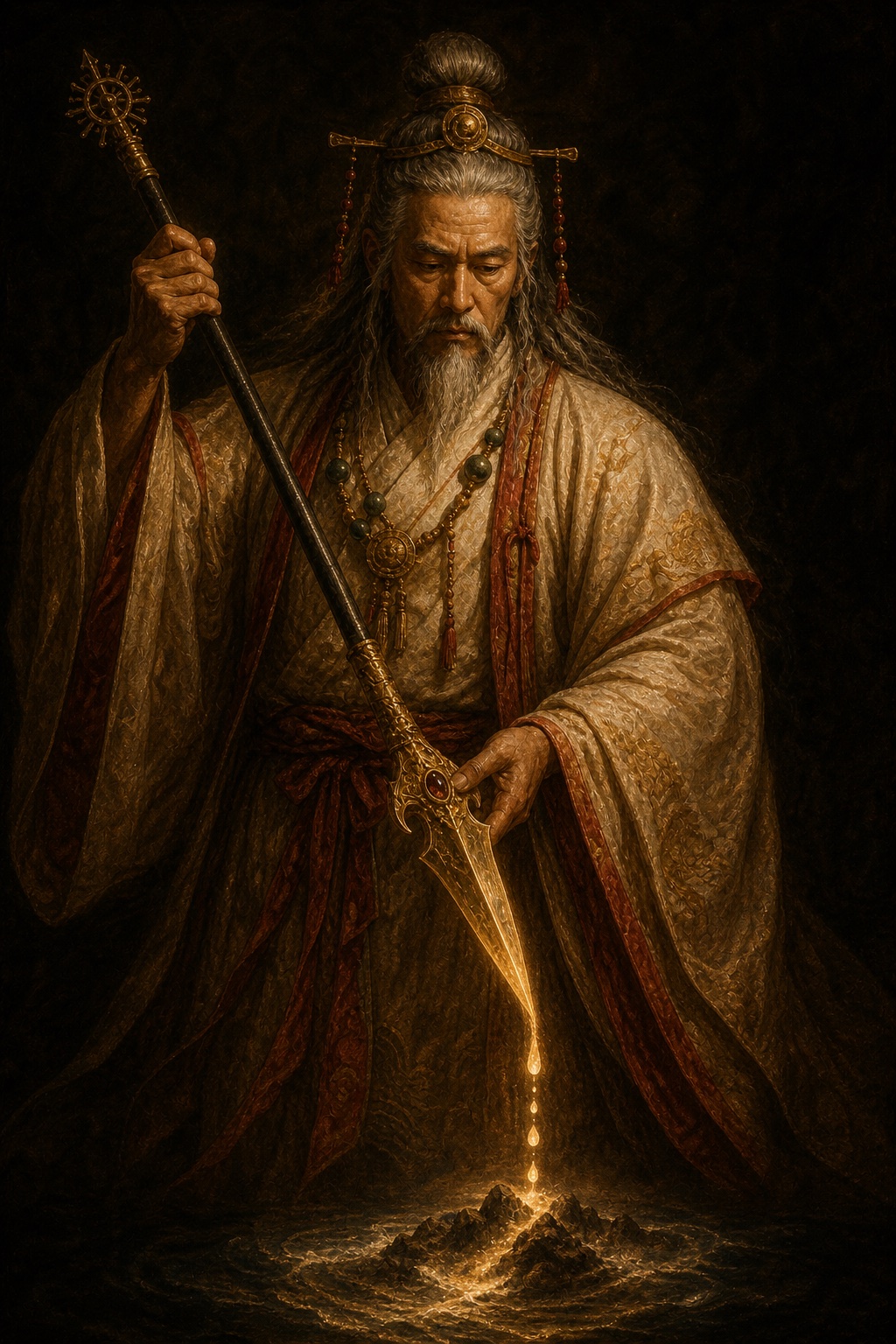
Izanagi
creation · fertility · order
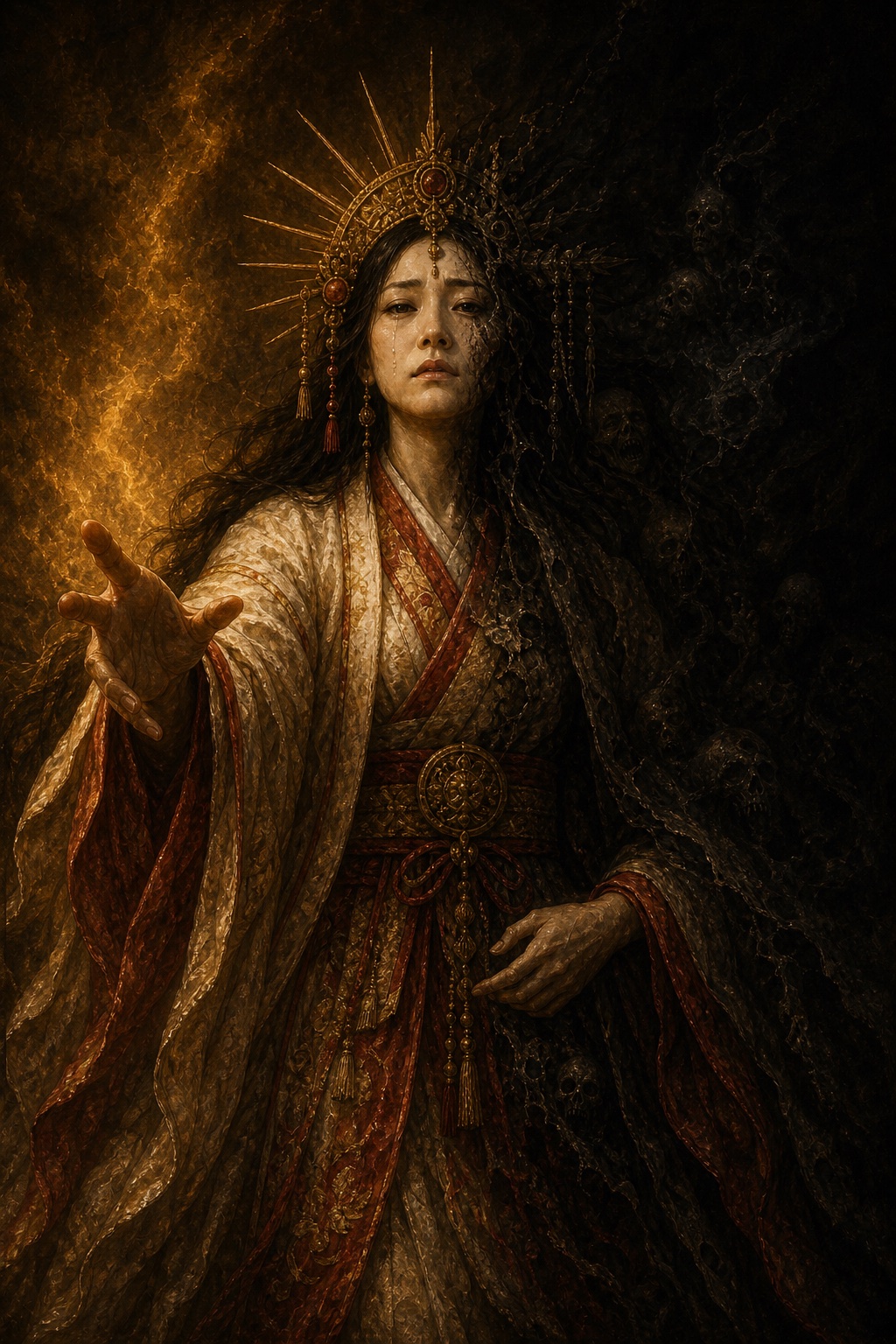
Izanami
creation · death · underworld · fertility
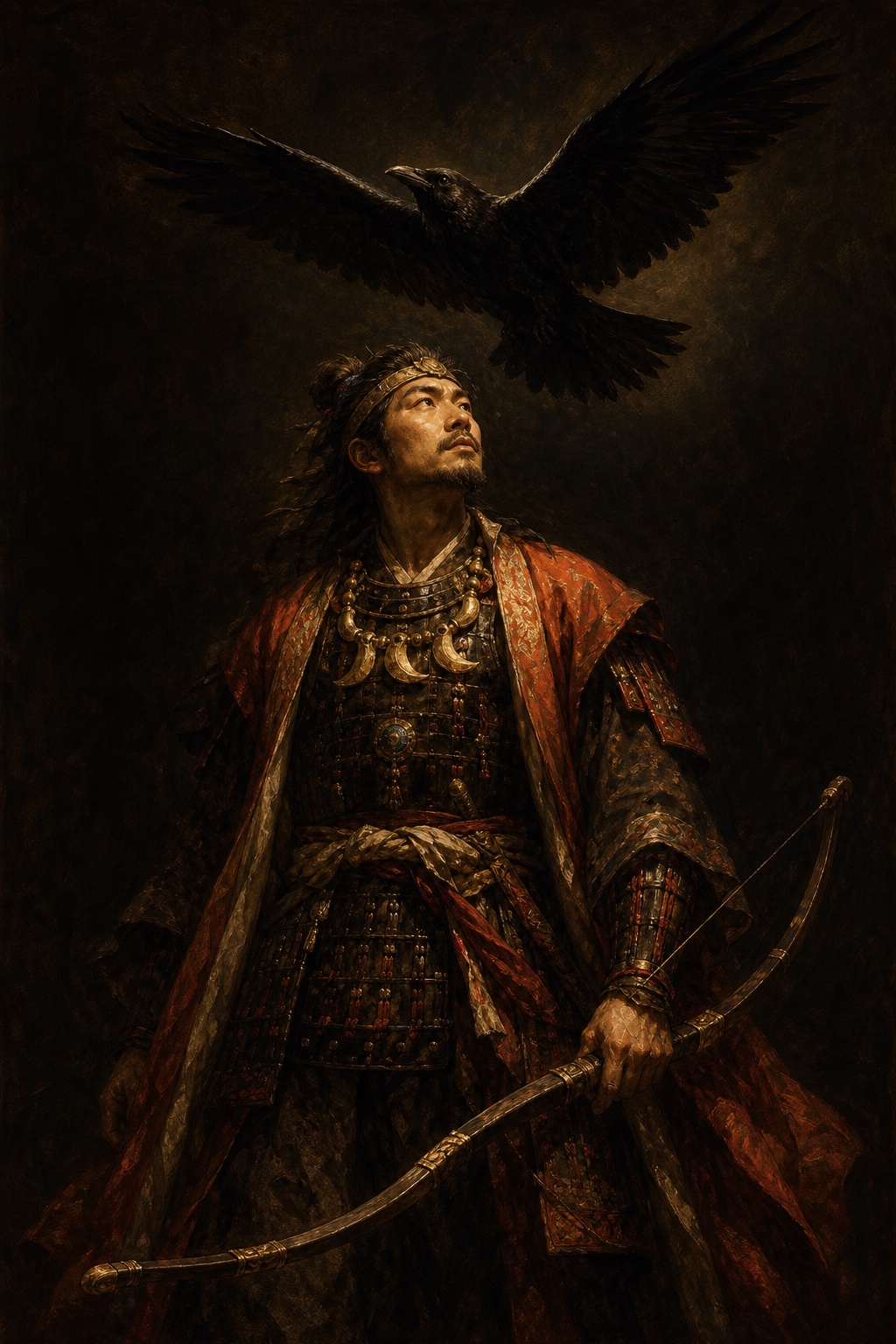
Jimmu
kingship · war
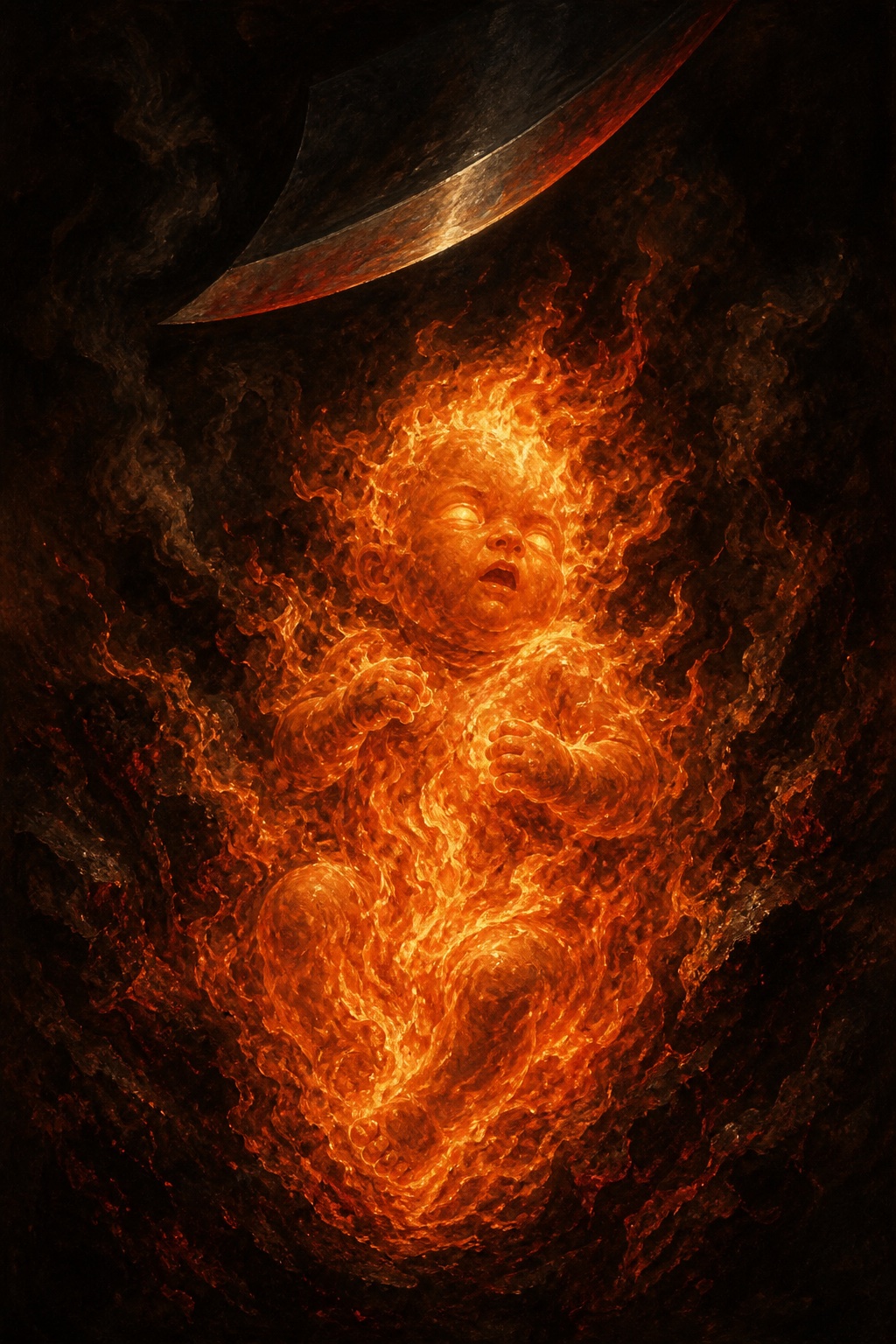
Kagutsuchi
fire · creation · death · protection
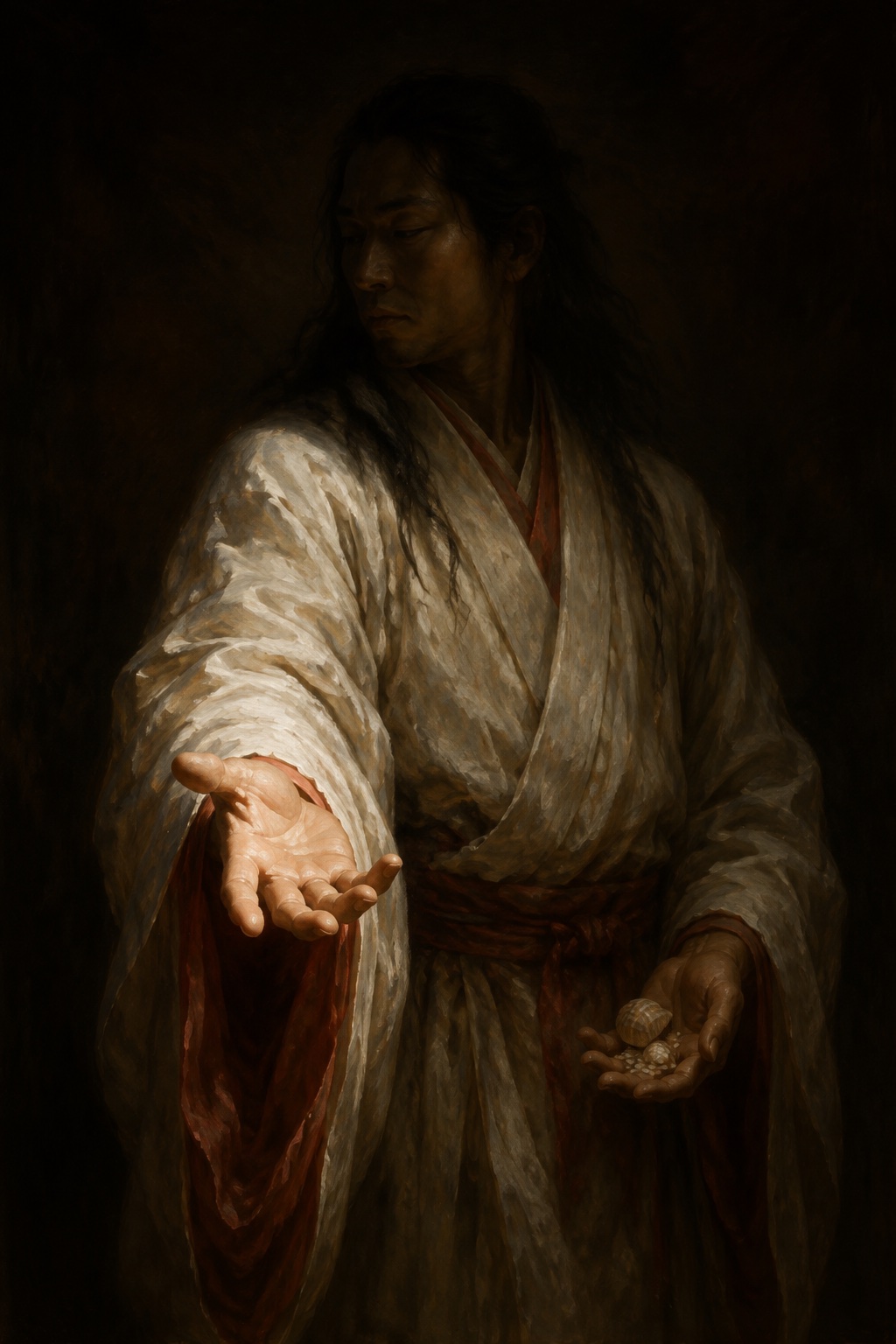
Kamimusubi
creation · healing · agriculture
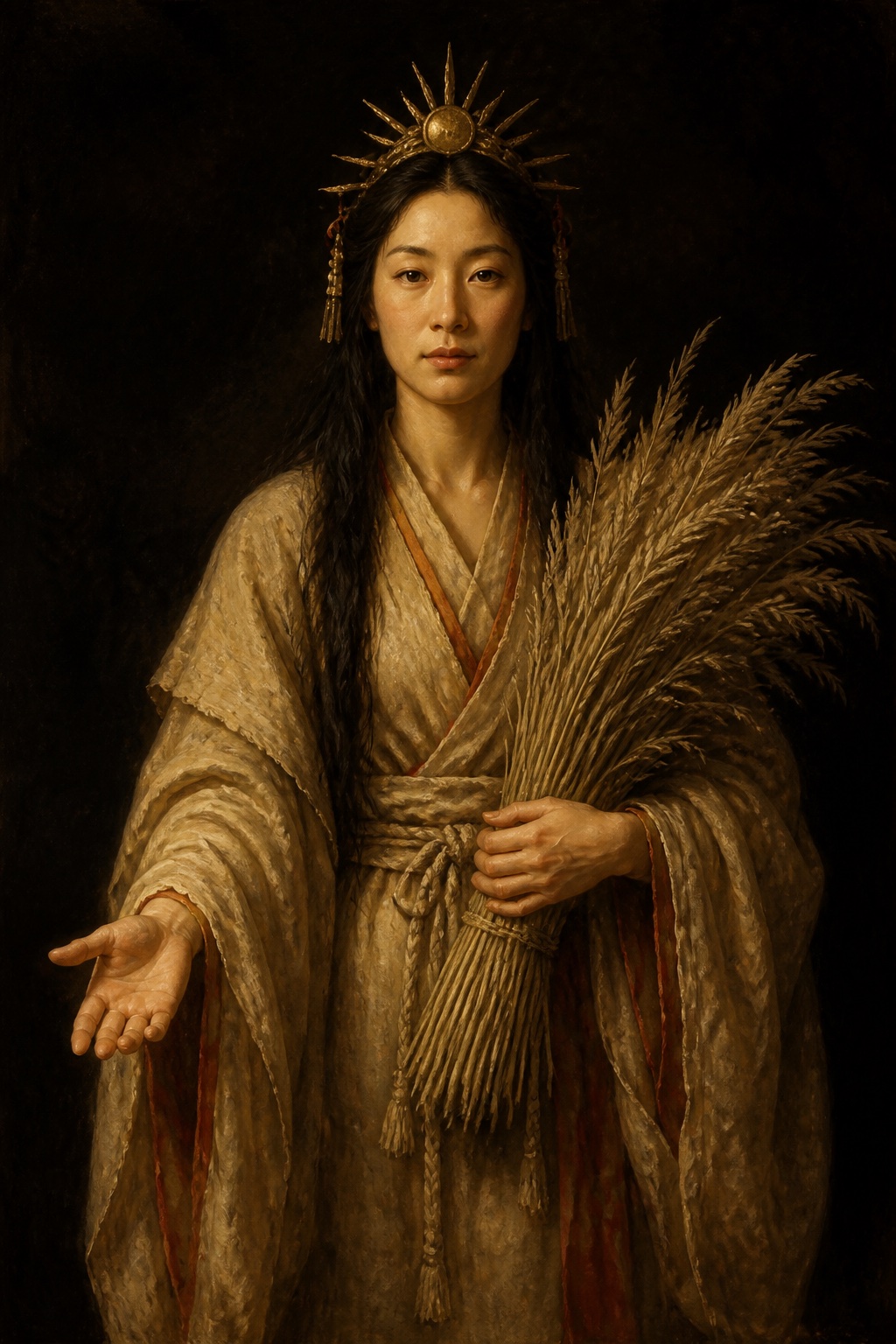
Kayanuhime
creation · fertility
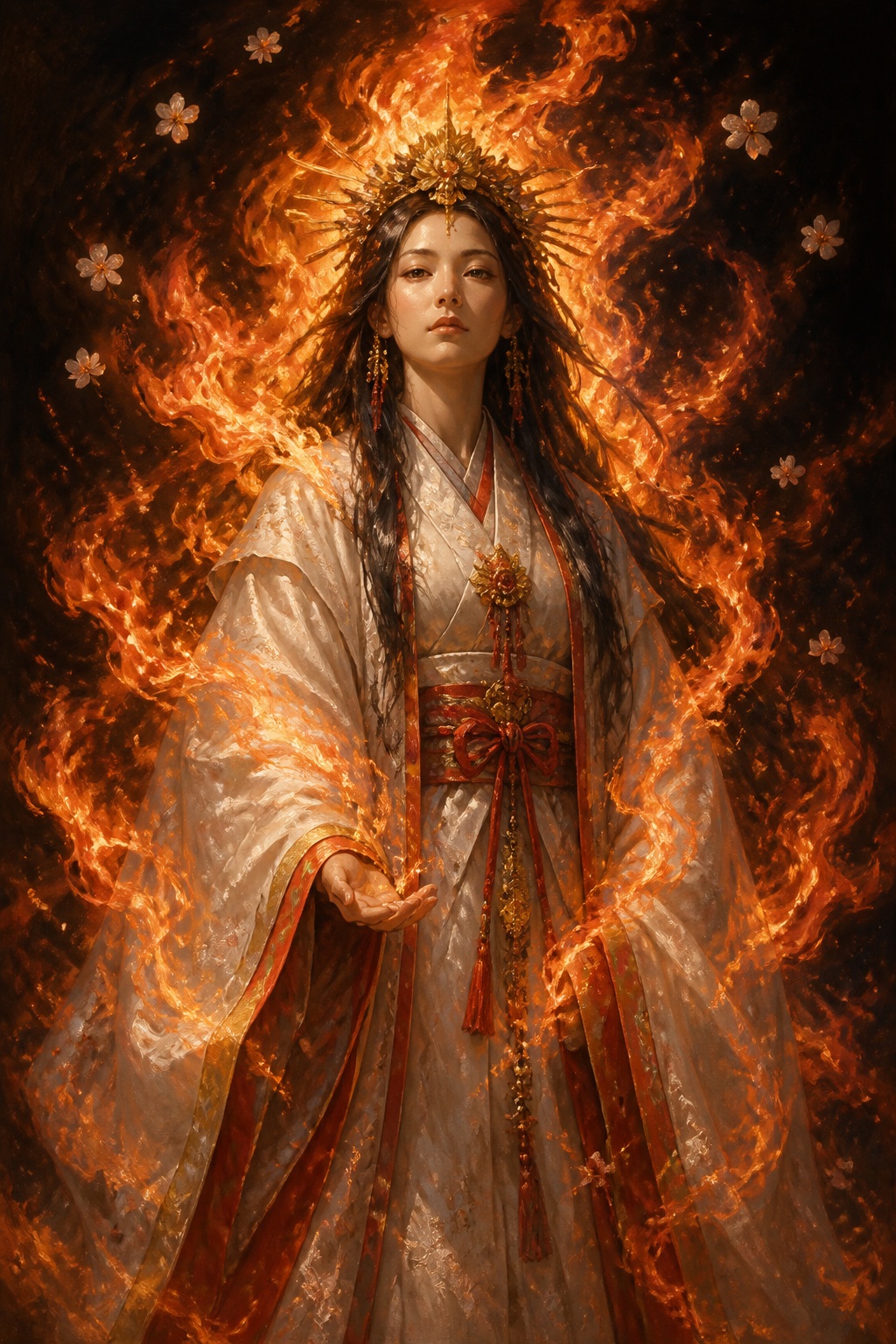
Ko-no-hana-no-Sakuya-hime
fertility · fire
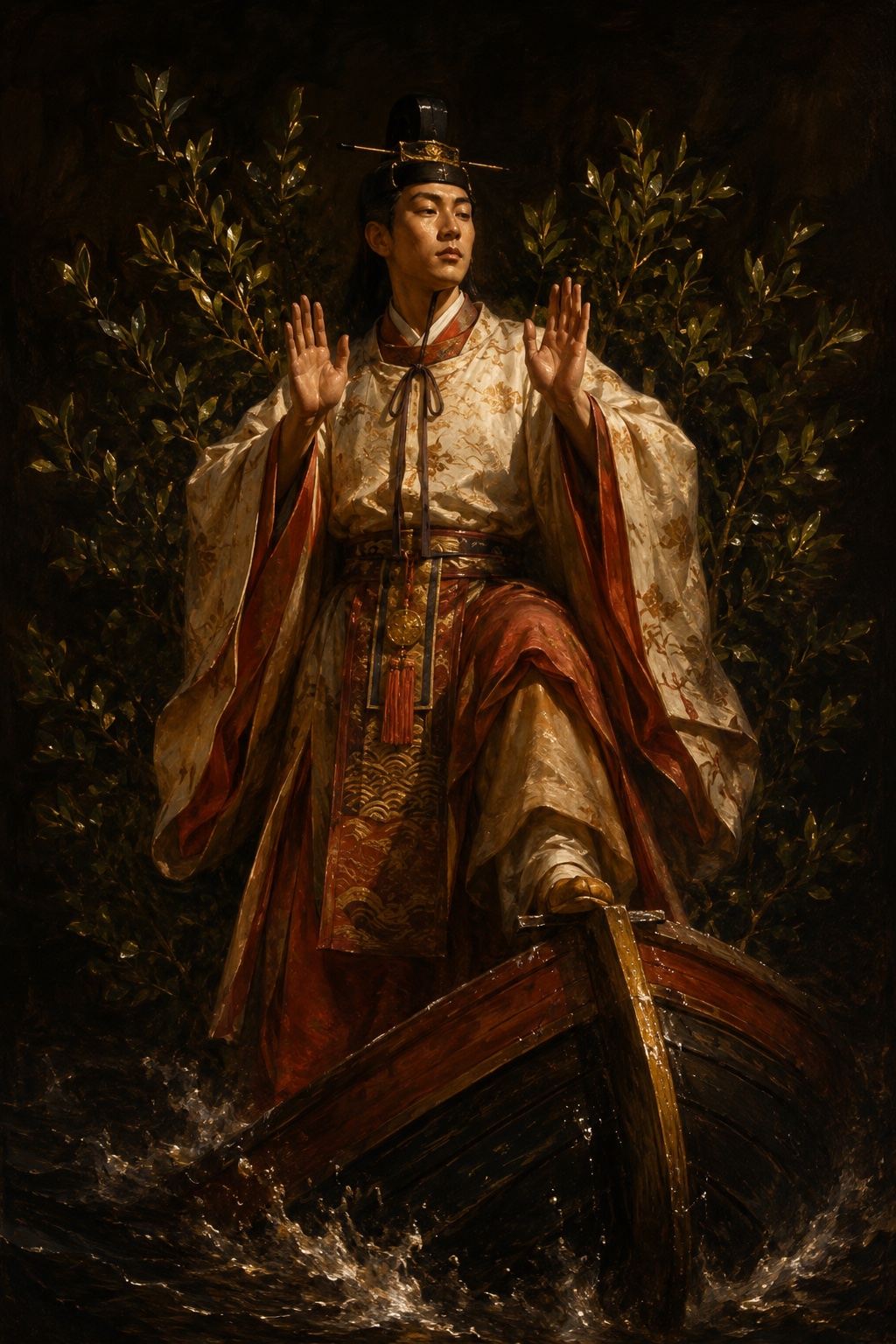
Kotoshironushi
kingship · fate · sea
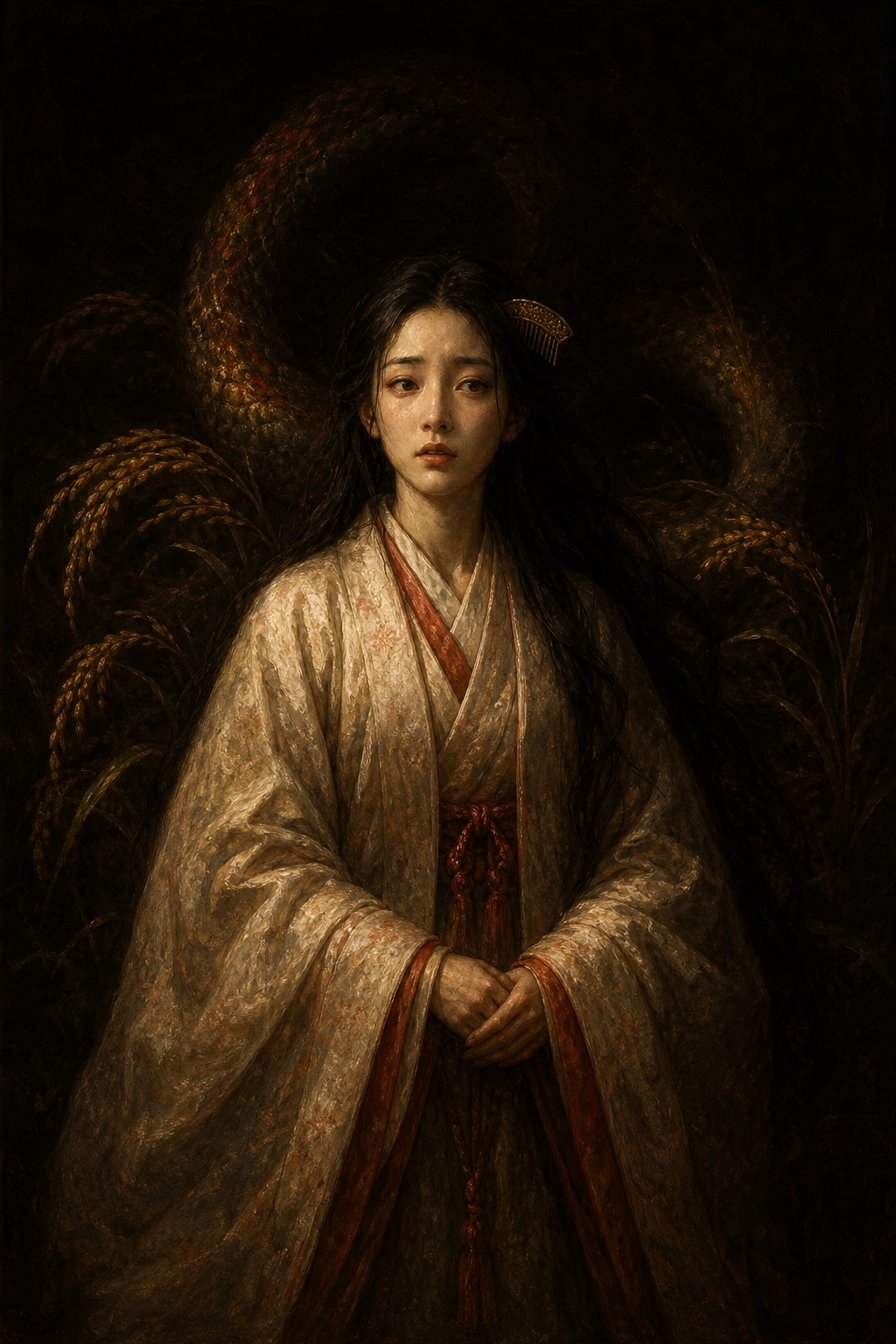
Kushinada-hime
agriculture · protection · fertility
Nagasune-biko
war · kingship
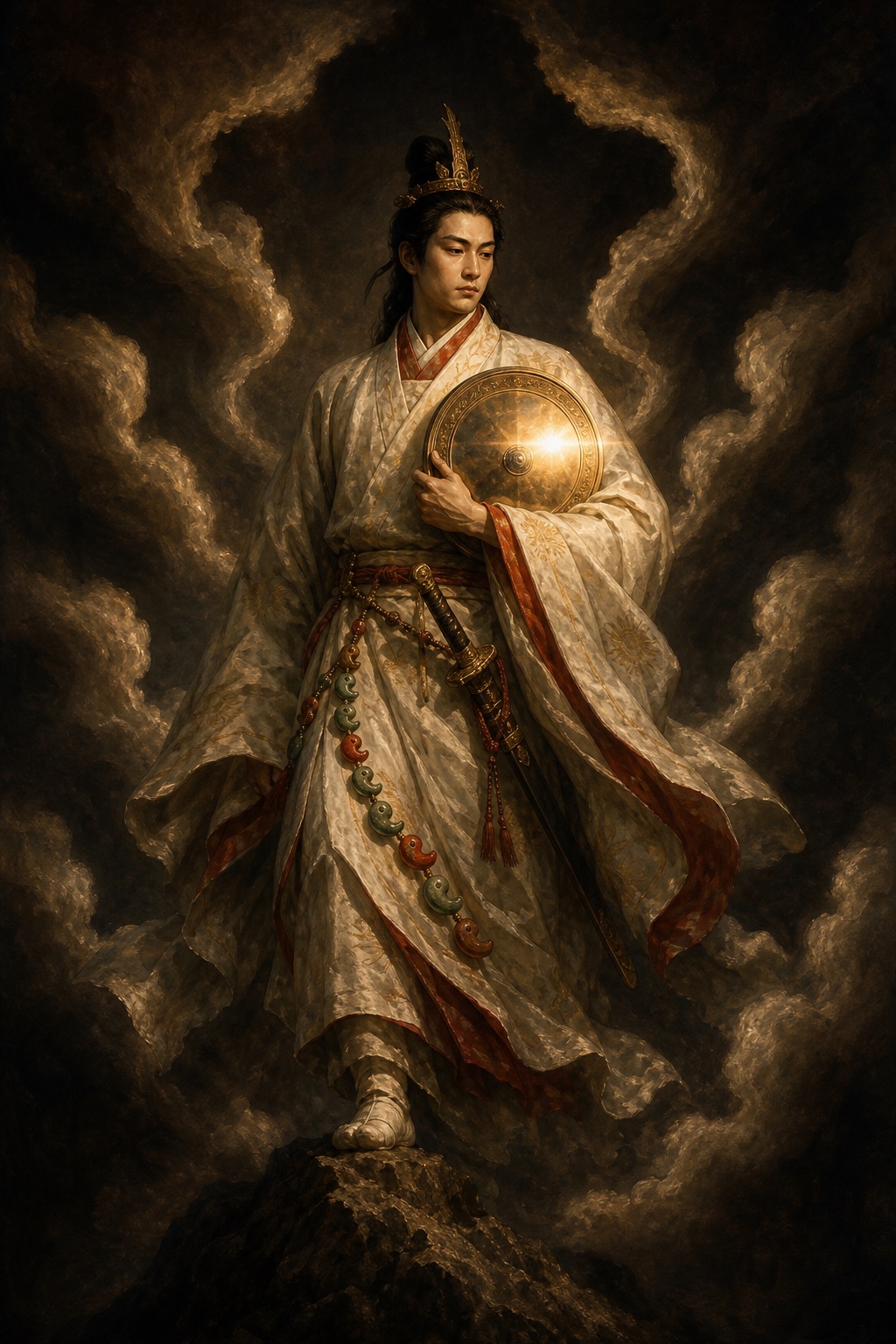
Ninigi-no-Mikoto
kingship · agriculture
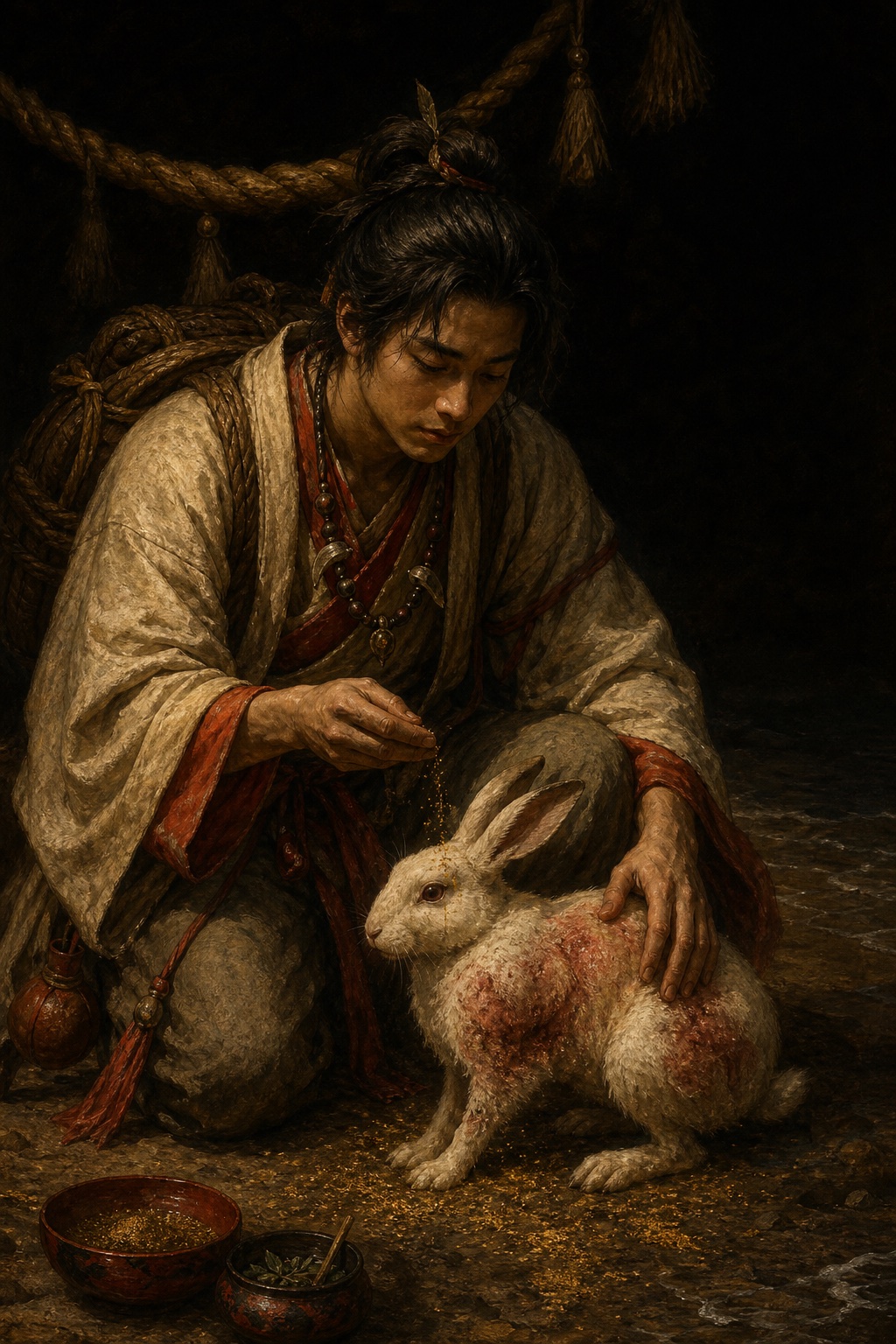
Okuninushi
healing · magic · agriculture · kingship
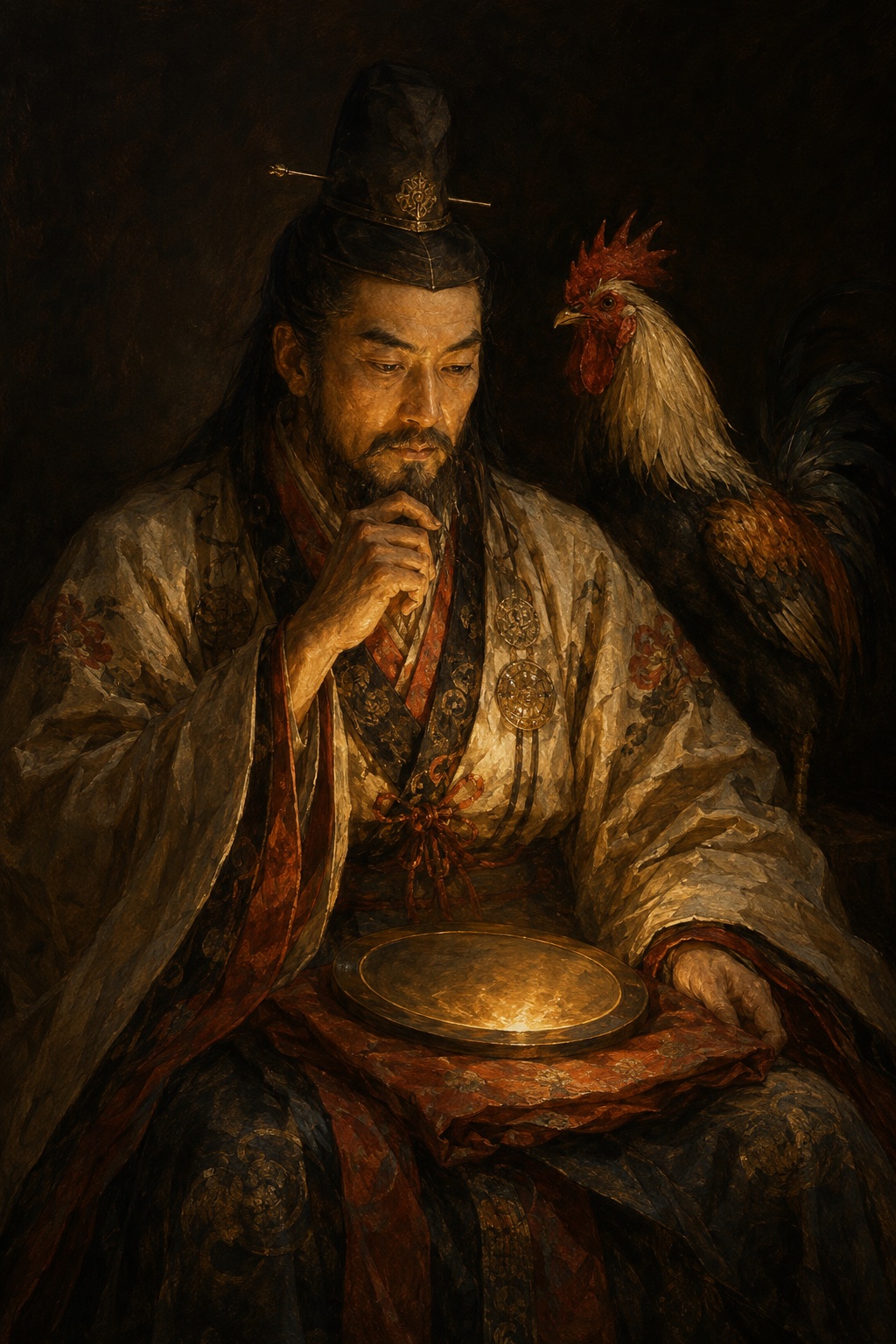
Omoikane
wisdom · strategy
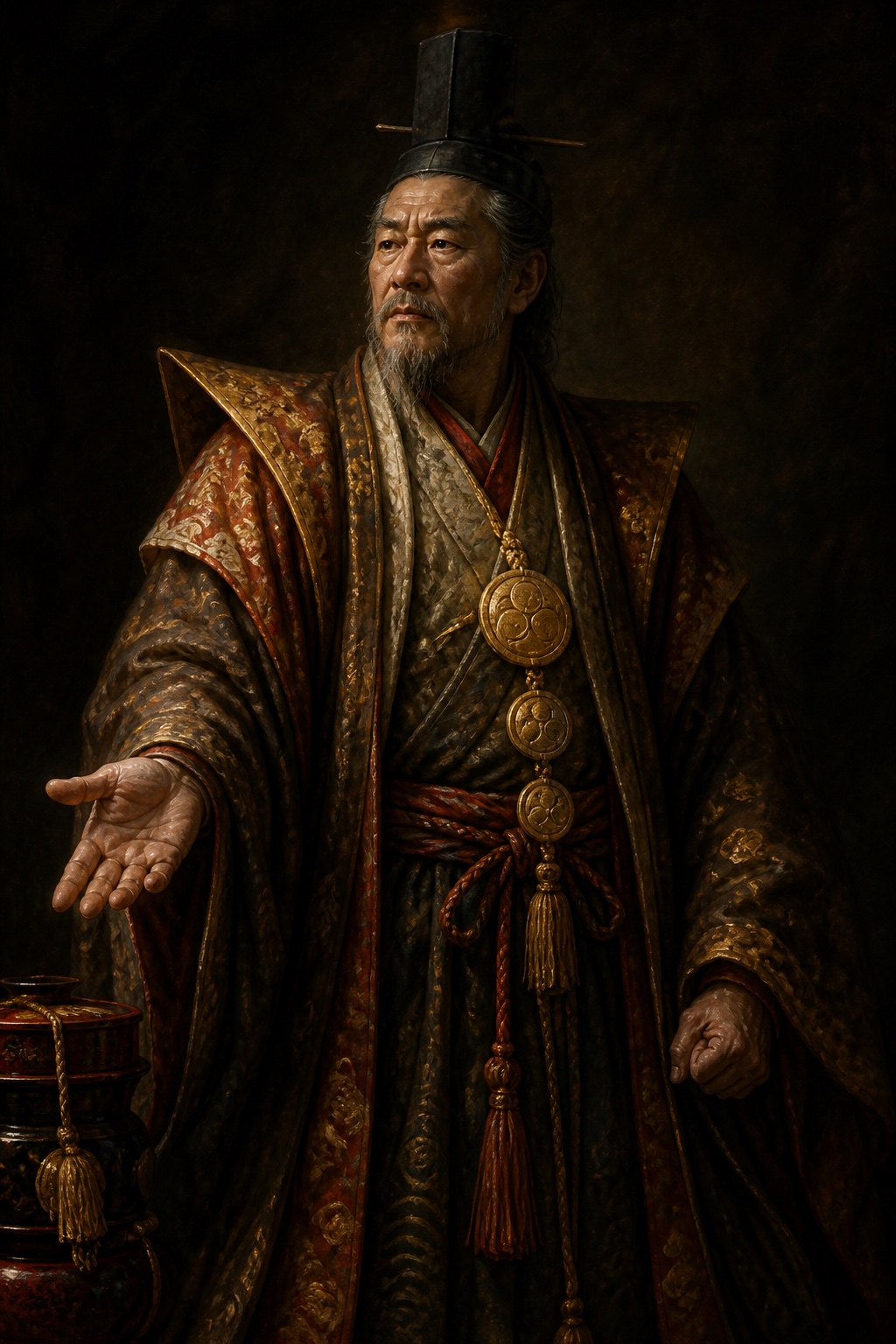
Ōyamatsumi
fate · fertility
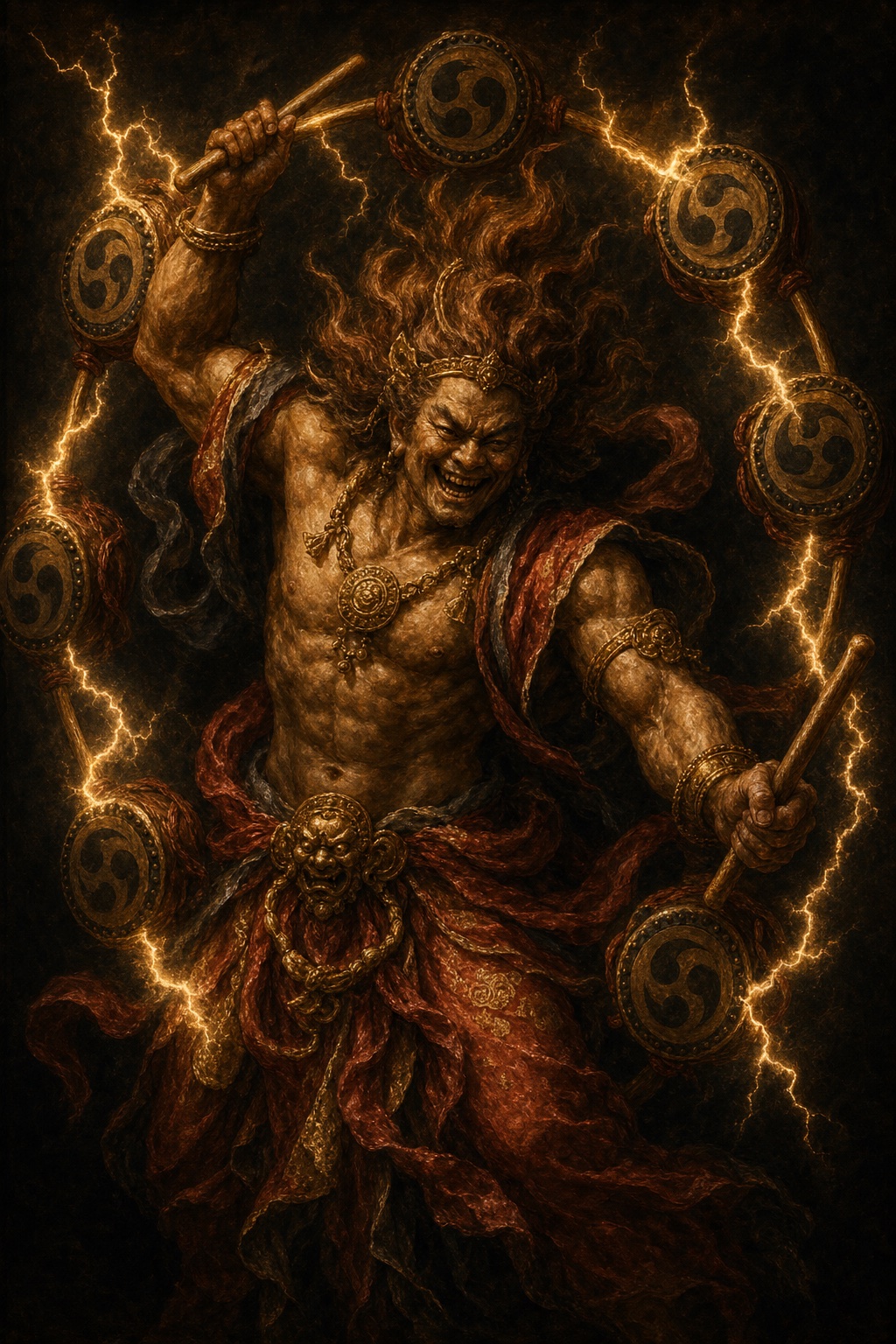
Raijin
thunder · storms · guardianship
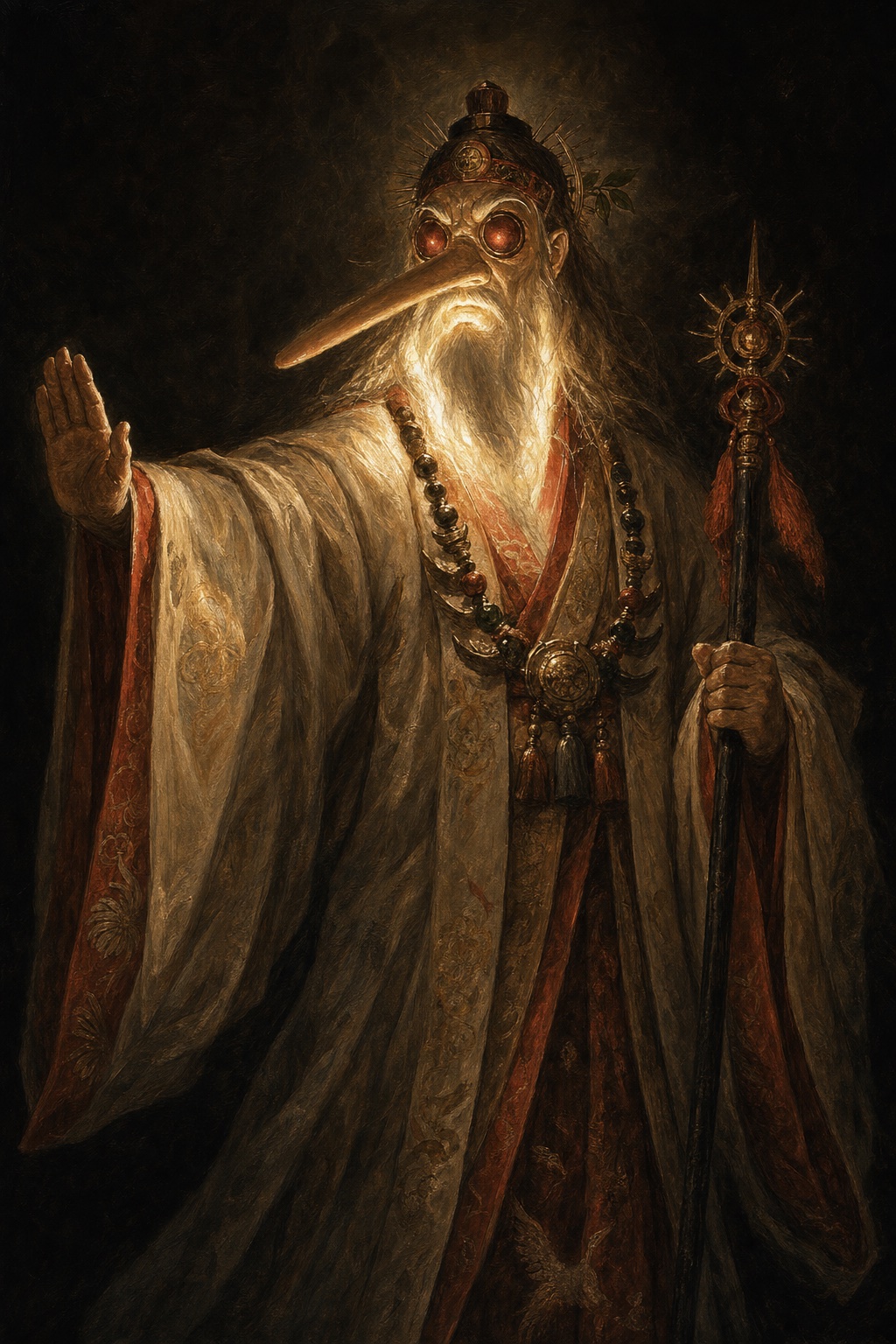
Sarutahiko
guardianship · travel
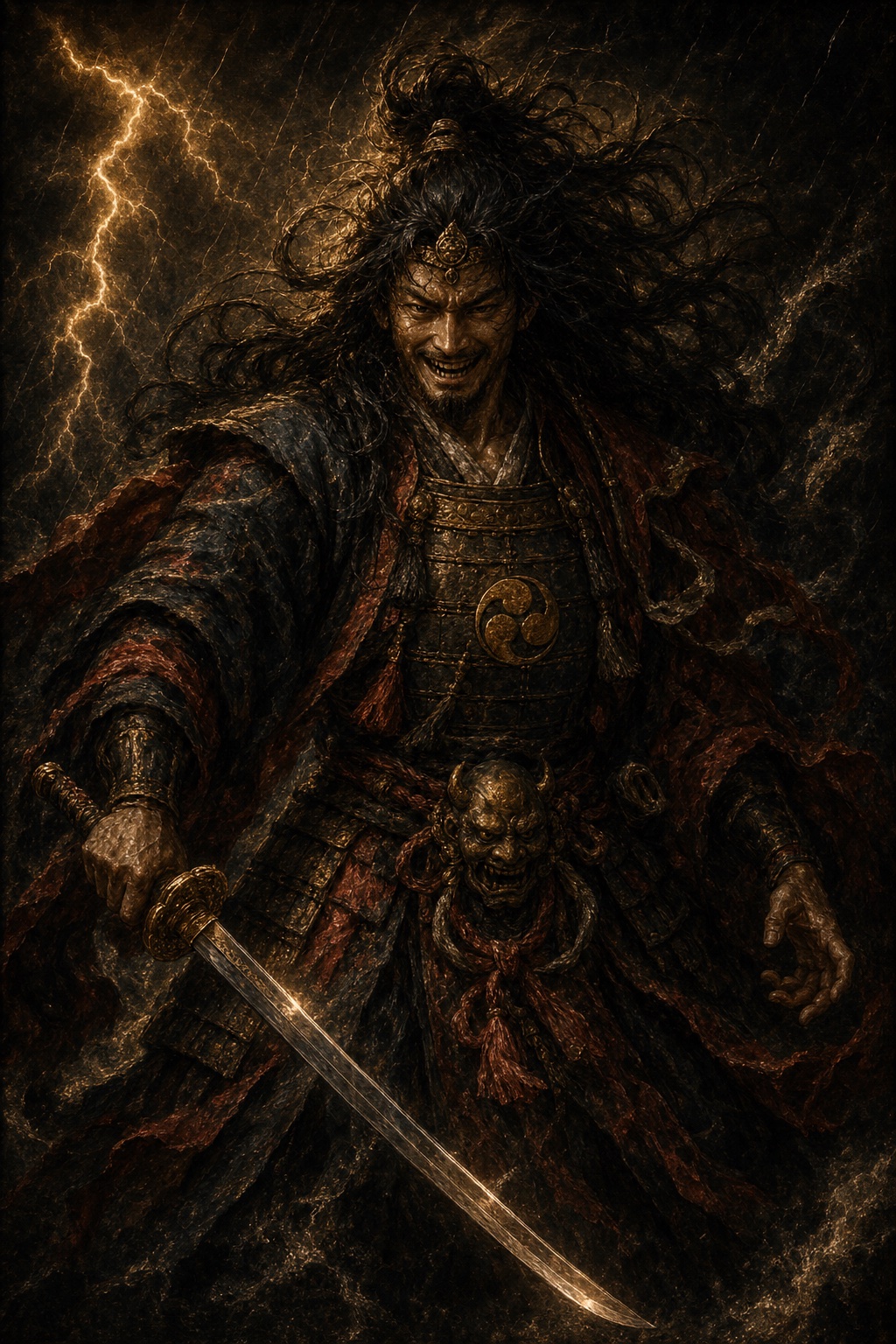
Susanoo
storms · sea · chaos · monsters
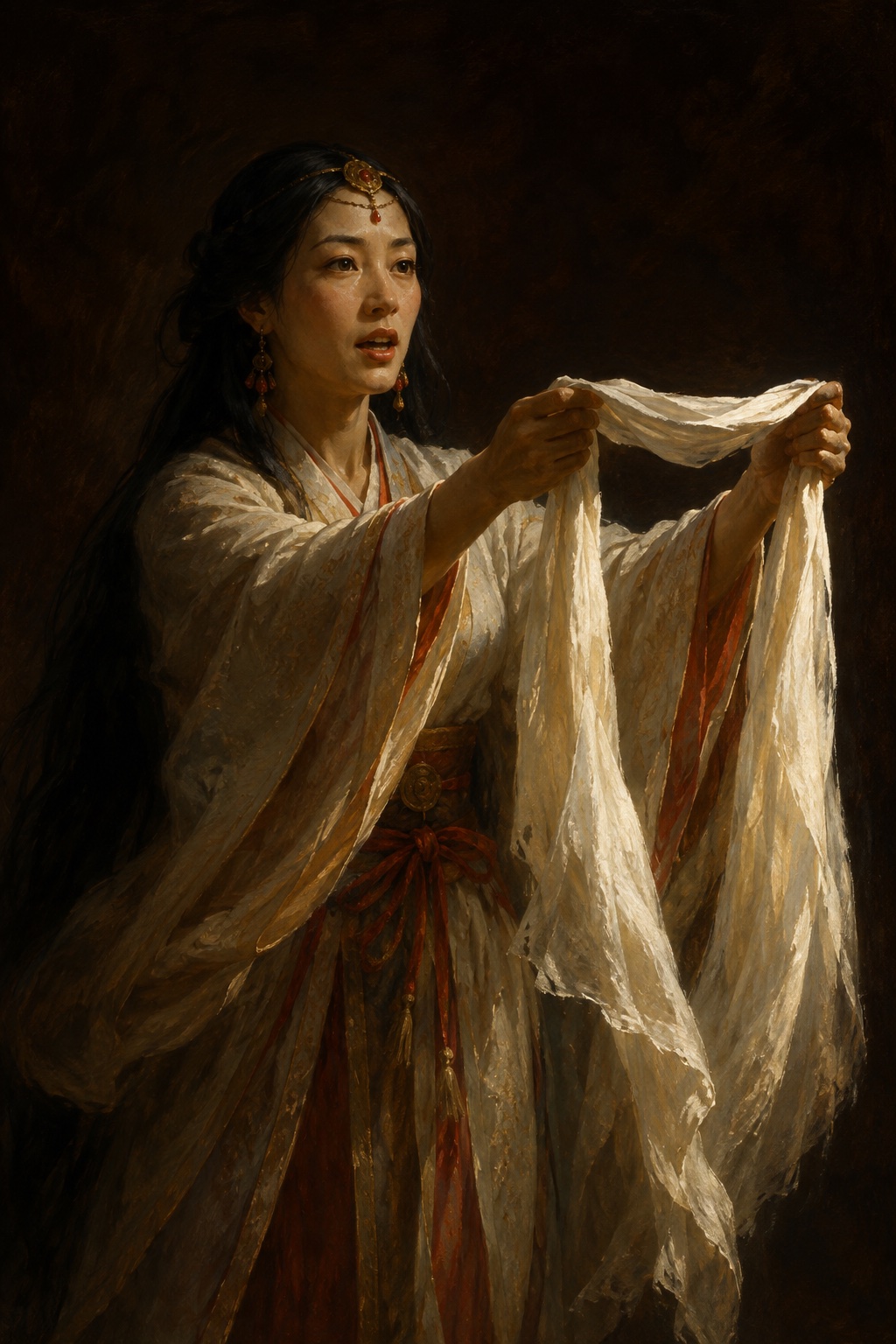
Suseri-bime
love · magic · protection
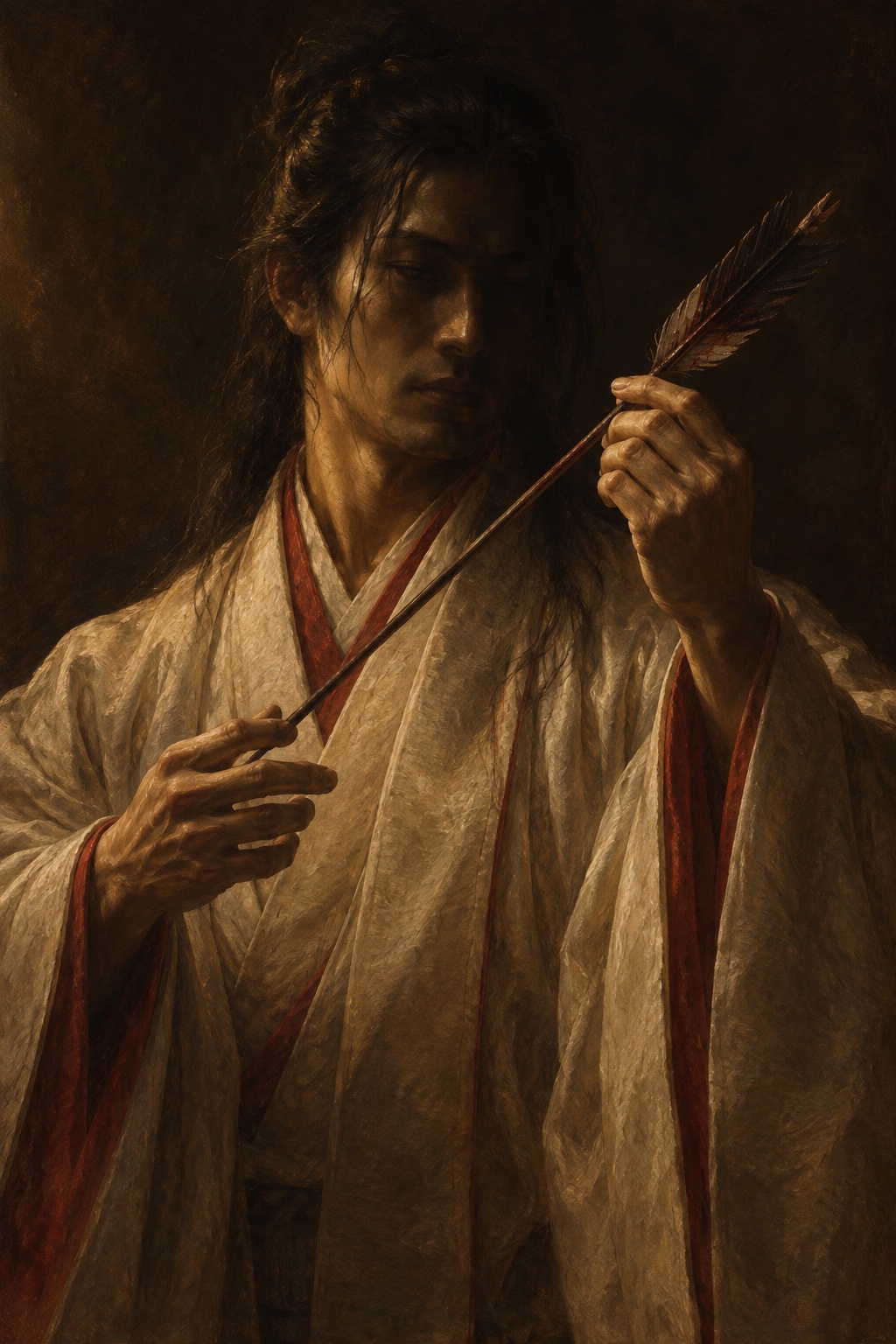
Takamimusubi
creation · kingship · order
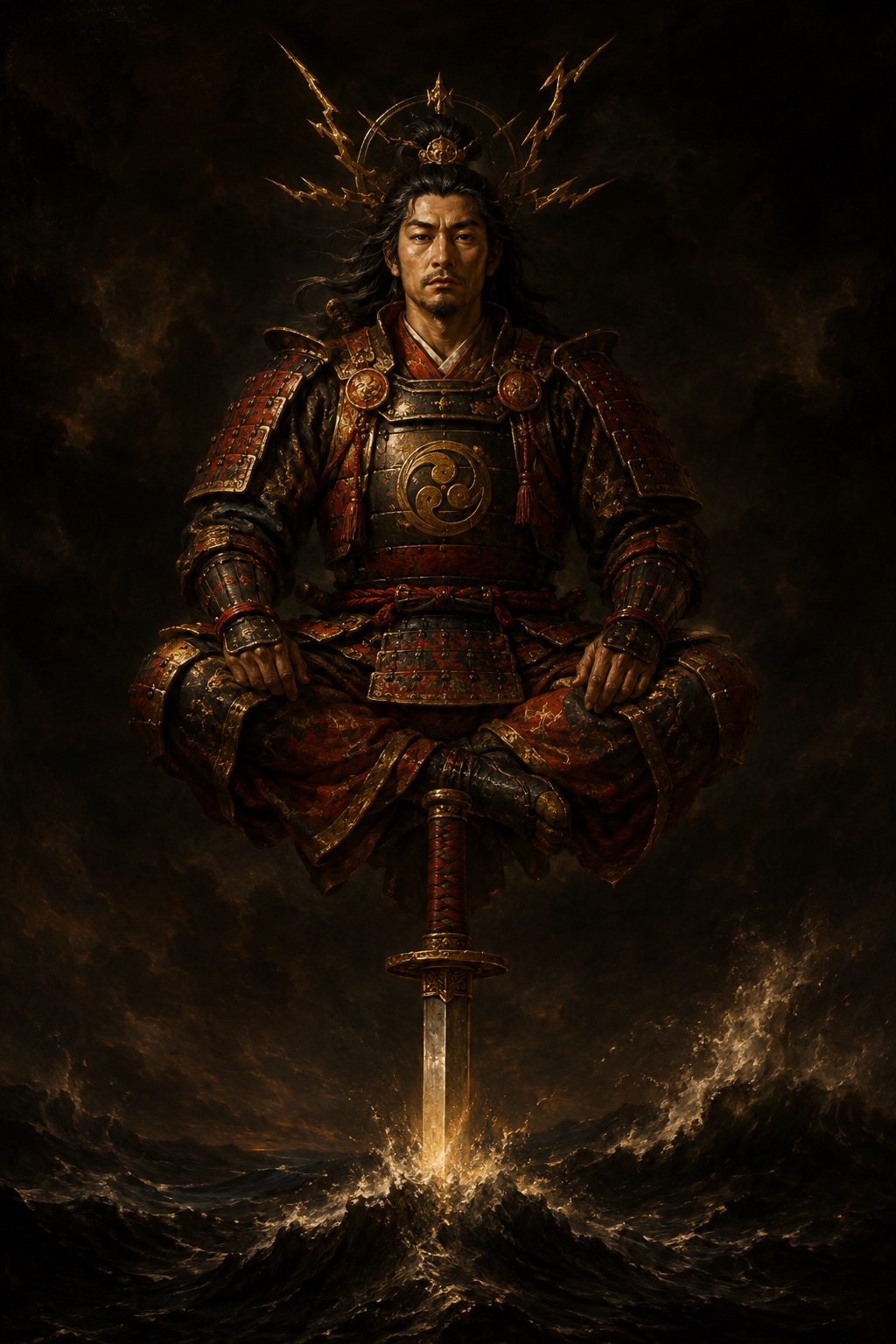
Takemikazuchi
thunder · war
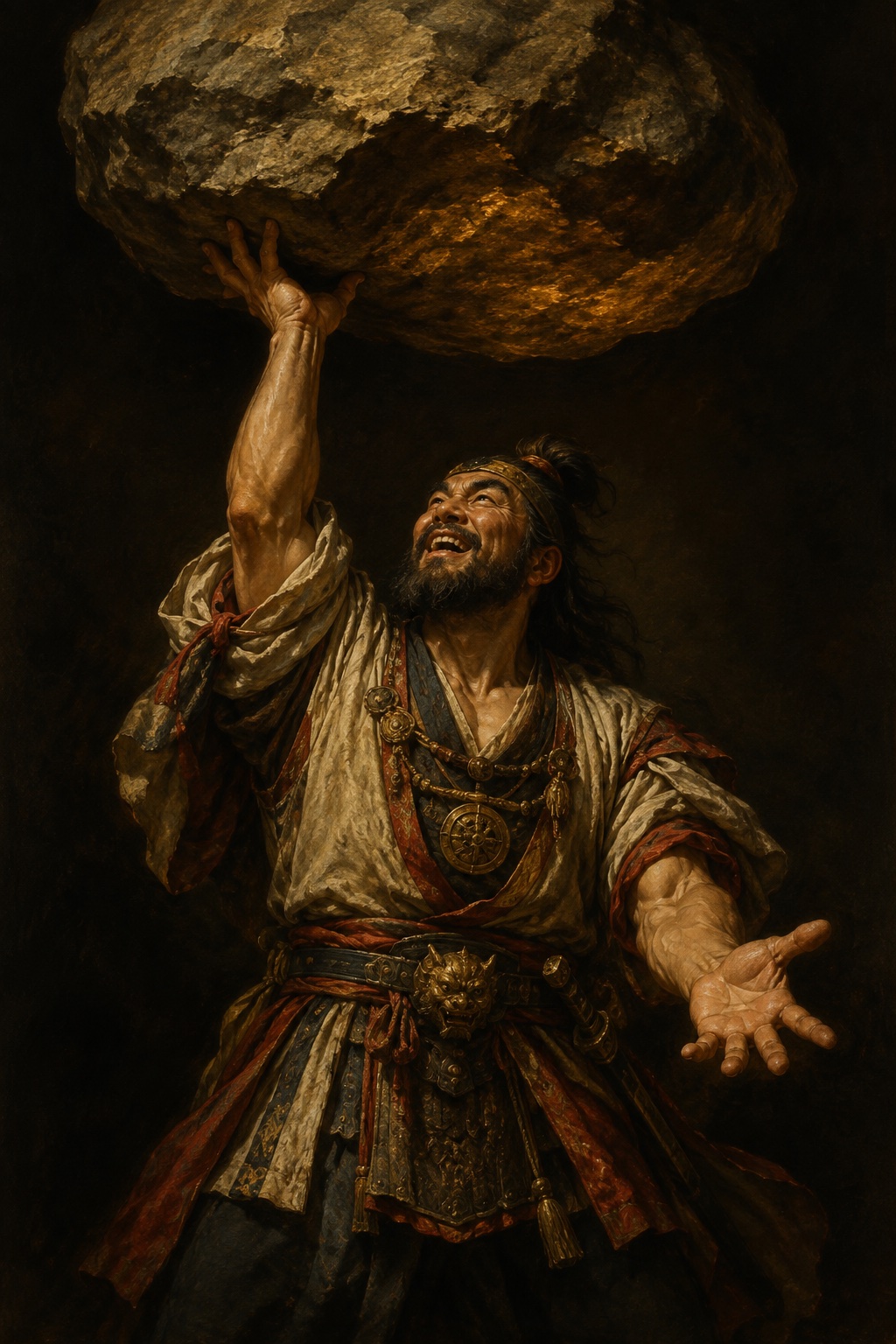
Takeminakata
war · guardianship
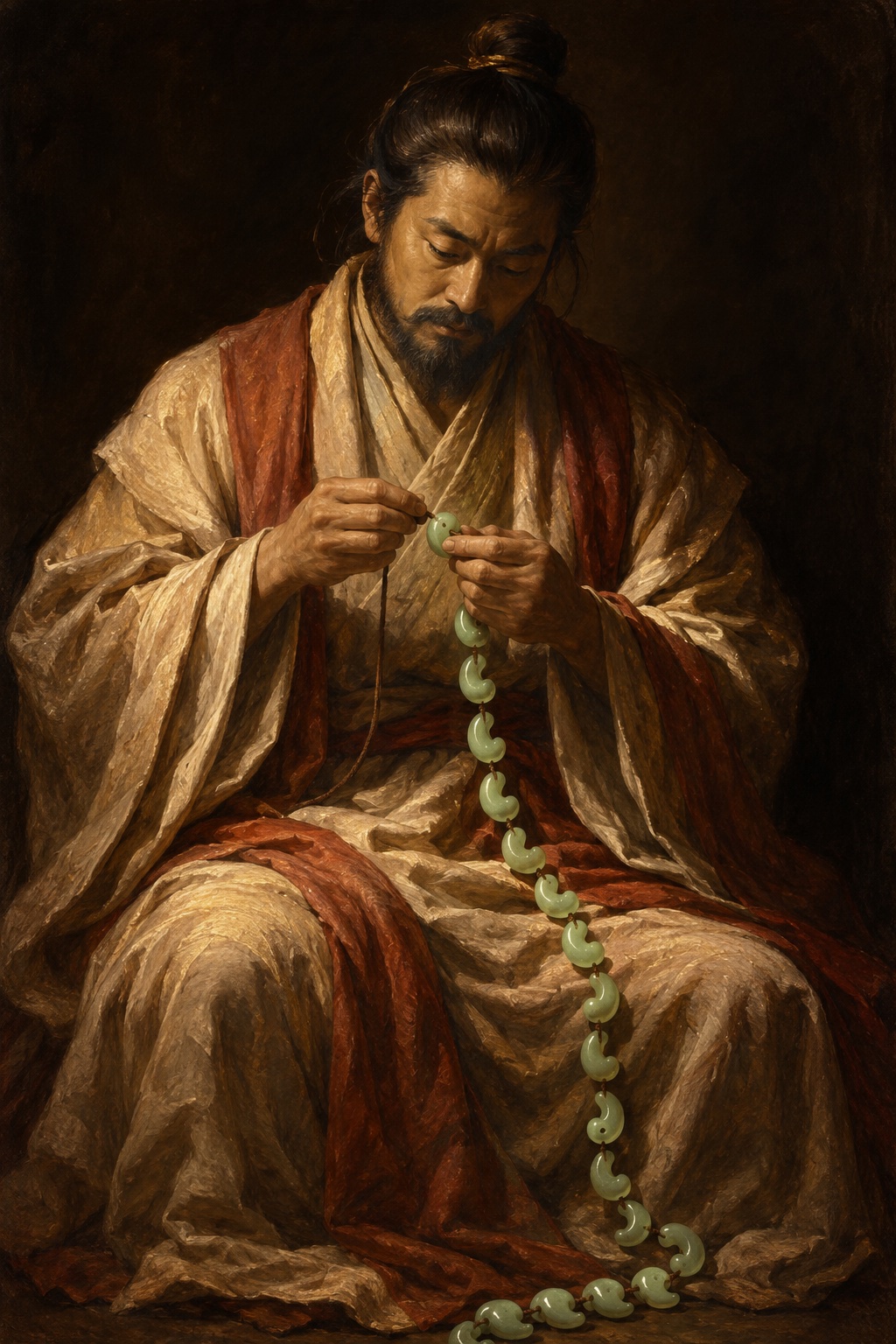
Tama-no-oya
craft
Tamayori-bime
sea · fertility
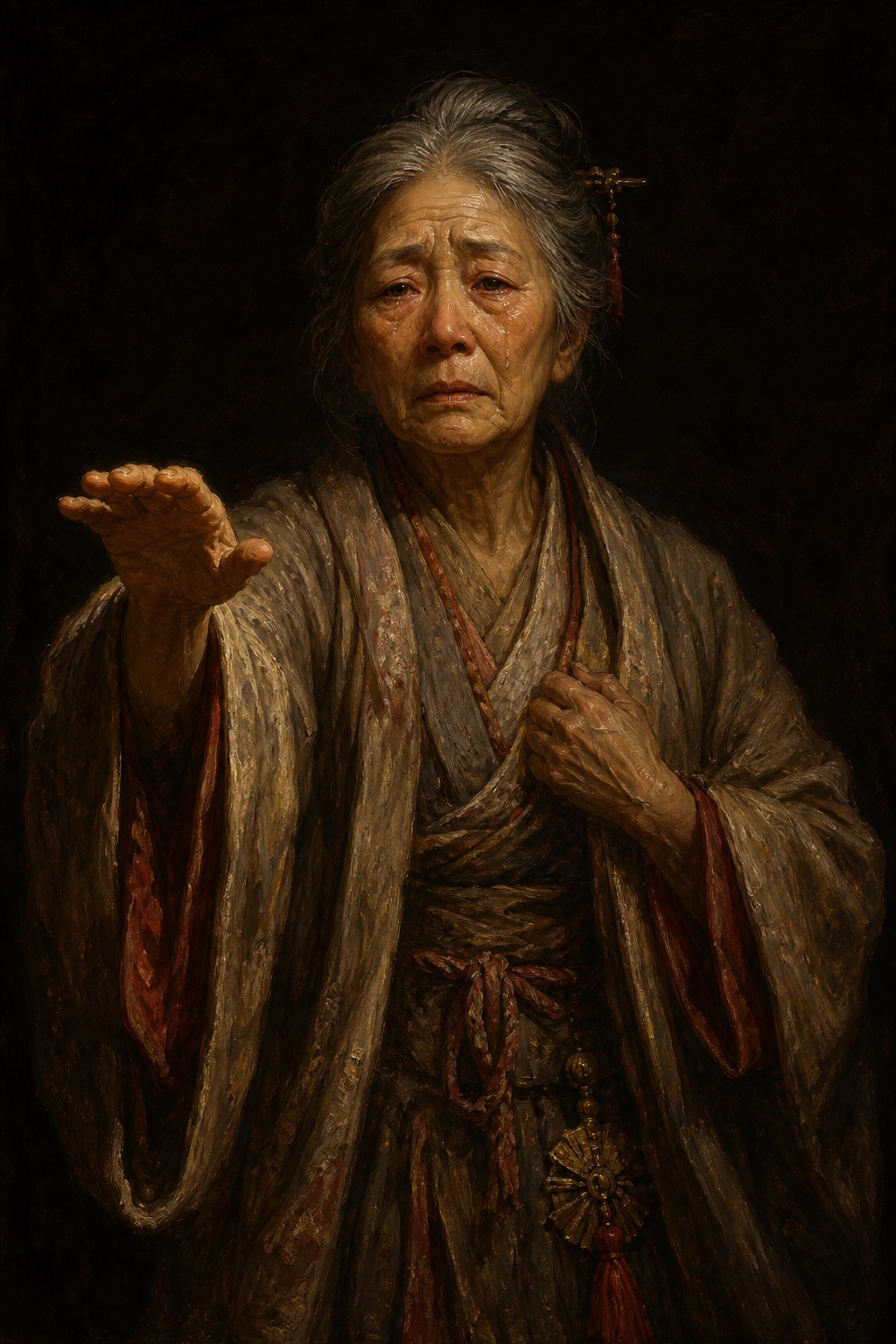
Tenazuchi
agriculture
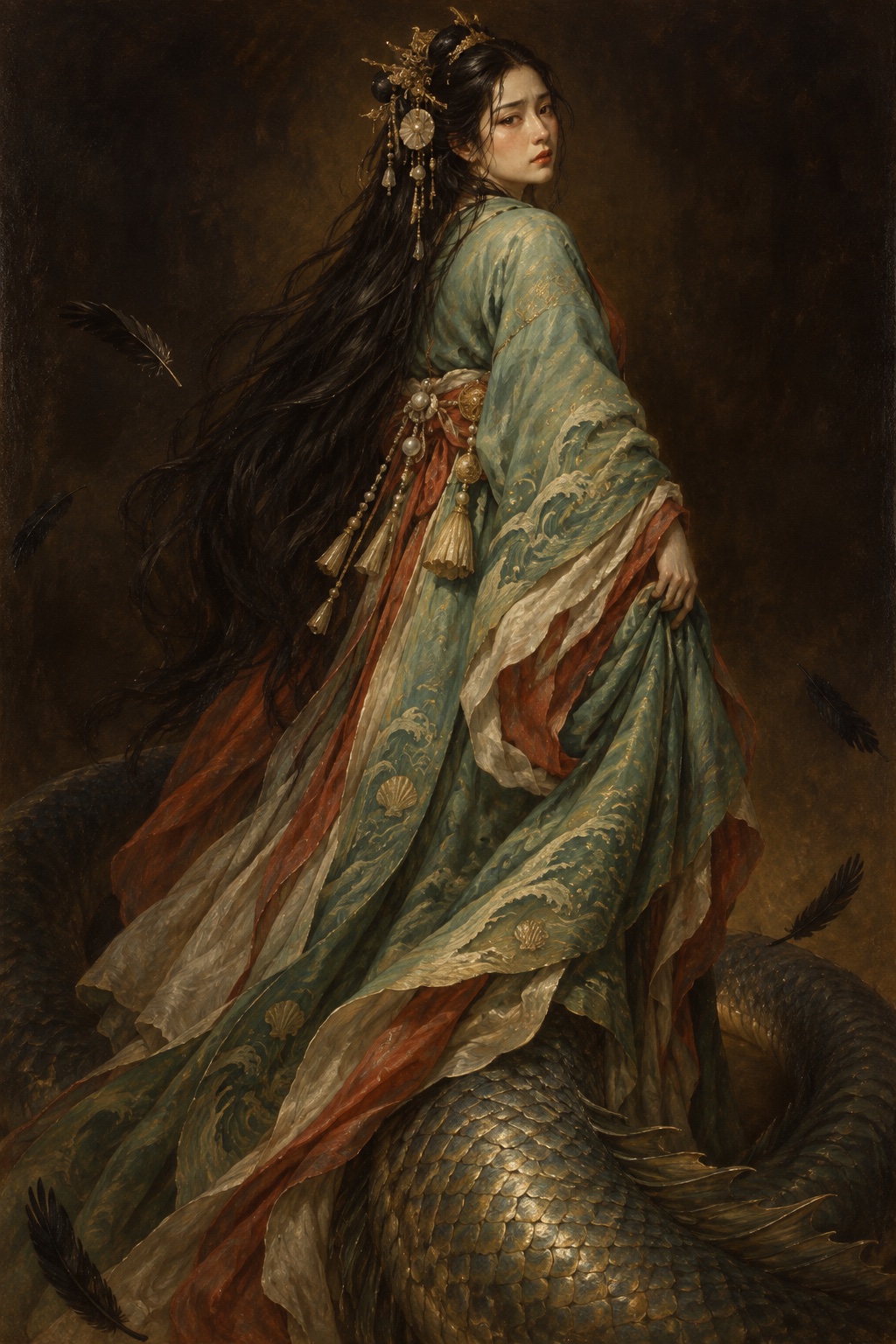
Toyotama-hime
sea · fertility
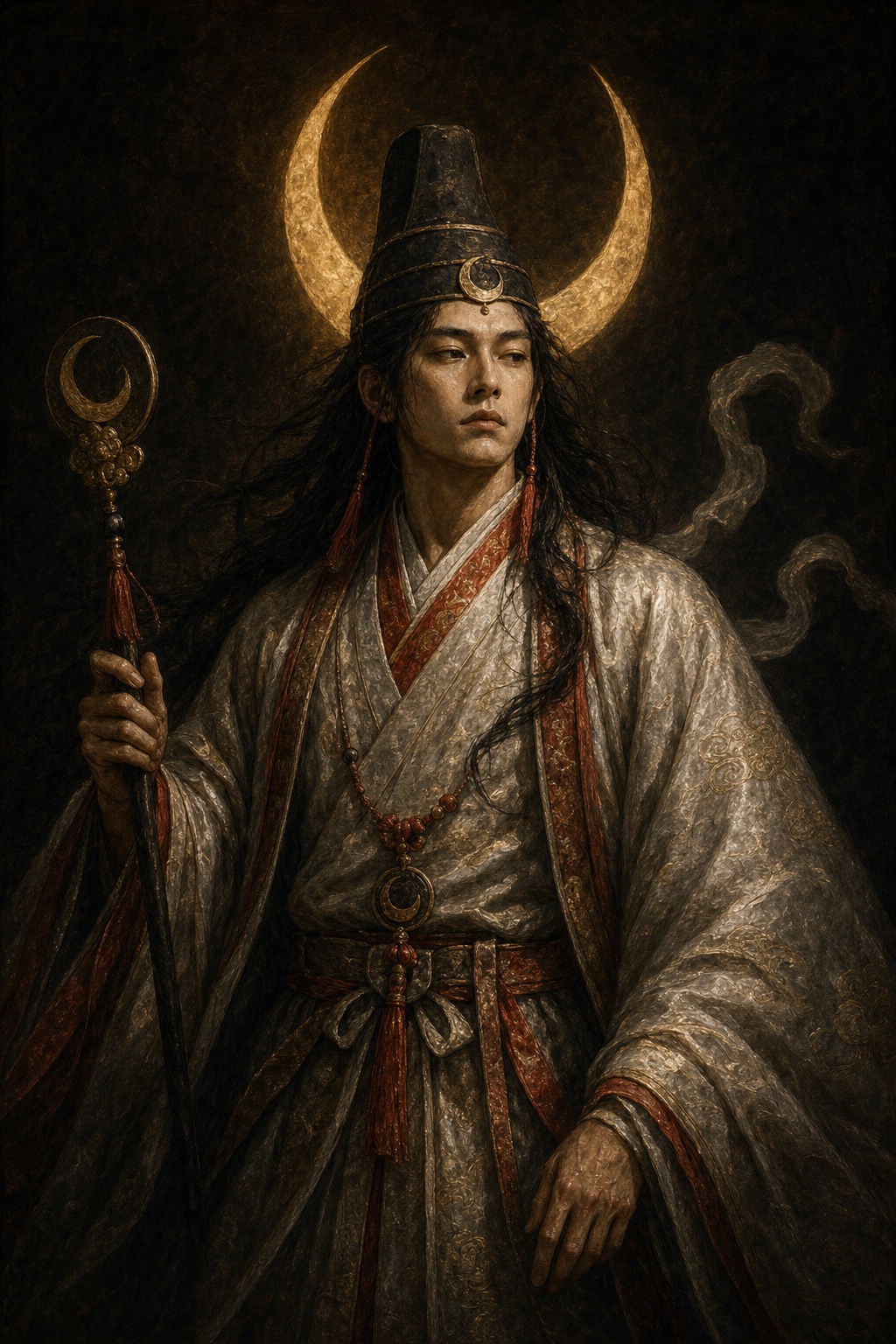
Tsukuyomi
moon · night · sky
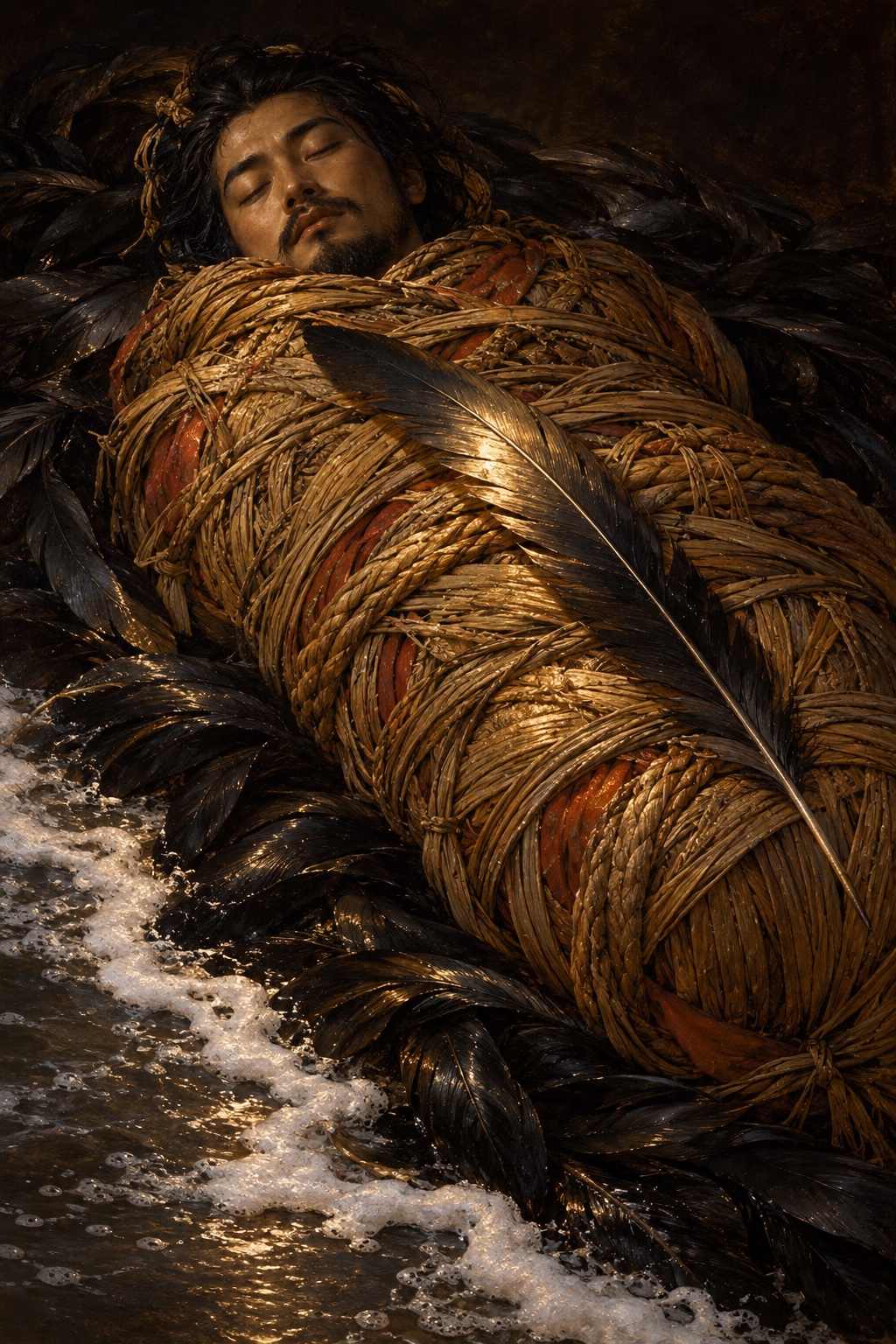
Ugayafukiaezu
sea · kingship
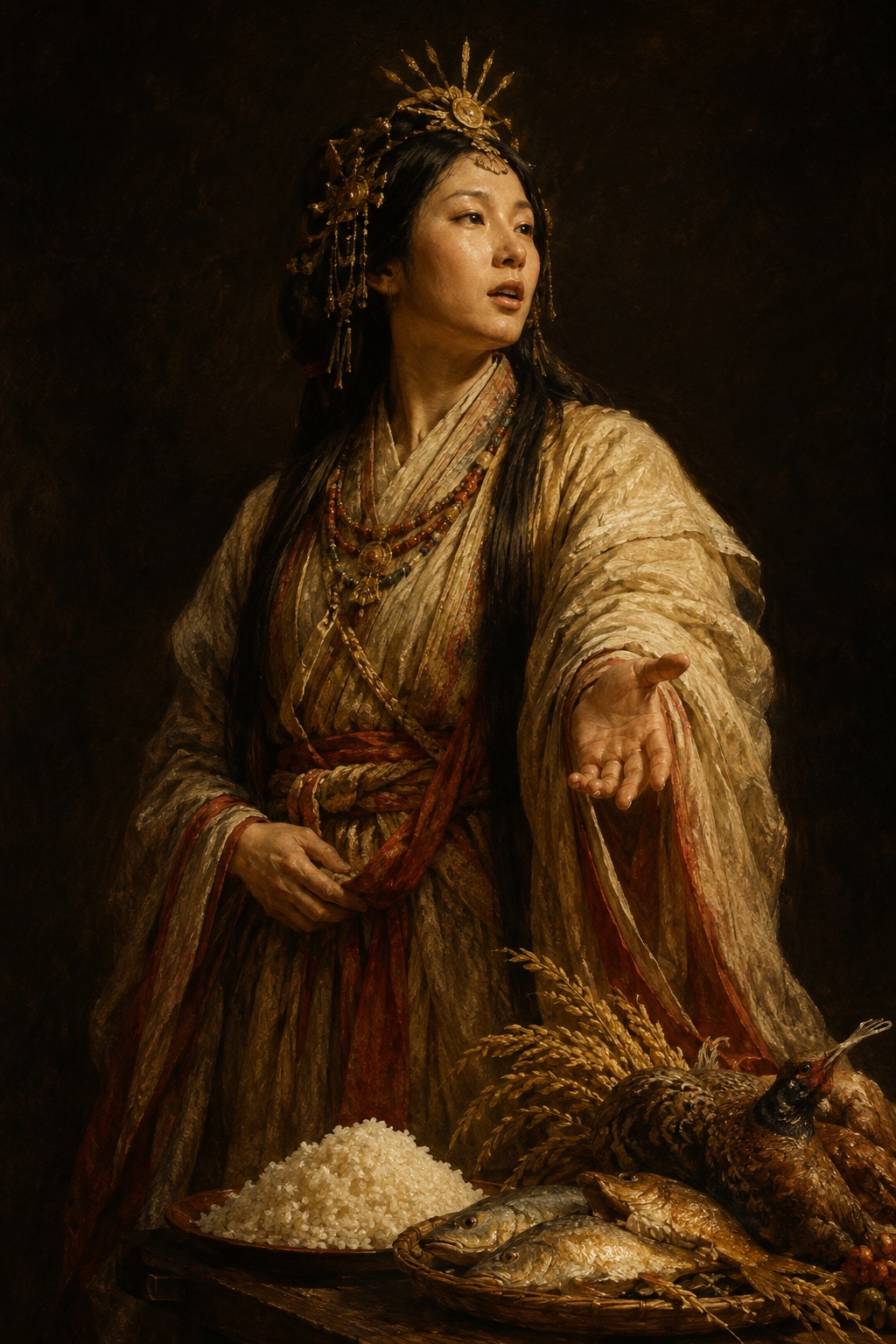
Uke Mochi
agriculture · fertility
Watatsumi
sea · magic
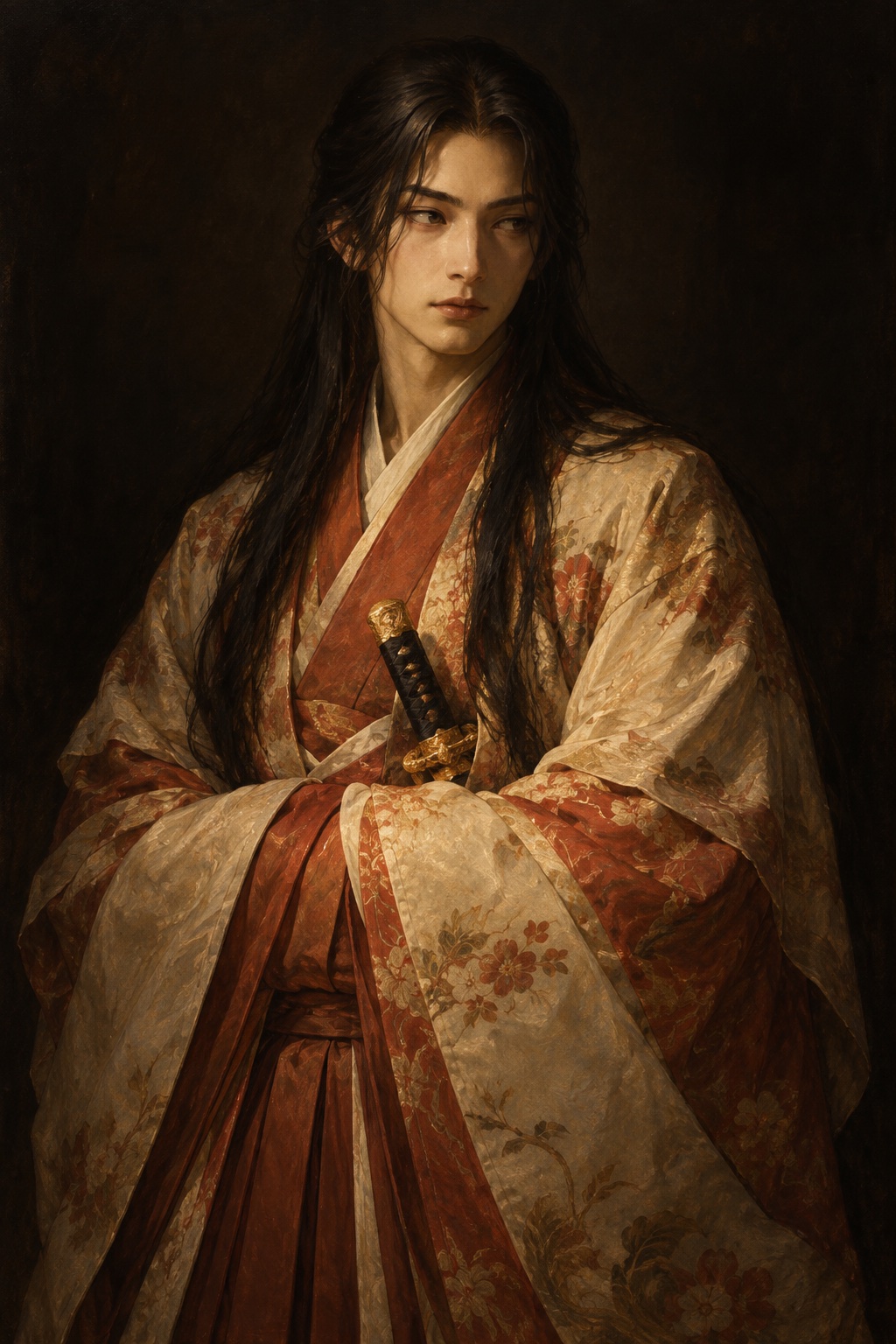
Yamato Takeru
war · travel
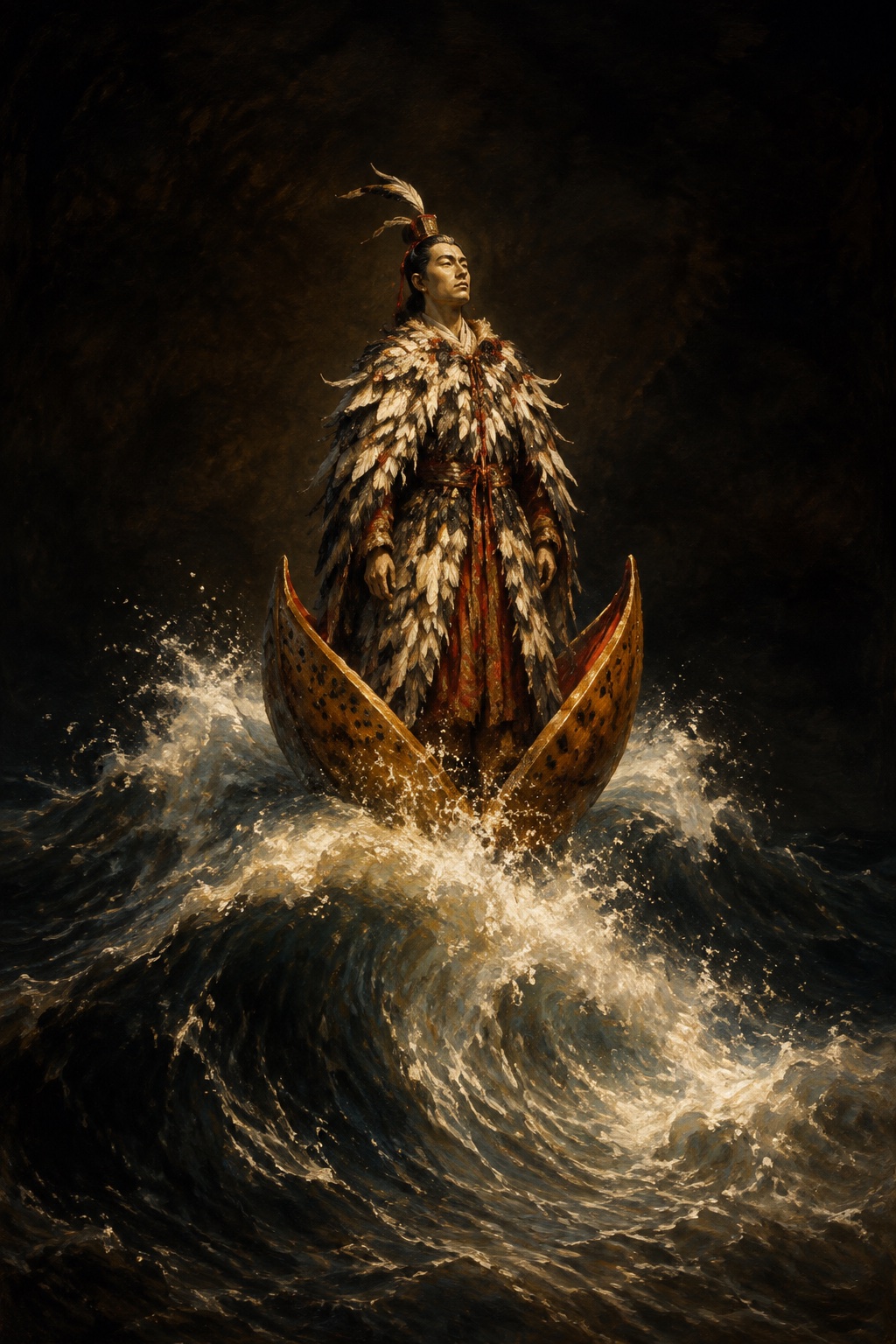
少名毘古那神
healing · creation · agriculture
Monsters
5 entries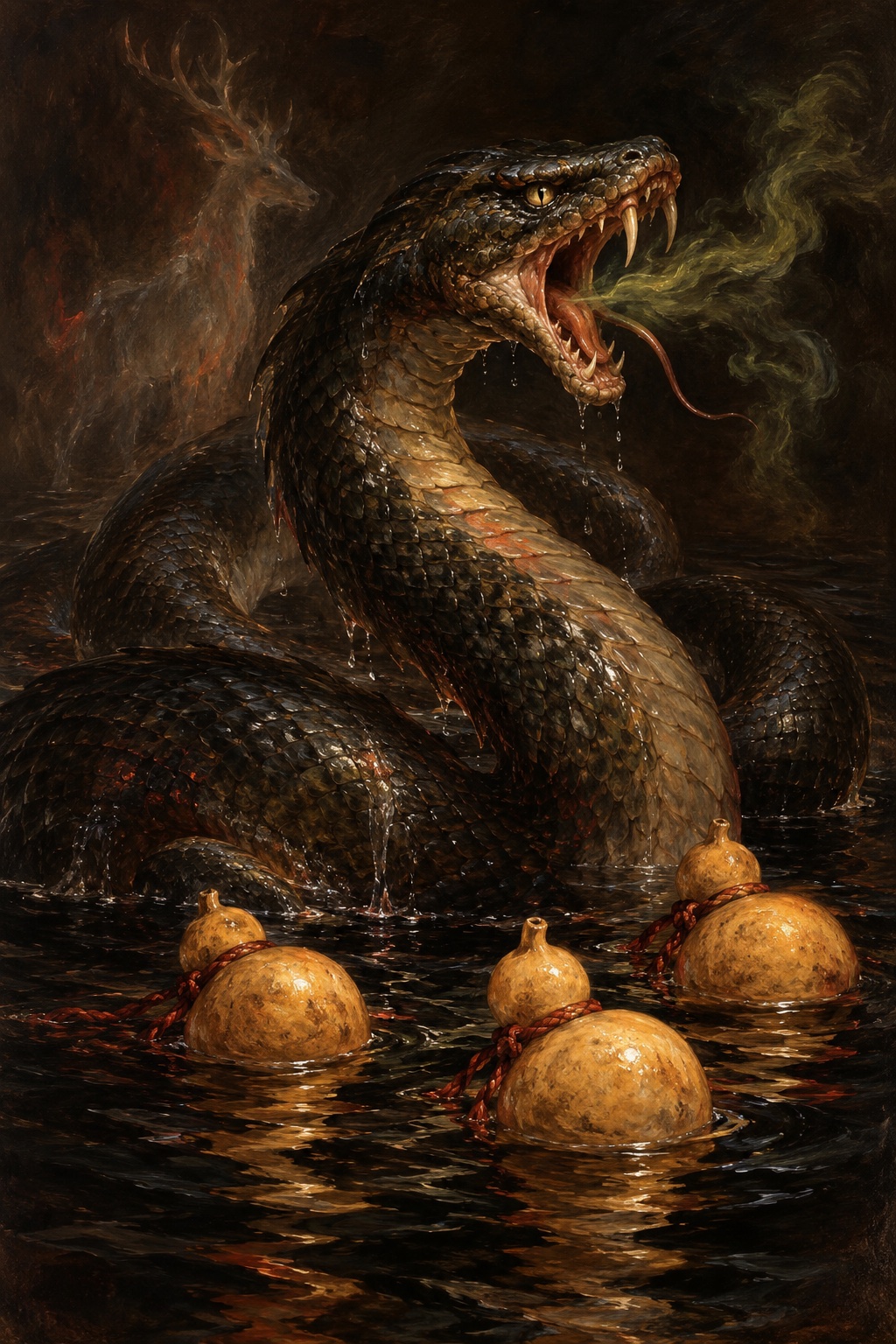
Mizuchi of Kawashima
A great water-snake at a fork of the Kawashima river in Kibi, whose poison killed many of the travellers who passed its pool, until Agata-mori threw three calabashes into the water, challenged it to sink them, and cut it down with all its tribe.
monsters · death
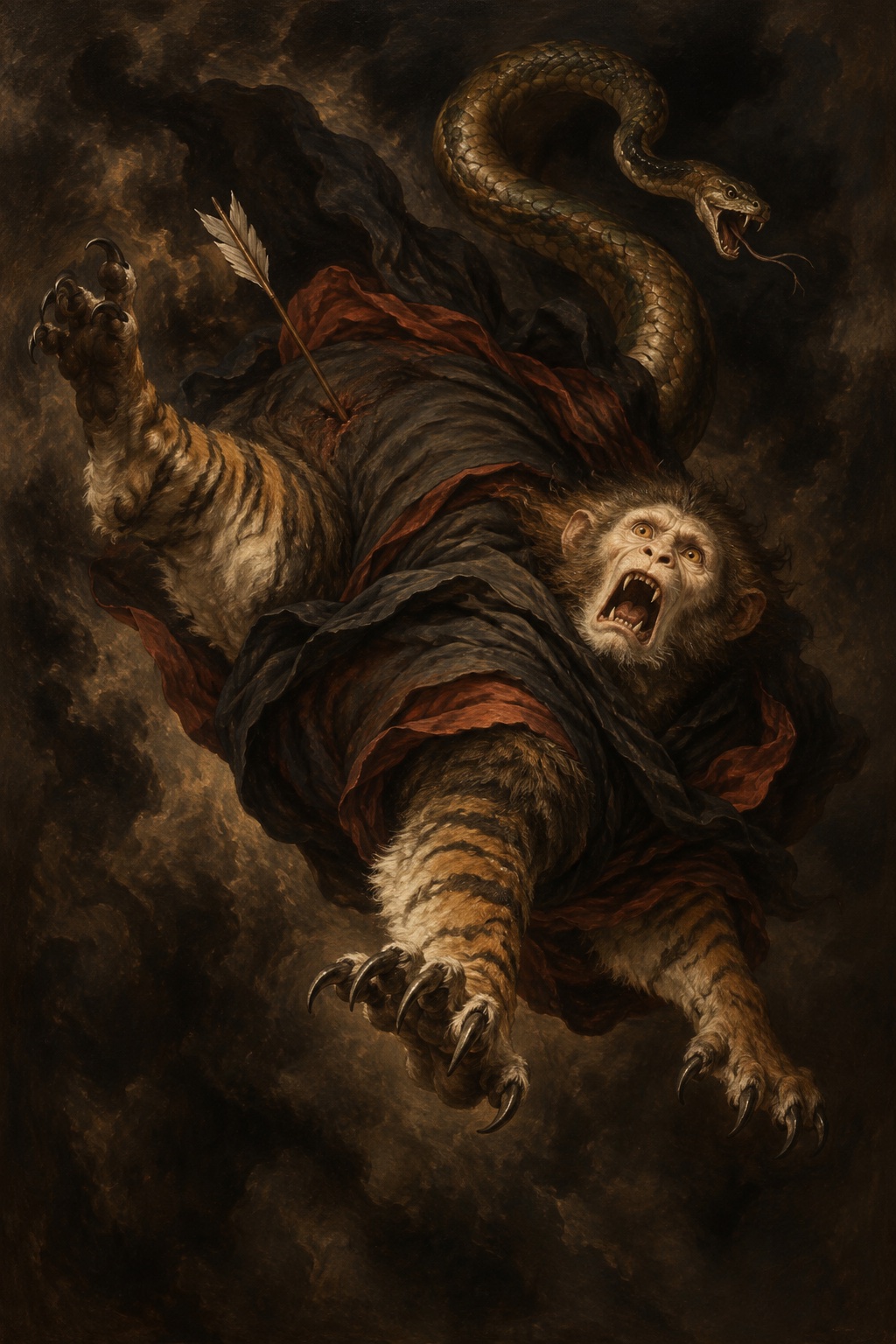
Nue
The thing in the black cloud that frightened Emperor Konoe night after night until Minamoto no Yorimasa shot it down: a monkey's head, a badger's body, a snake's tail, a tiger's feet, and a voice like a nue bird.
monsters · night
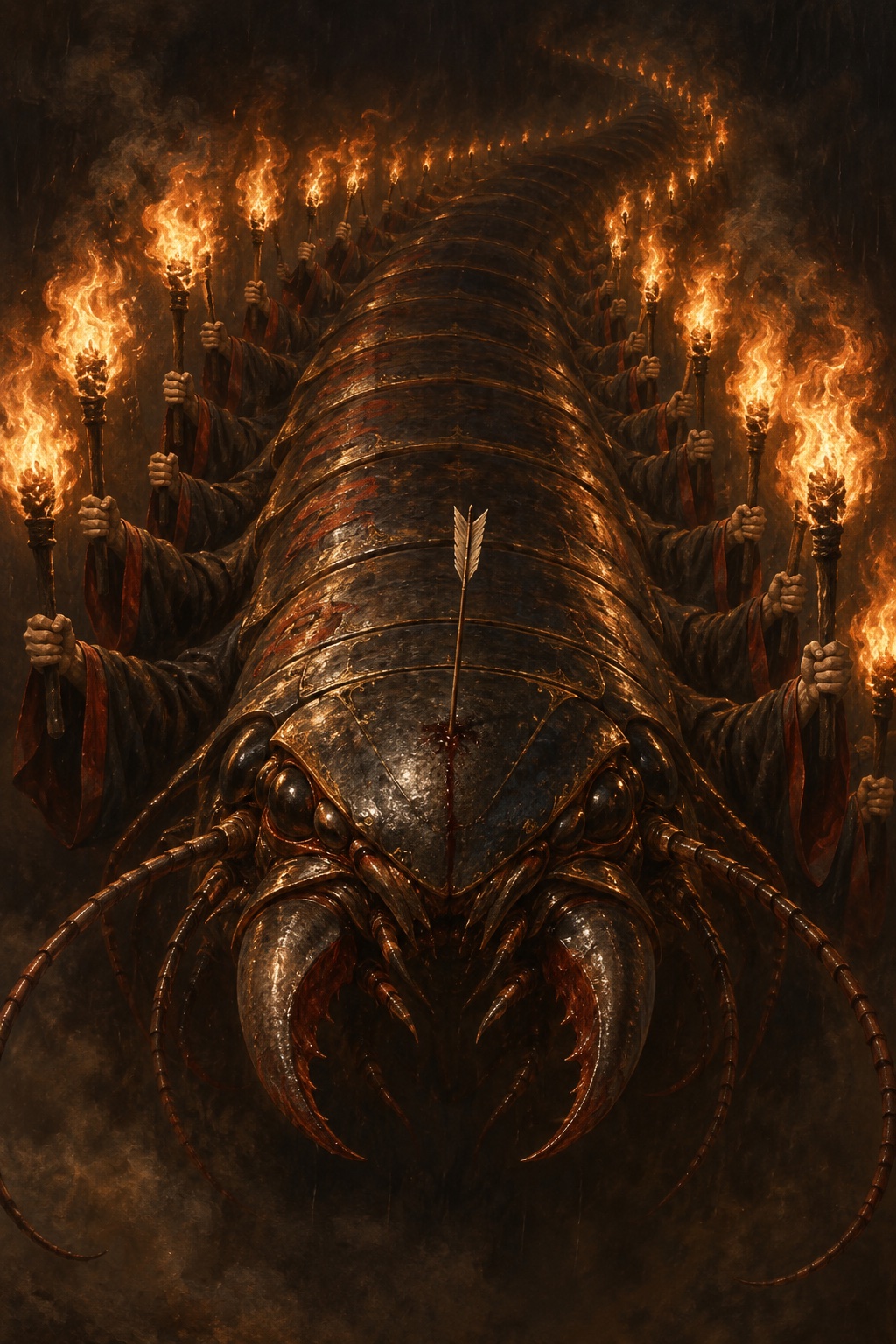
Ōmukade
The centipede that came against the dragon palace with two rows of torches burning in its own hands, and that Tawara Tōda Hidesato killed with his third arrow, spat upon.
monsters · night
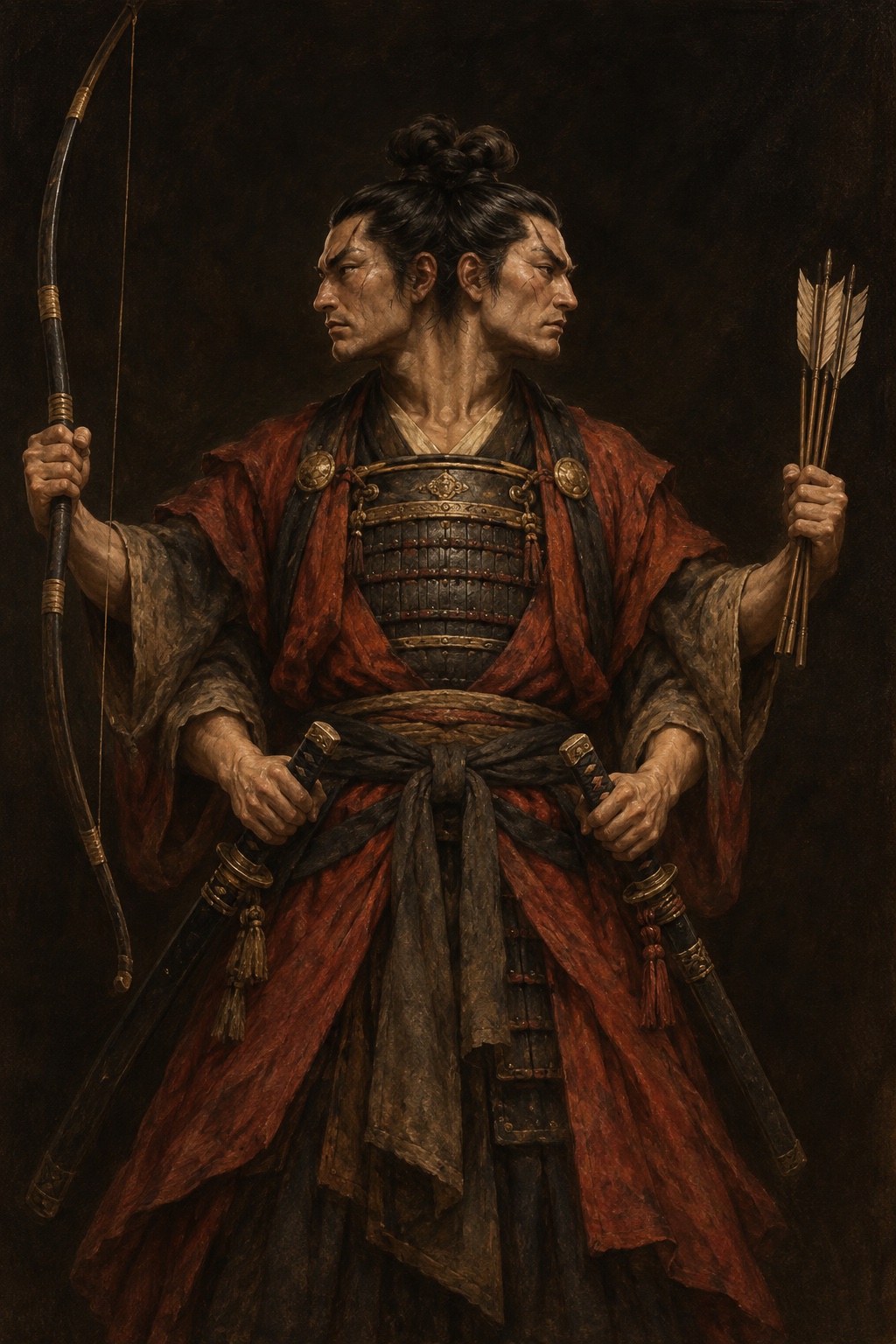
Ryōmen Sukuna
A man of Hida with two faces on one trunk and four hands for bow and arrow, who defied the imperial command and plundered the people until Take-furu-kuma was sent to put him to death.
monsters · war · chaos
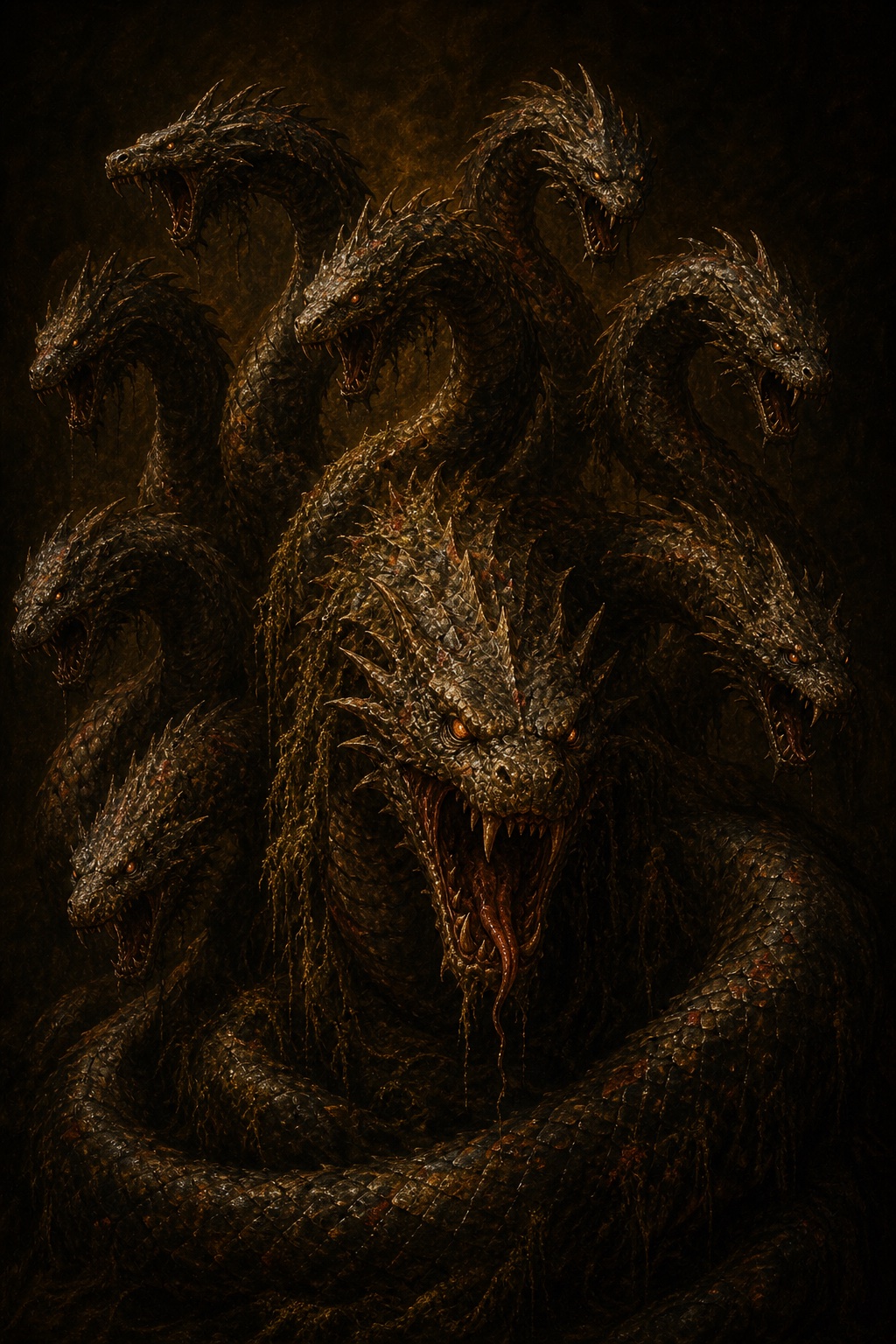
Yamata-no-Orochi
Eight heads, eight tails, and a taste for daughters — the serpent Susanoo killed with sake and steel.
chaos · monsters · death
Continue elsewhere