China and the Sinosphere · c. 1200 BC – present
Chinese mythology
Chinese mythology has no single scripture. It accumulated: Shang diviners cracking oracle bones in the second millennium BC, the strange geography of the Shanhaijing, Han philosophers in the Huainanzi explaining how the sky came to be broken, Sima Qian folding legendary sovereigns into dynastic history, and — much later — the Ming novel Journey to the West, which gave the pantheon its most famous troublemaker. What holds it together is an administrative habit of mind. Heaven is a court with departments and paperwork; gods hold rank, are promoted, demoted, and petitioned; even death is a matter of names entered in a register. The recurring drama is what happens when something refuses to be filed.
- Region
- China and the Sinosphere
- Era
- c. 1200 BC – present
- Language
- Old Chinese
- Chief deity
- The Jade Emperor
- Figures
- 43 entries · 13 gods · 6 goddesses · 1 primordial · 11 heroes · 1 spirit · 11 monsters
- Sources
- Shanhaijing · Chuci · Huainanzi · Shiji · Shangshu · Journey to the West
The register and what escapes it
Tianting
The Celestial Court: heaven run as an empire, with ranks, registers, and a mandate that can be withdrawn.
Hundun
Primordial chaos — the formless age before the ledger, and everything that still refuses a place in it.
Pangu · Nüwa · Sun Wukong · Chiyou
Gods & goddesses
32 entries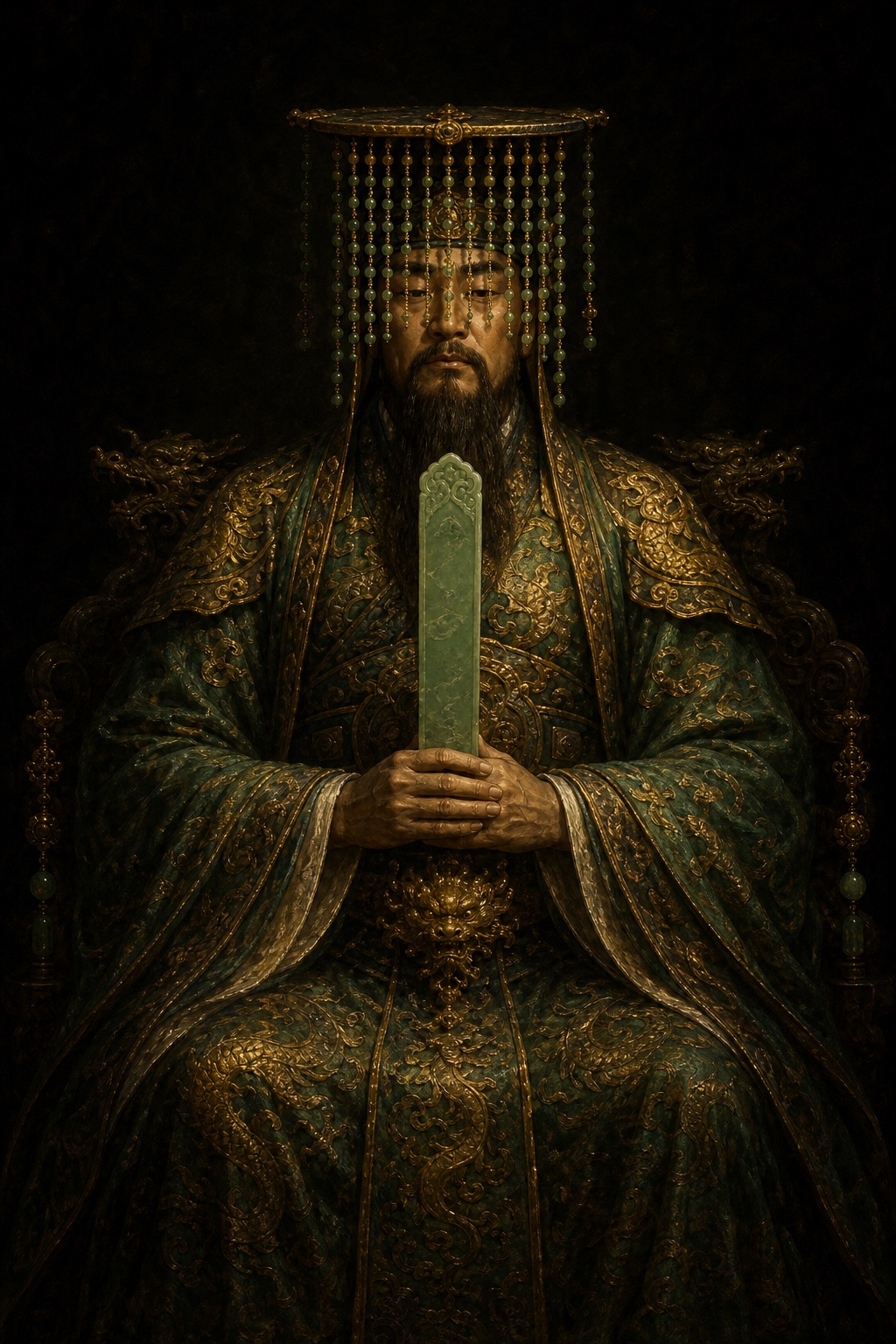
The Jade Emperor
Sovereign of heaven, who rules a sky organised as a civil service and keeps the paperwork.
kingship · sky · order · justice
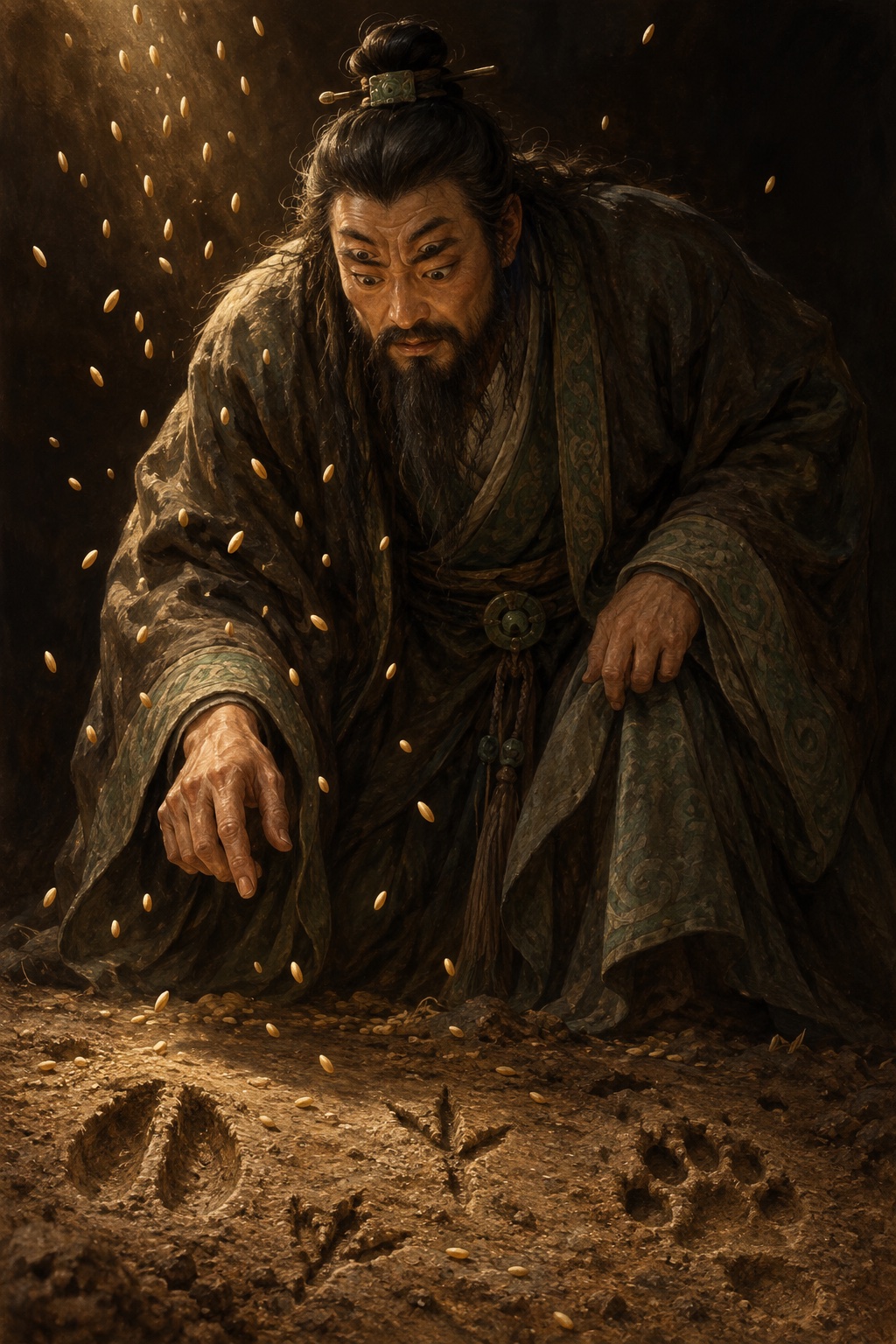
Cangjie
writing · wisdom
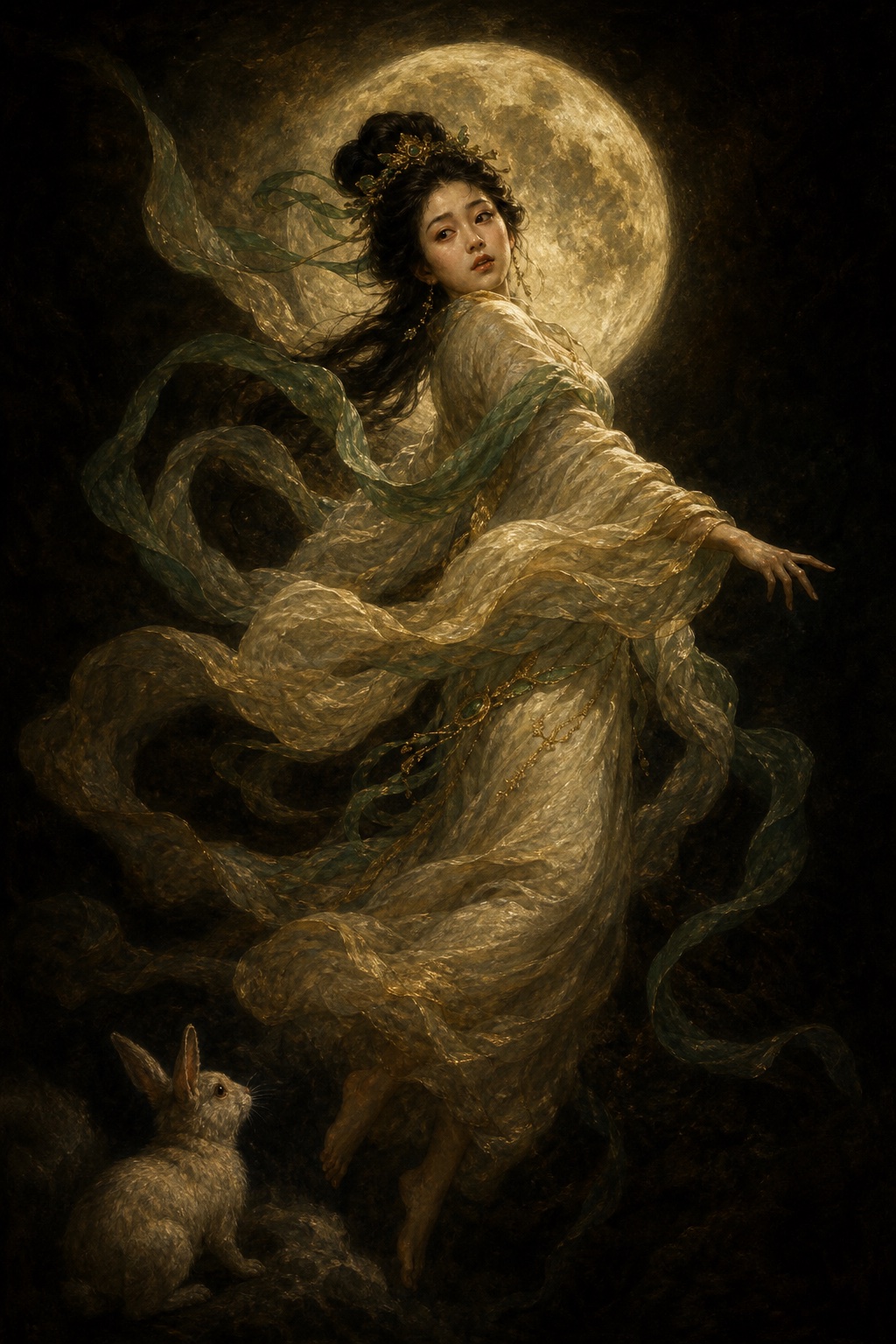
Chang'e
moon · immortality · night
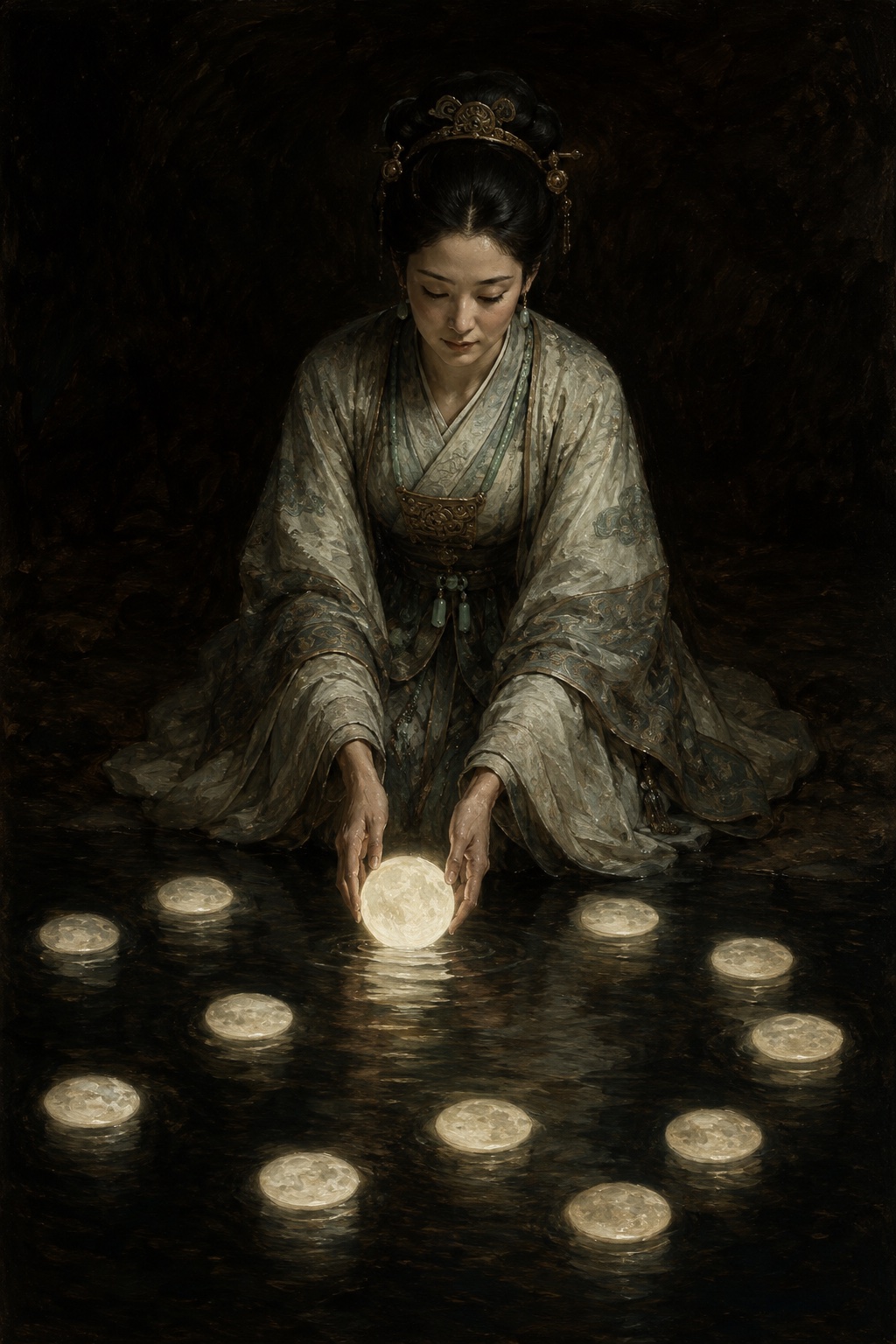
Changxi
moon · night · order
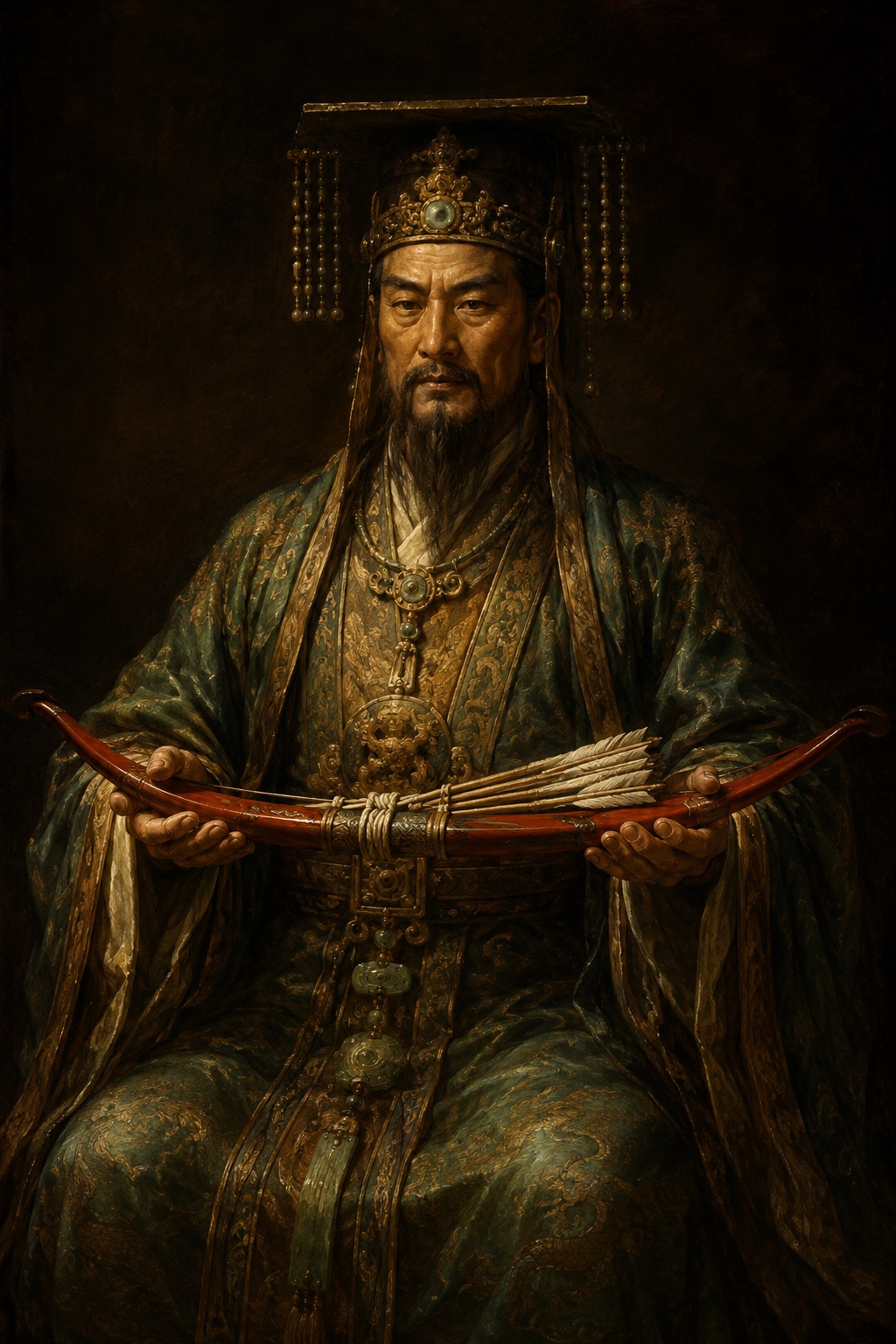
Dijun
kingship · sky · protection
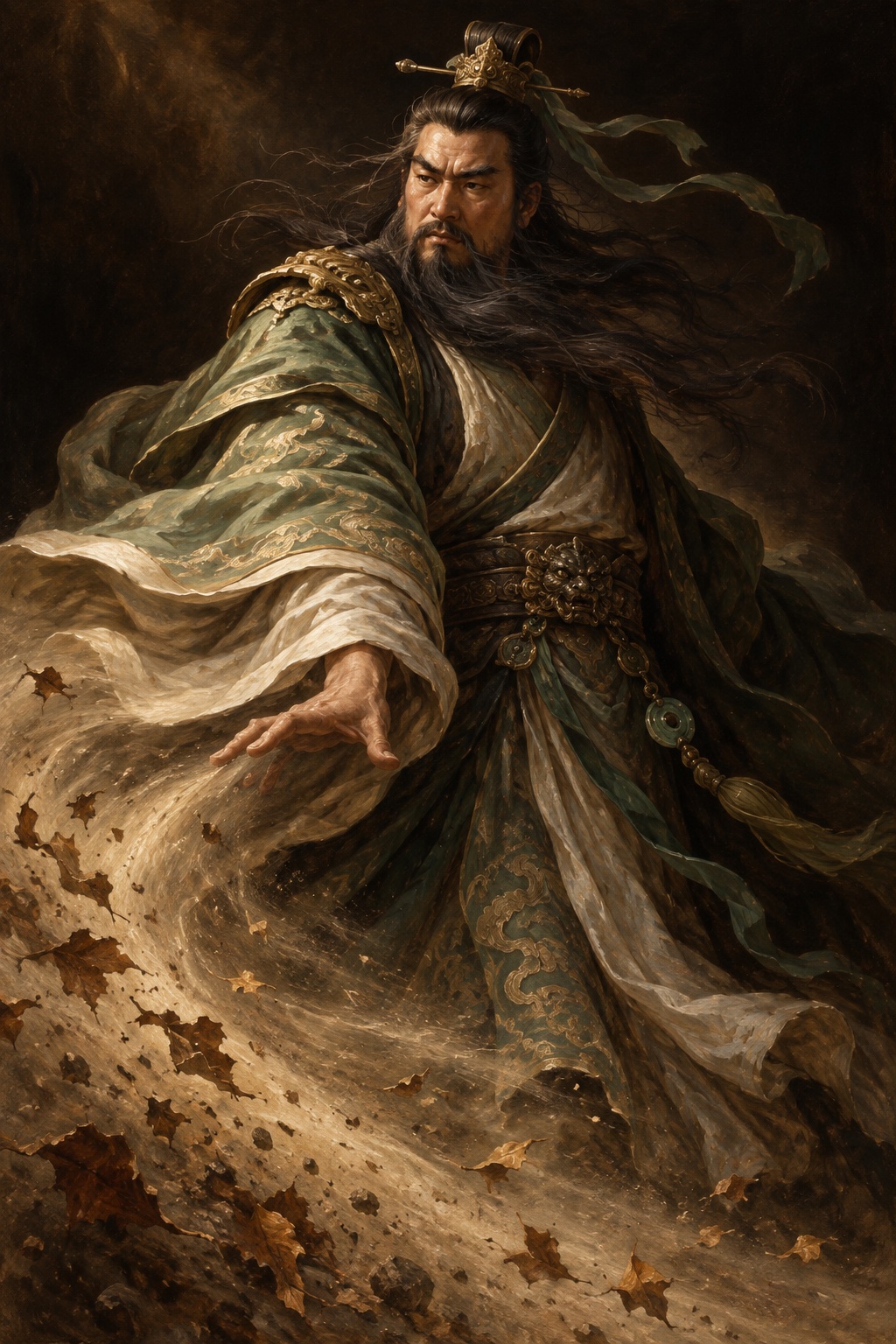
Fengbo
storms · war
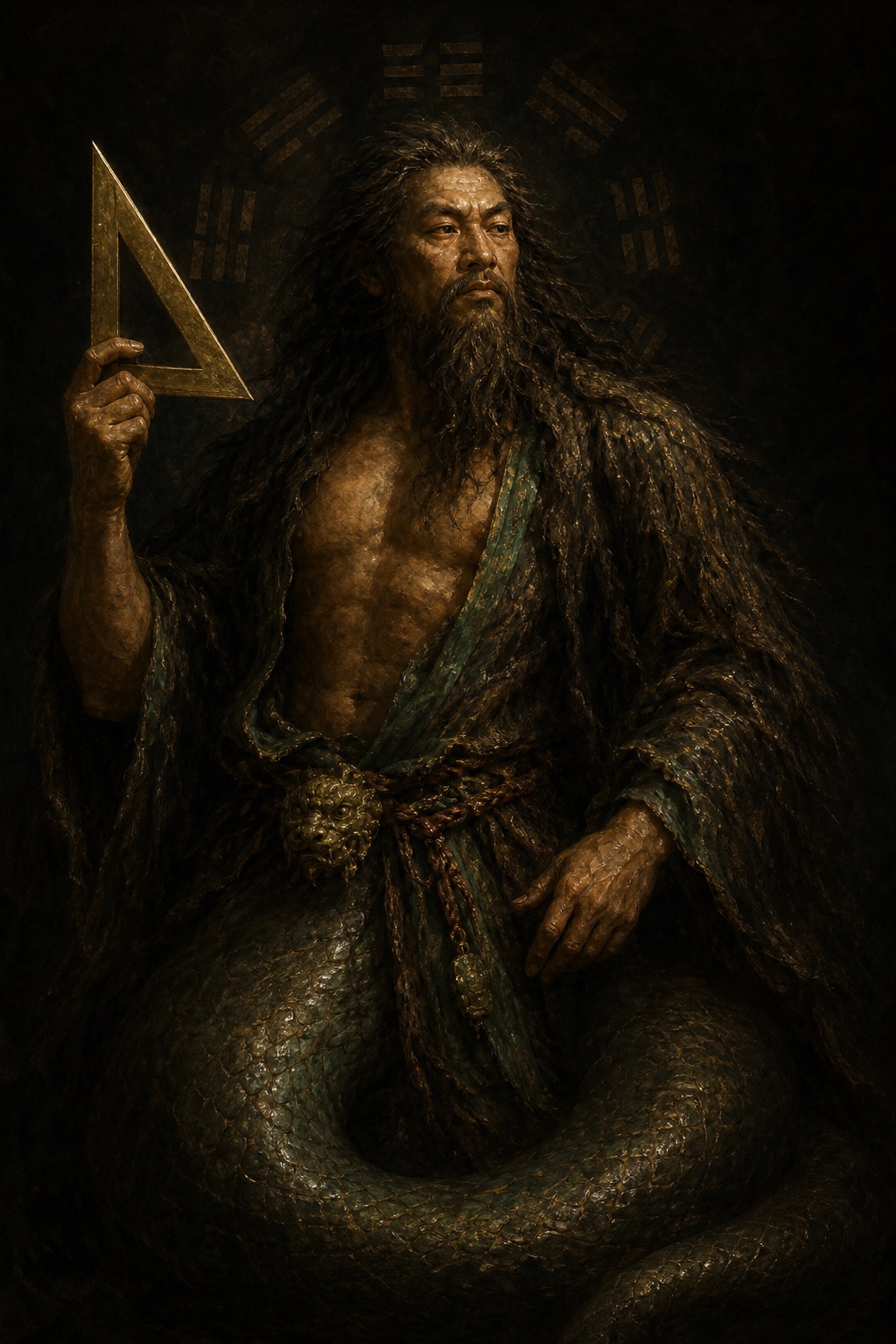
Fu Xi
creation · wisdom · writing · fate
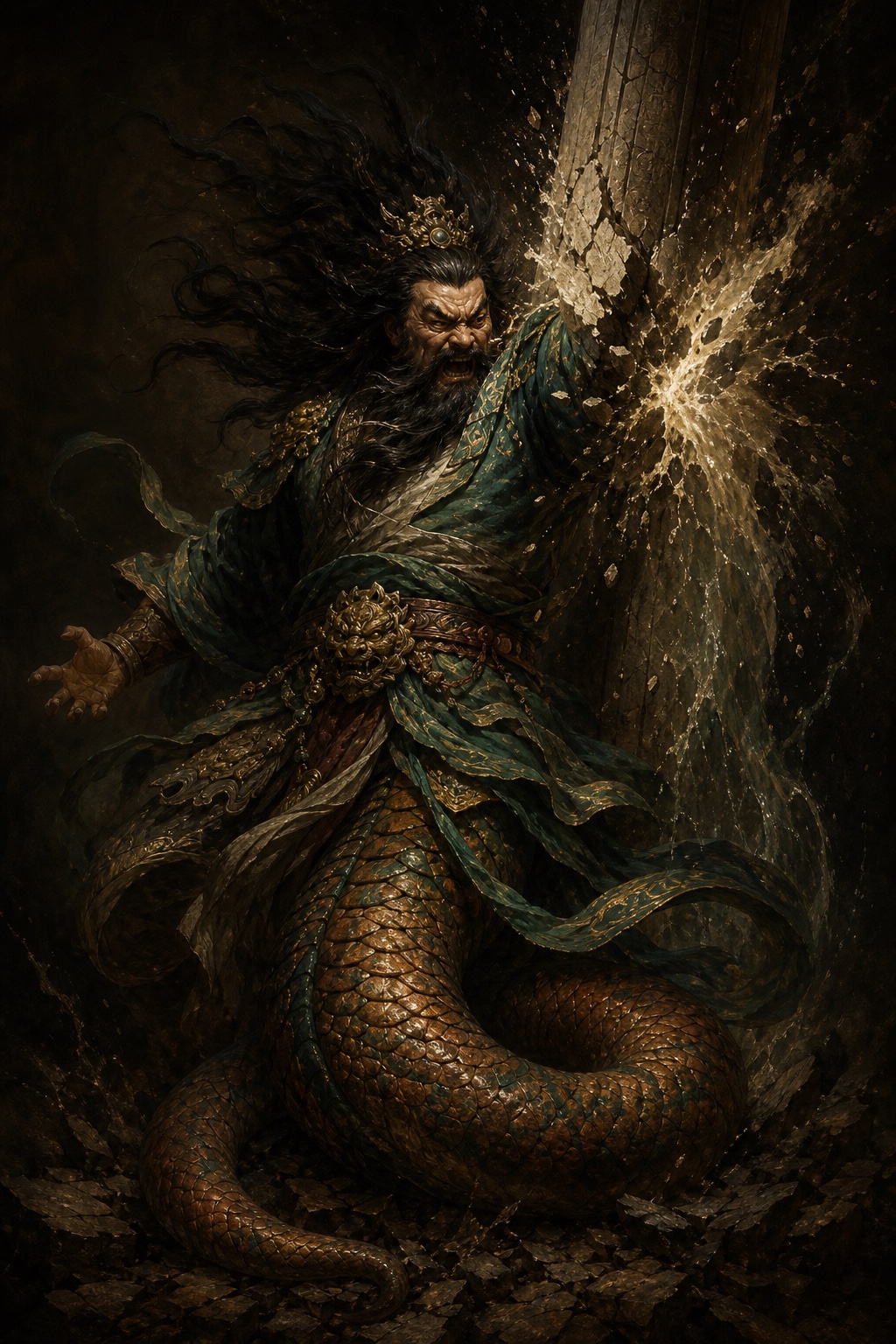
Gong Gong
chaos · sea
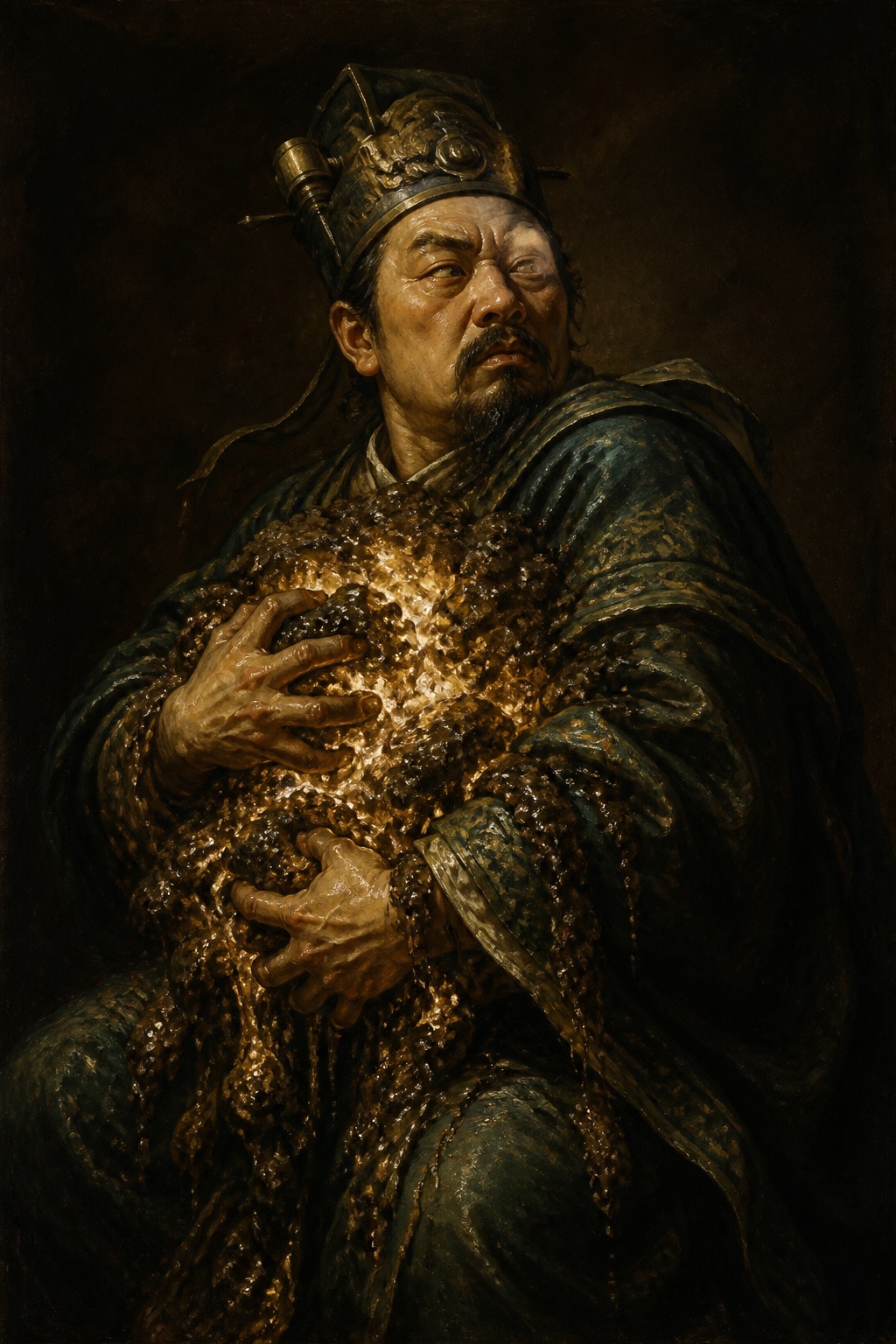
Gun
chaos · sea
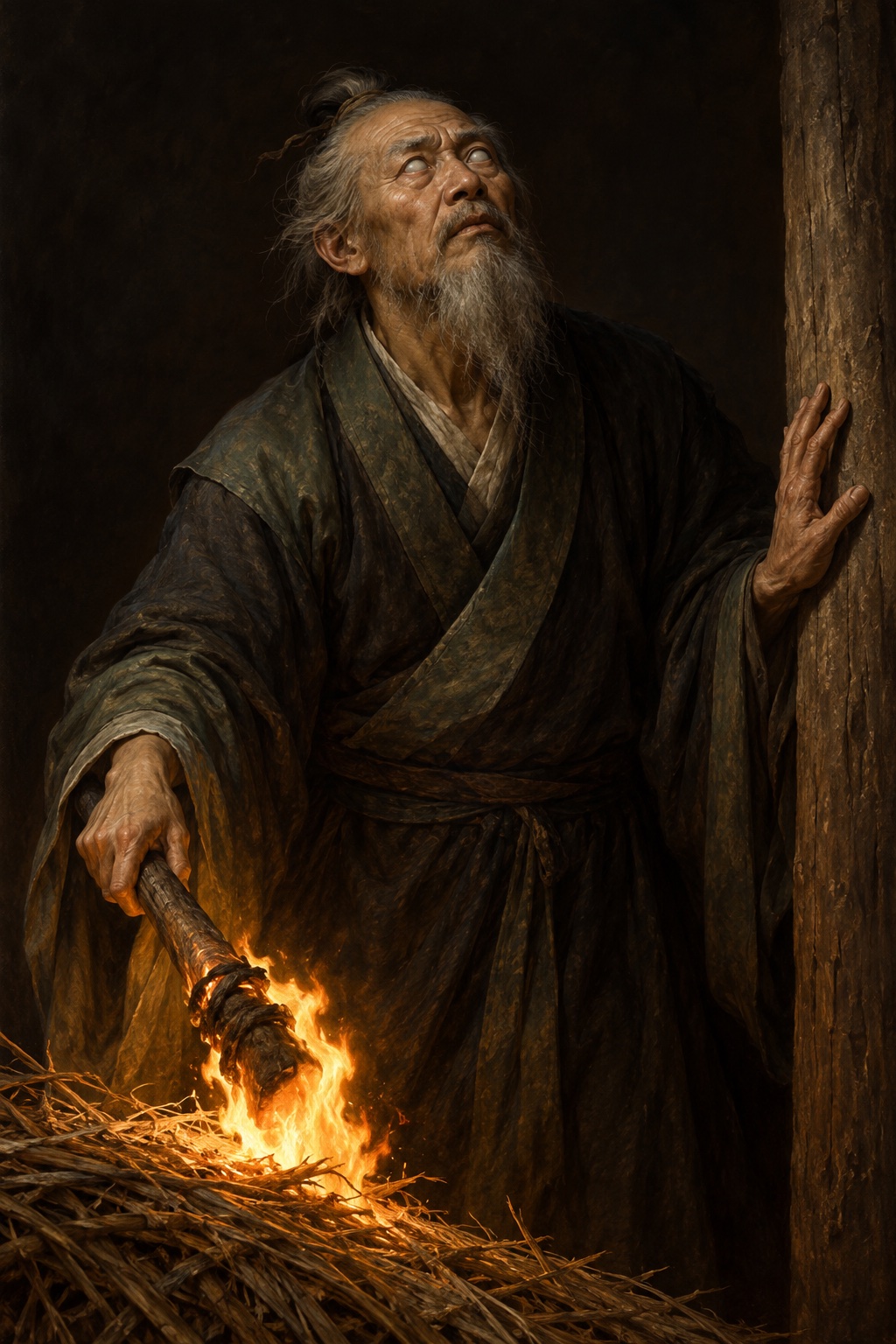
Gusou
trickery
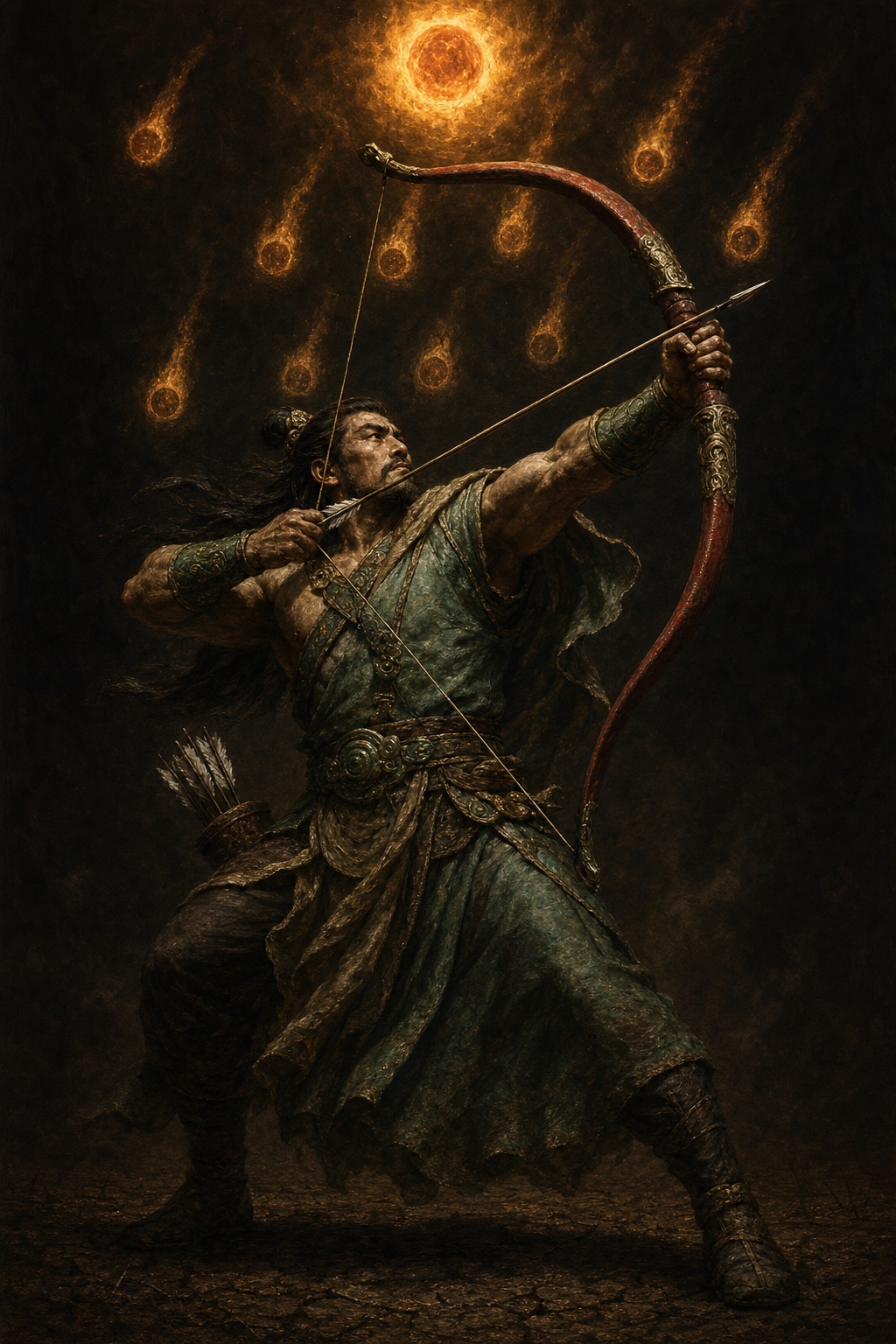
Hou Yi
sun · war · protection · immortality
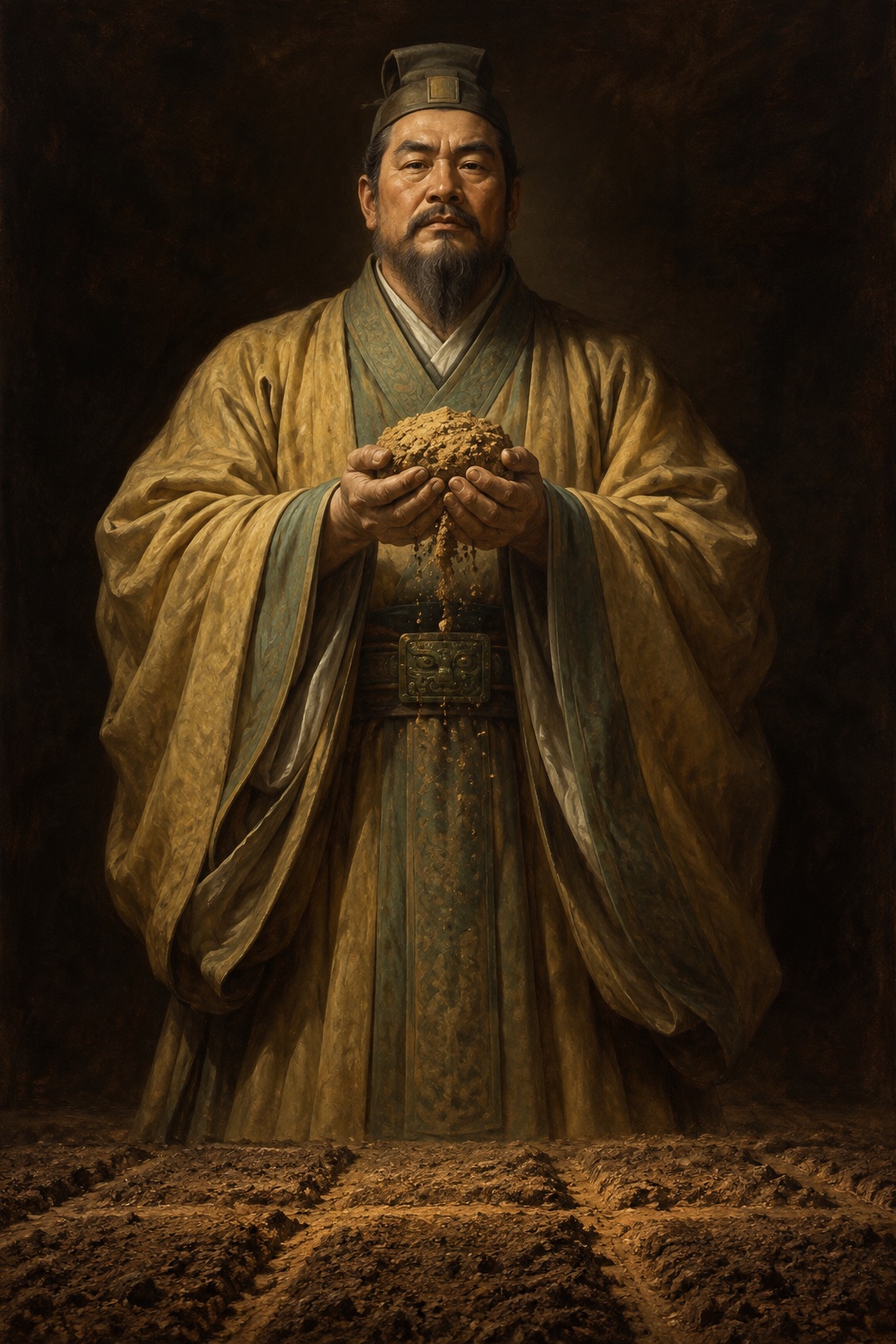
Houji
agriculture · order
Houtu
agriculture · order · kingship
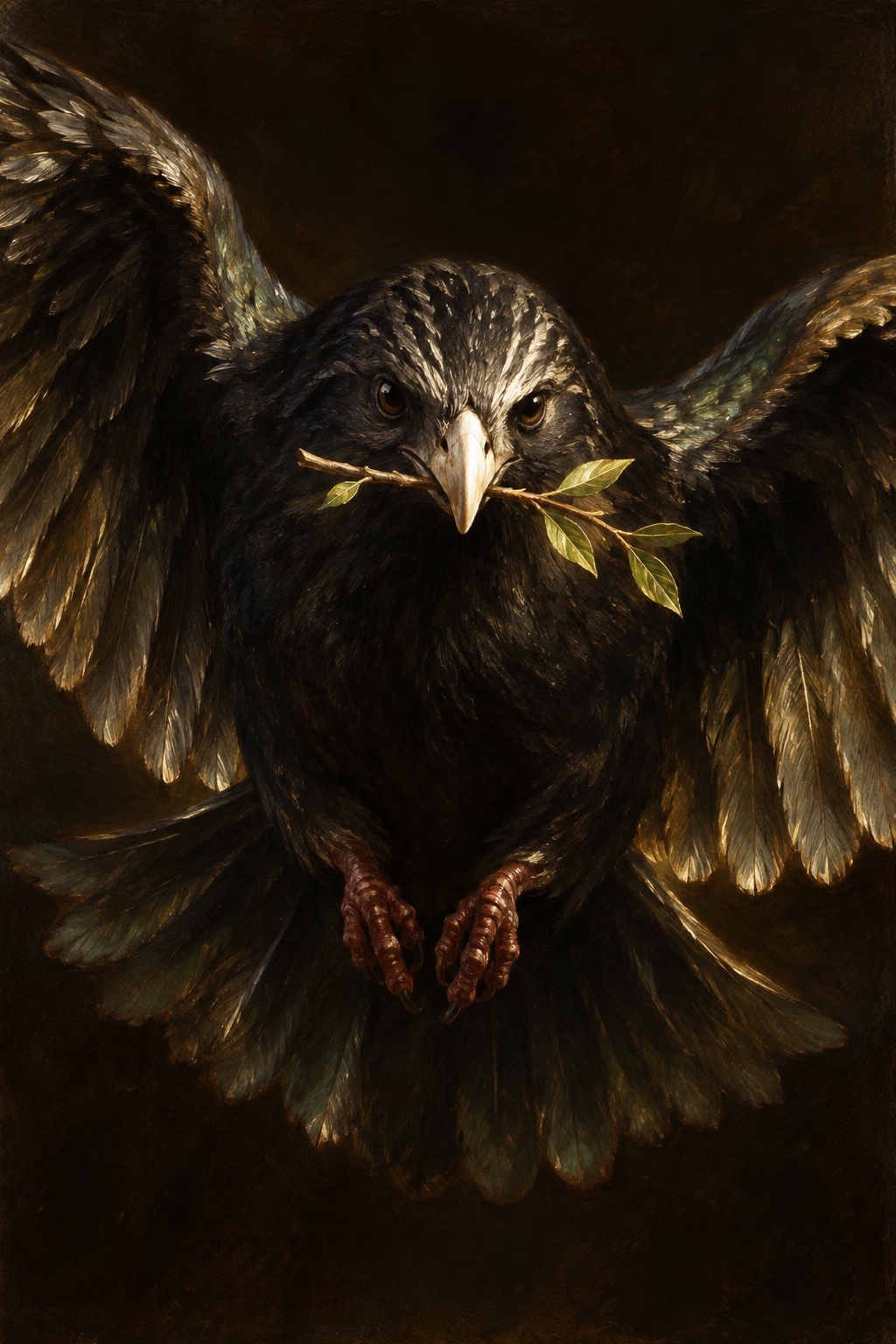
Jingwei
sea · rebirth · fate
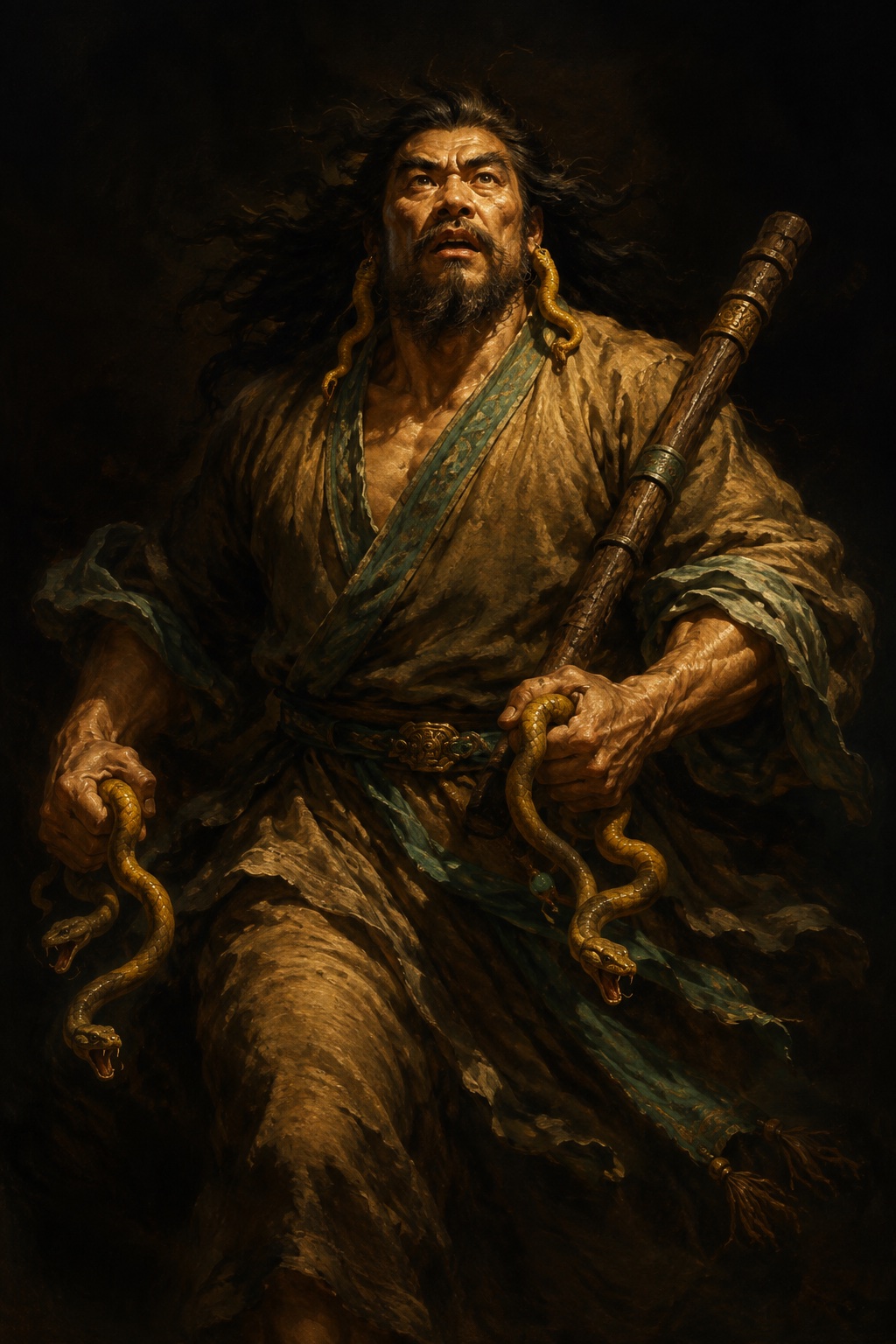
Kuafu
sun · travel
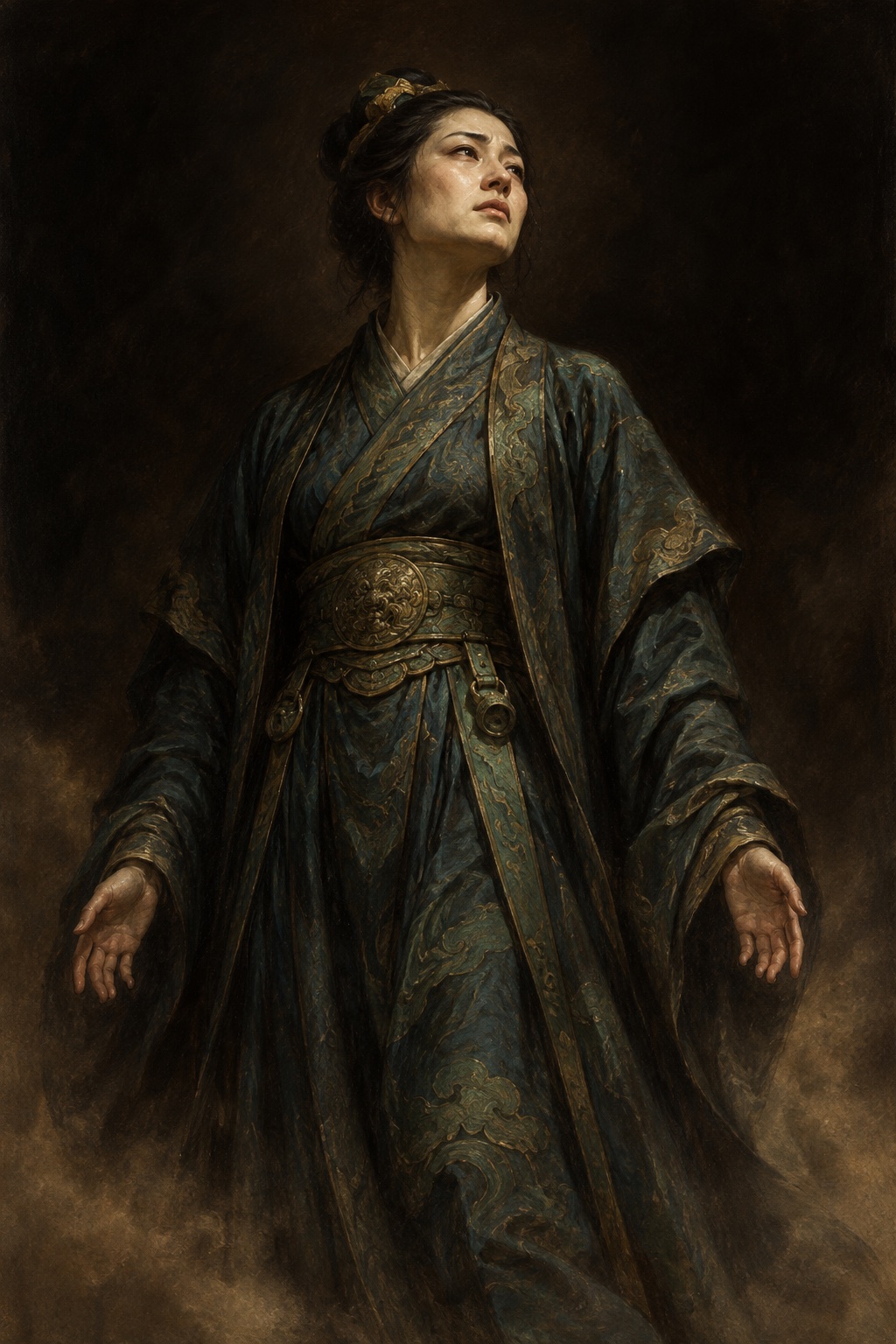
Nüba
sky · war · chaos
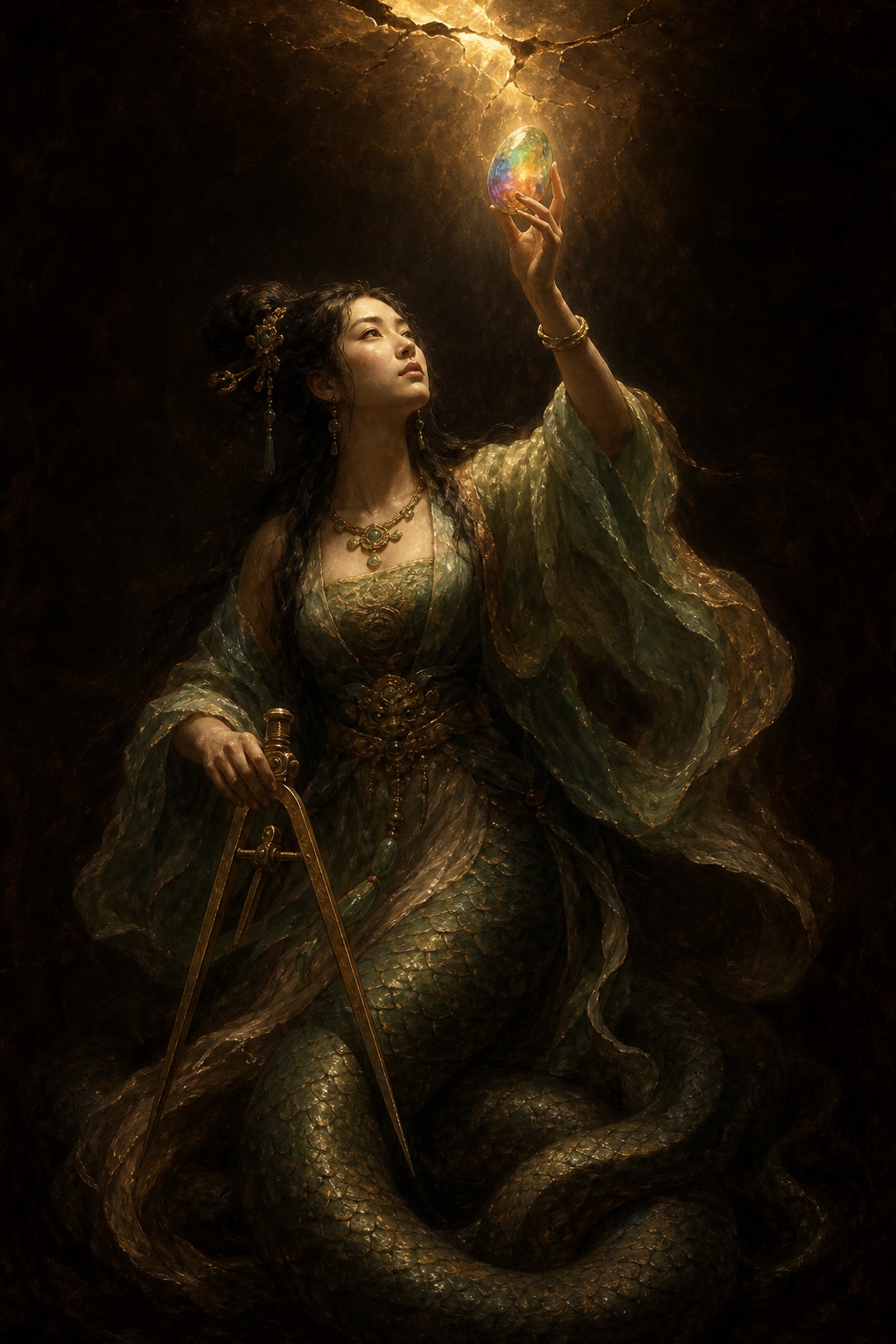
Nüwa
creation · protection · order · magic
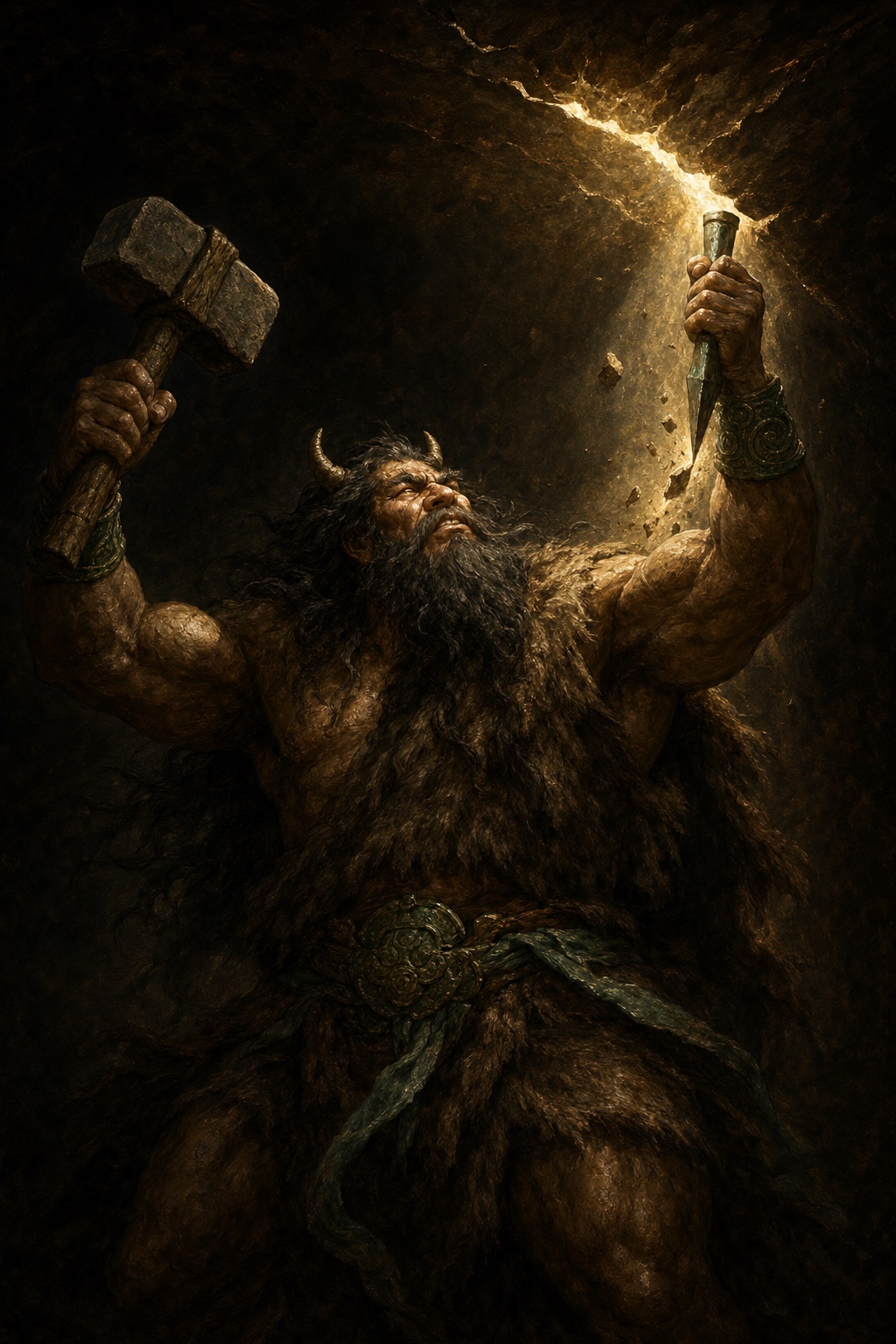
Pangu
creation · chaos · order
Qi
kingship · war · music
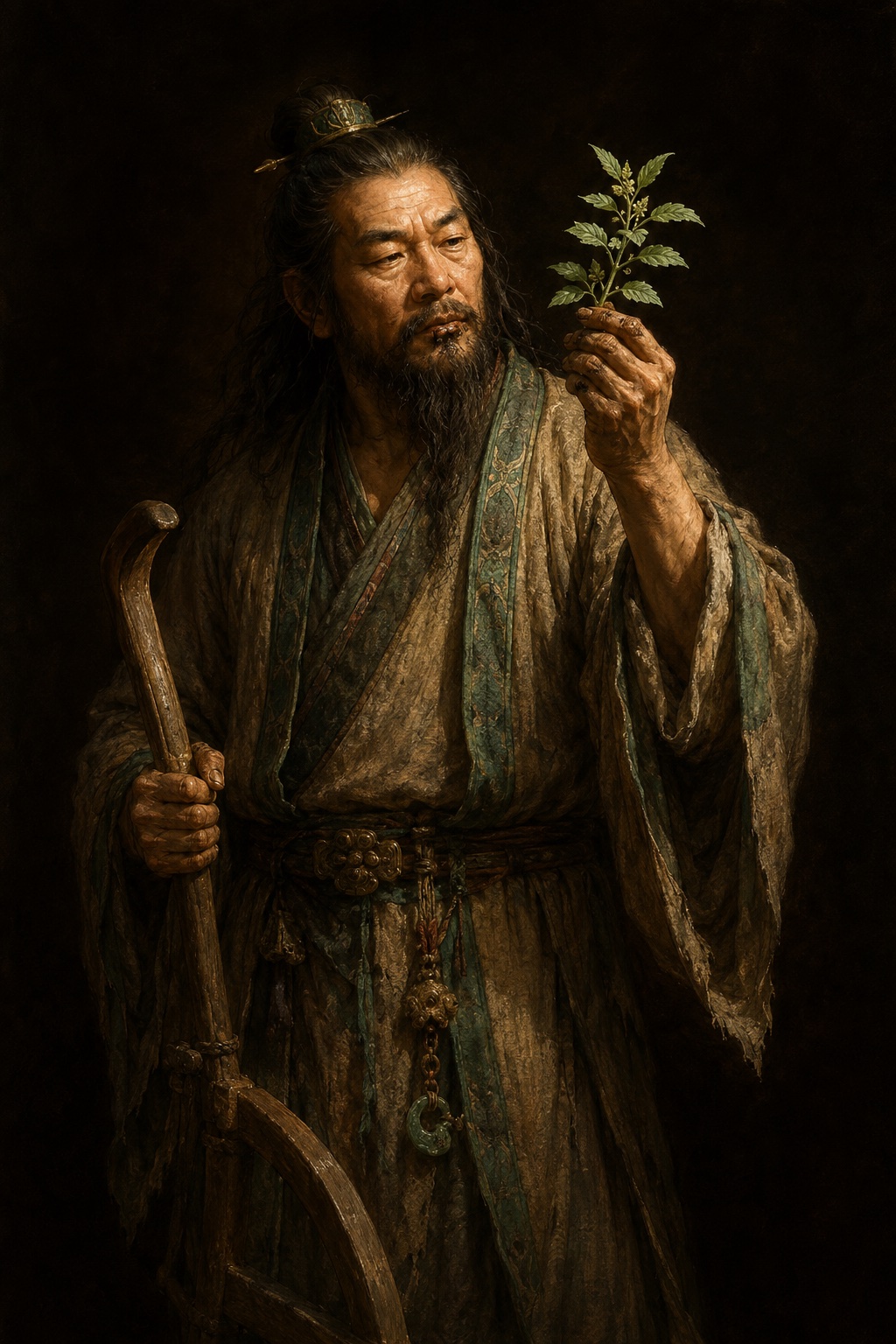
Shennong
agriculture · healing · order
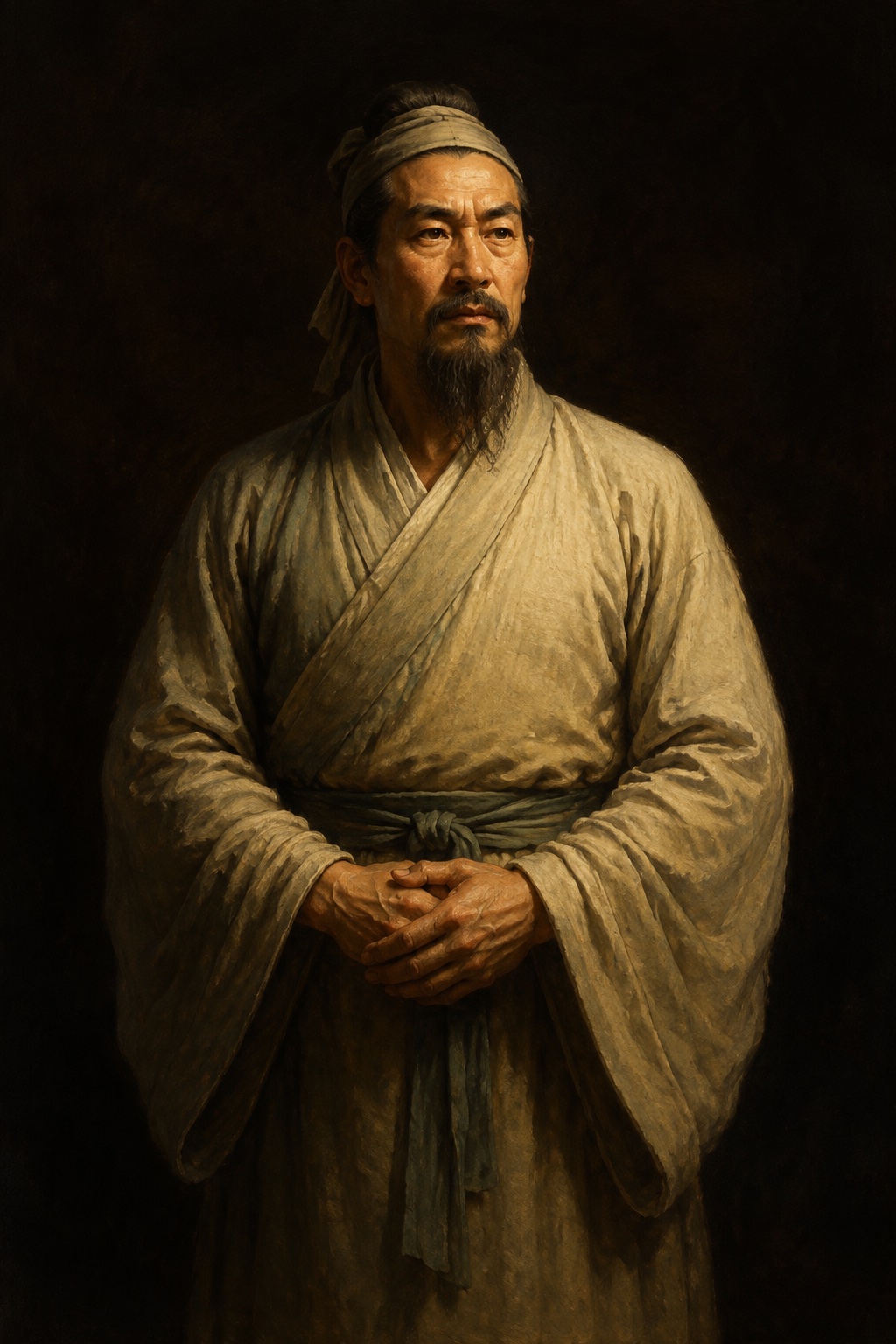
Shun
kingship · justice · order
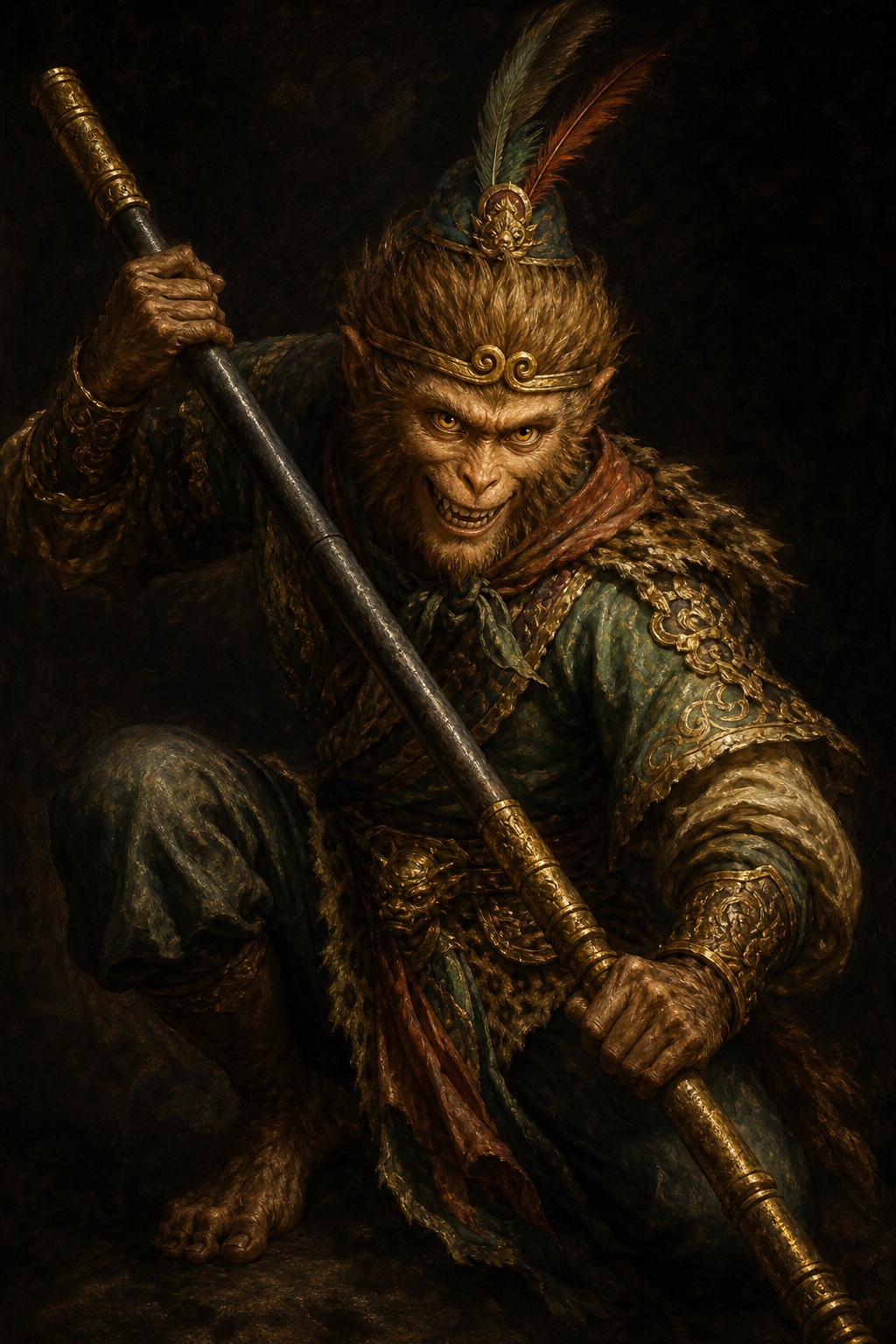
Sun Wukong
trickery · chaos · magic · immortality
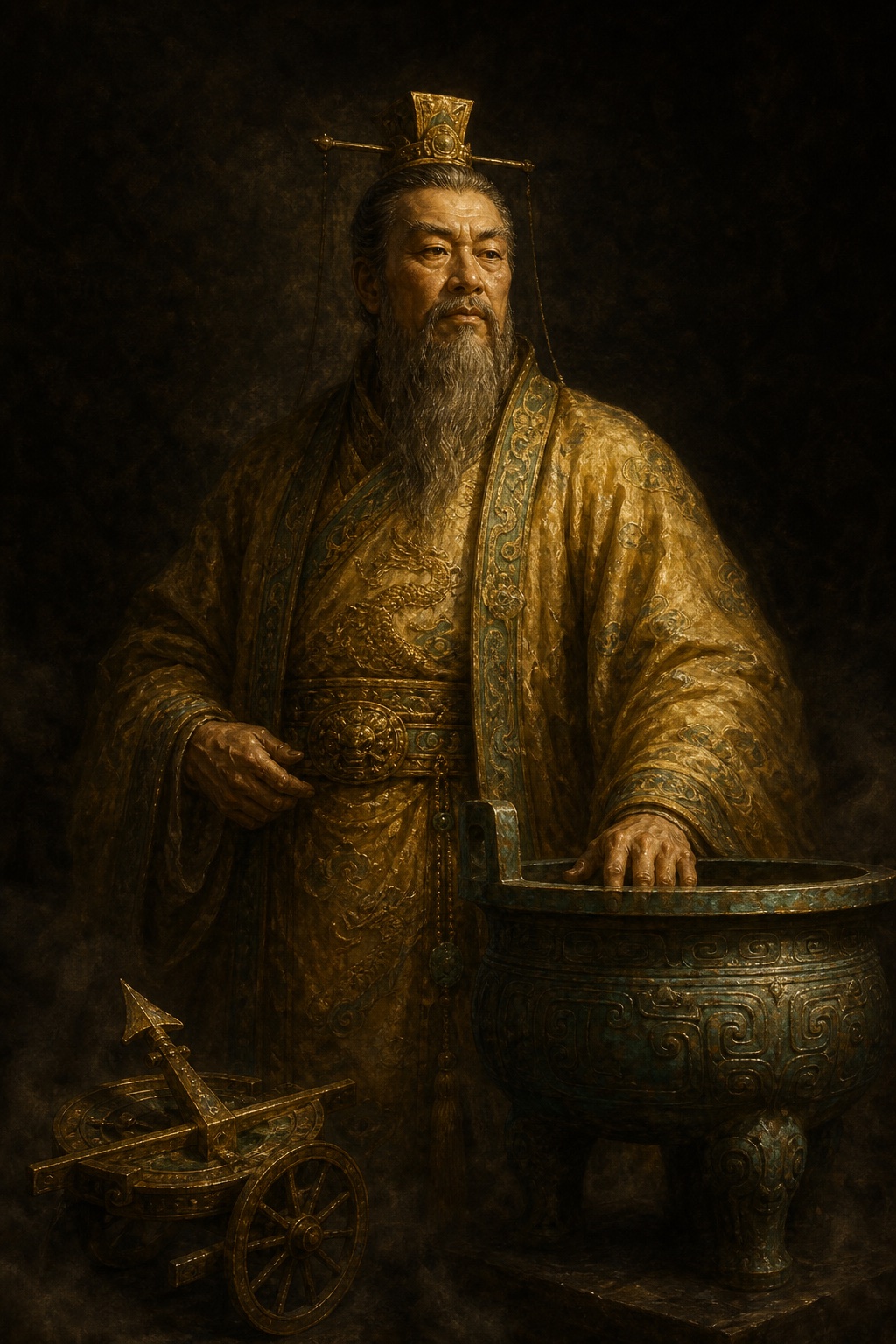
The Yellow Emperor
kingship · war · order · healing
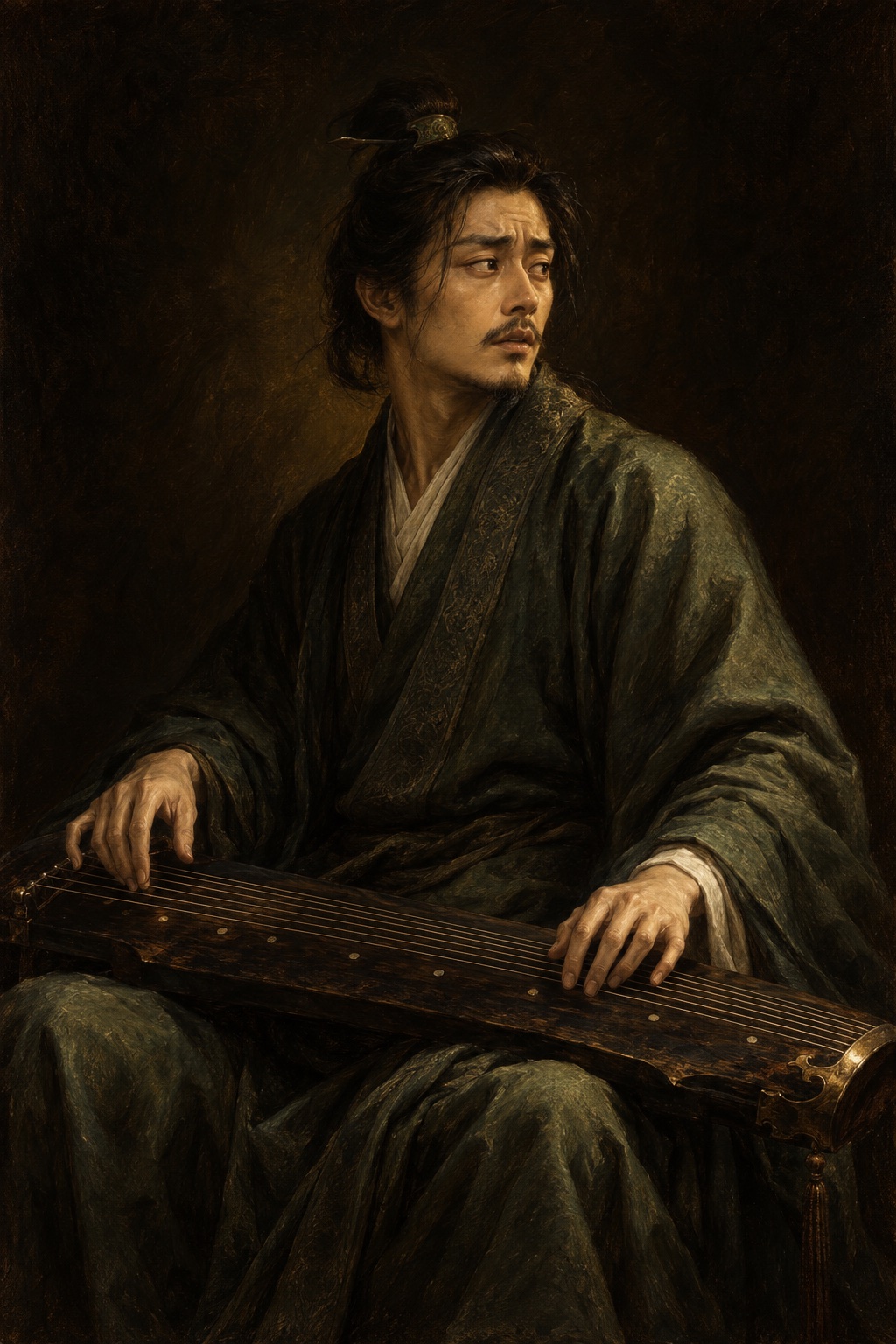
Xiang
trickery
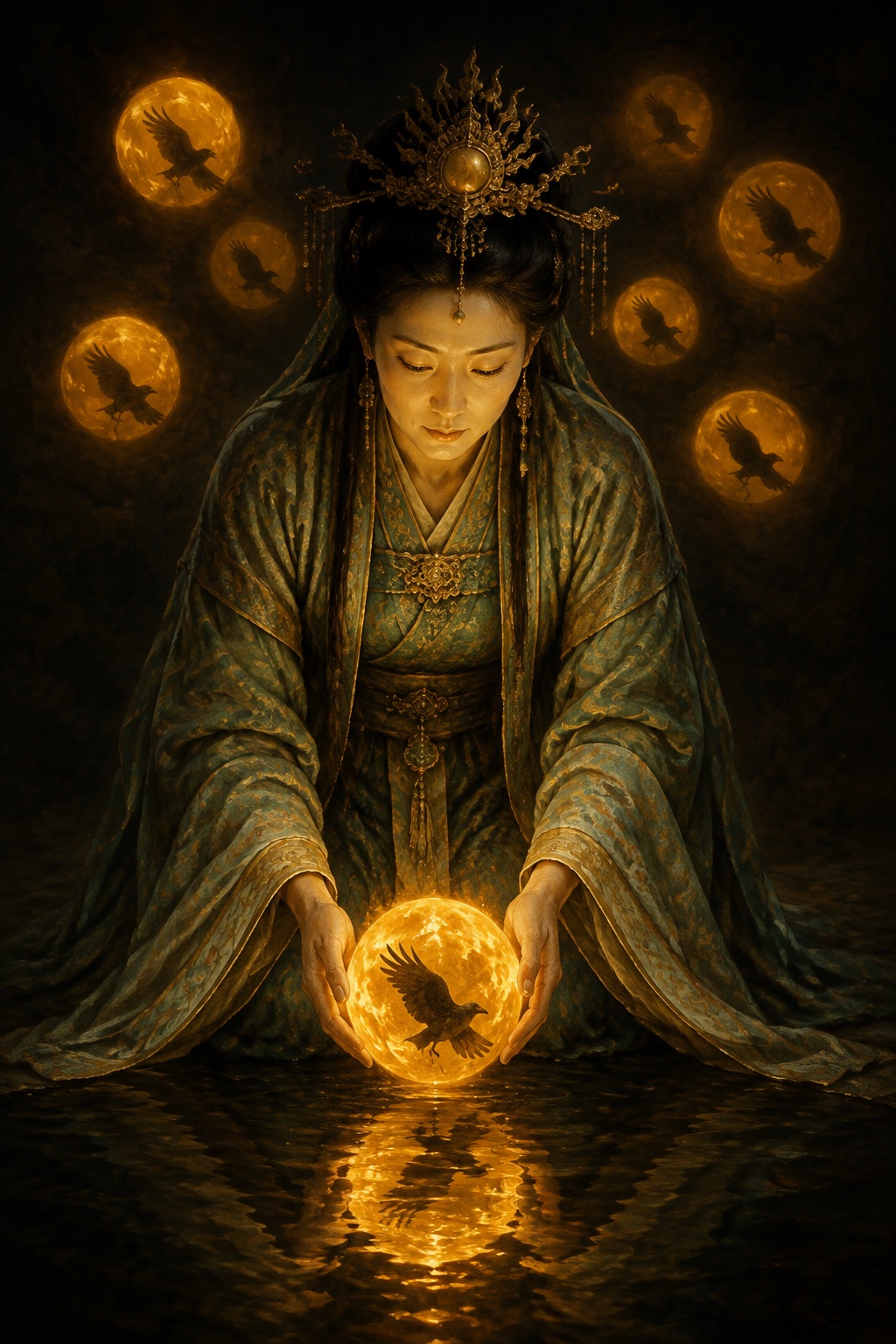
Xihe
sun · sky · order
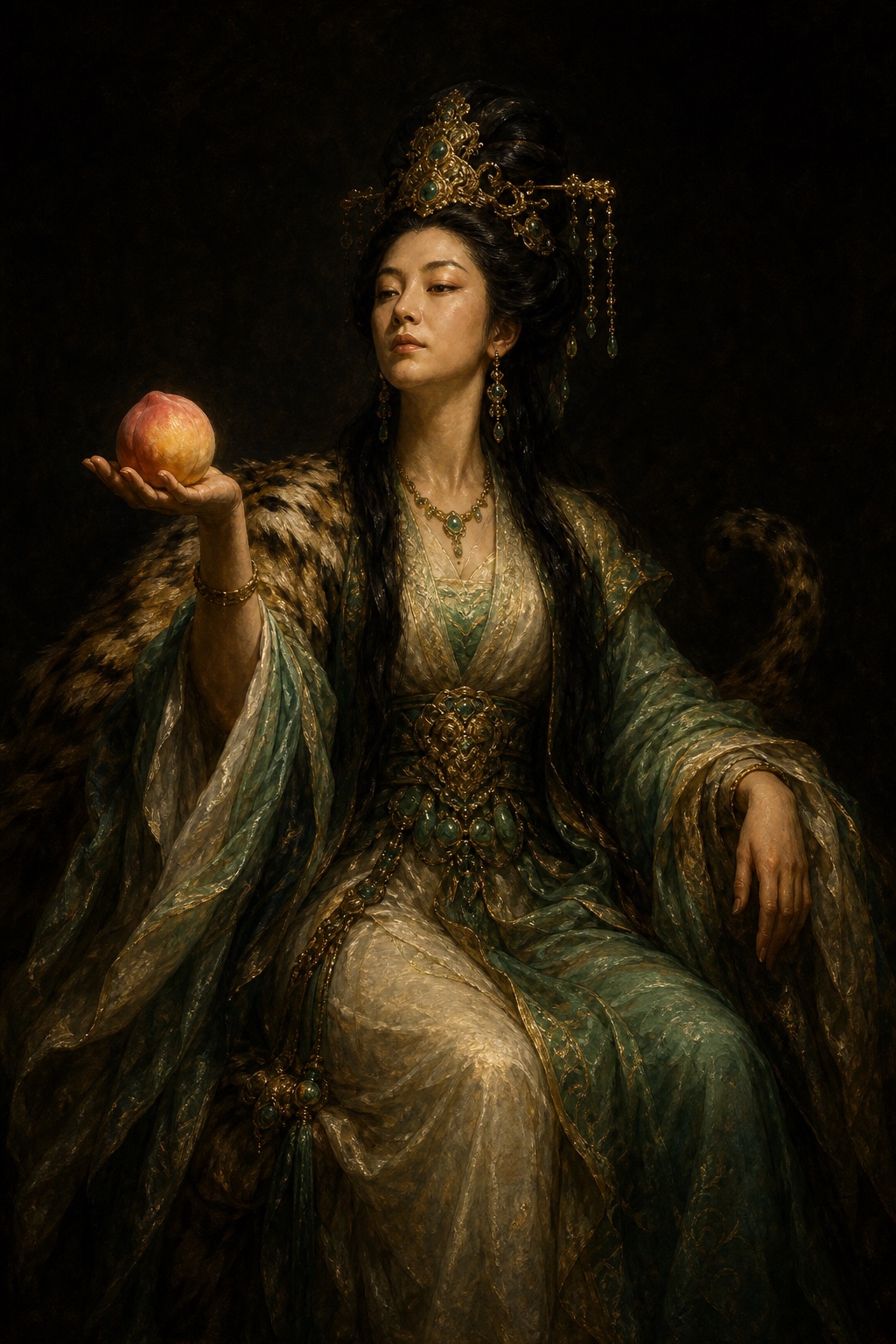
Xiwangmu
immortality · fate · magic · protection
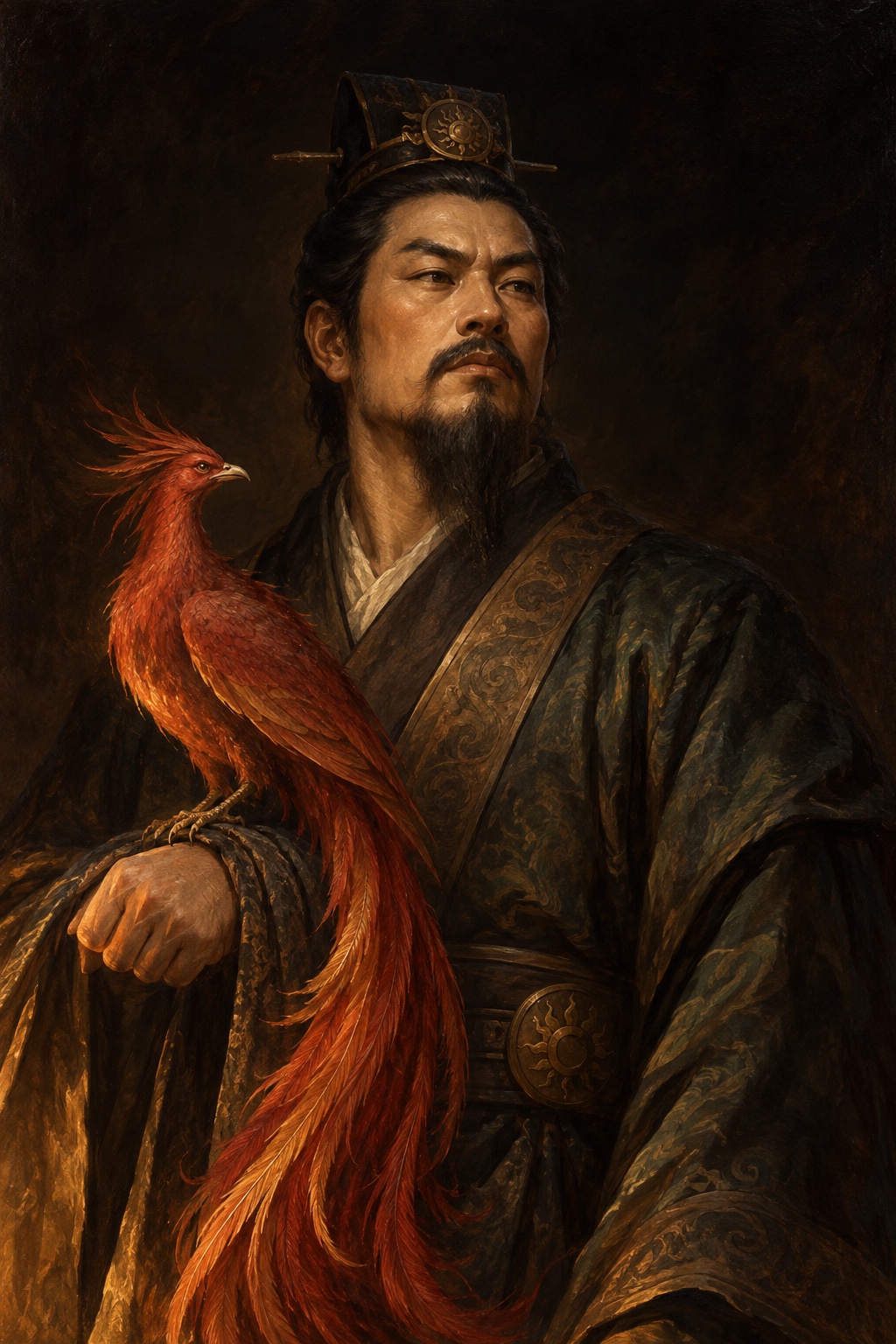
Yandi
fire · kingship · war
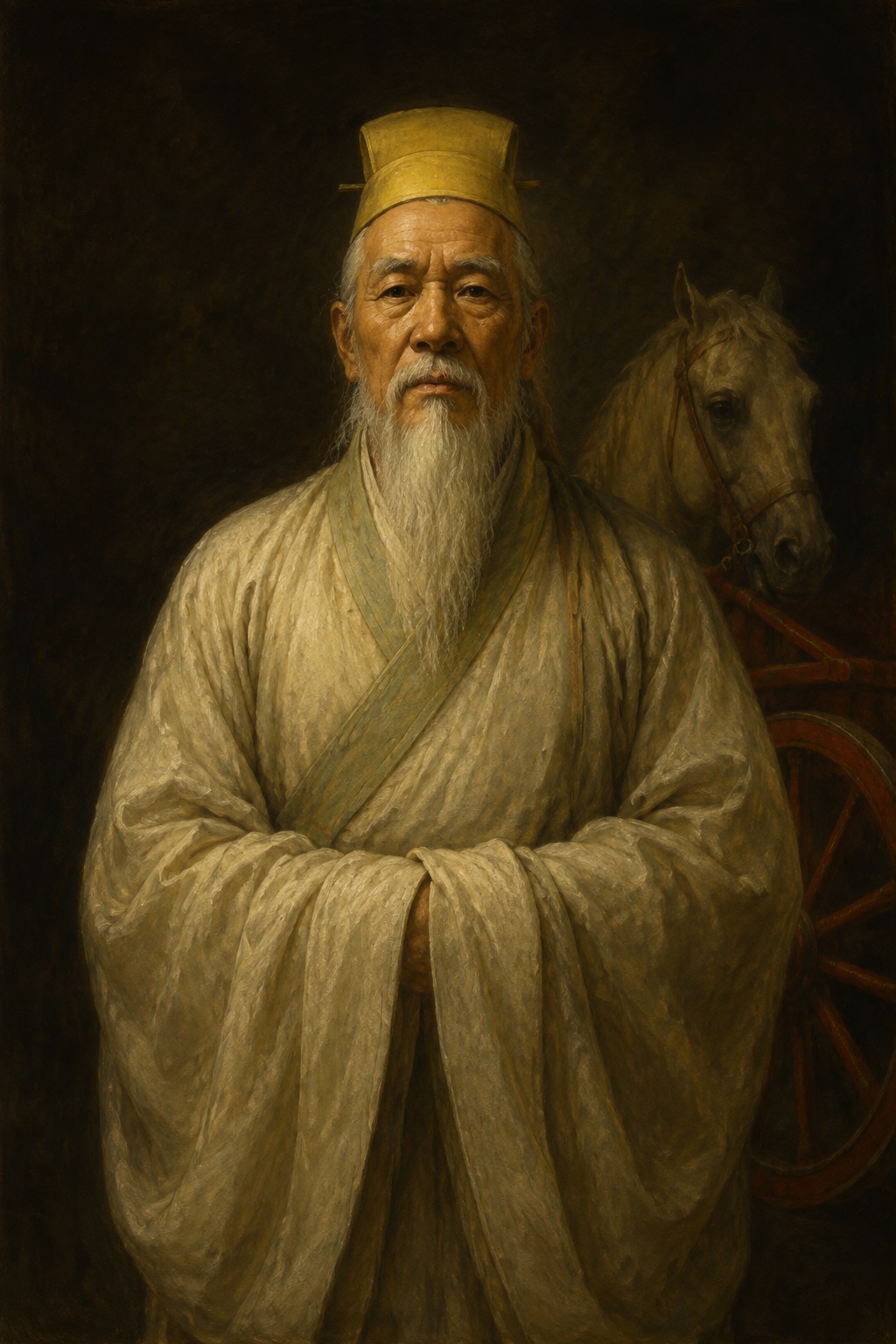
Yao
kingship · justice · order · sky
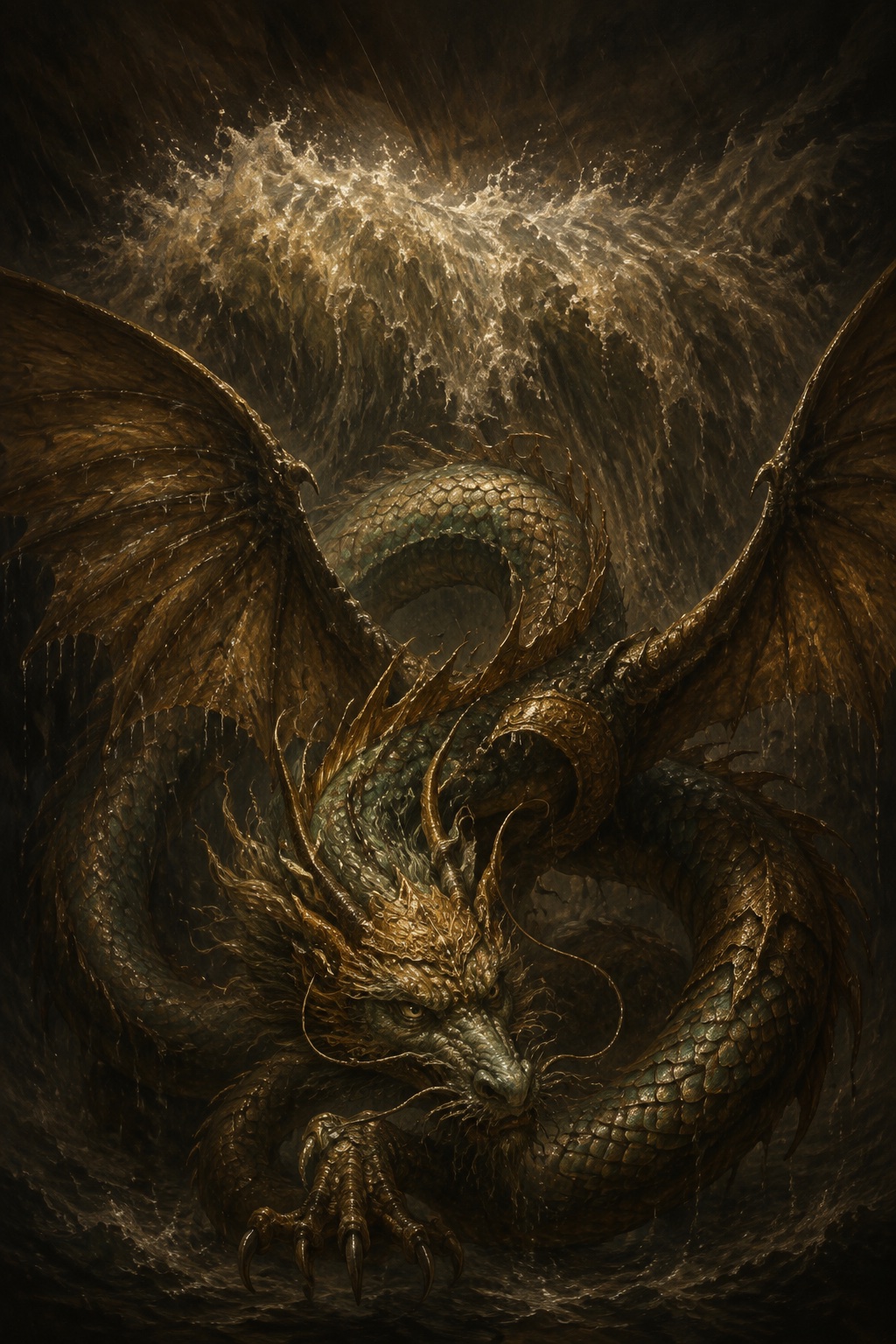
Yinglong
war · storms · sky
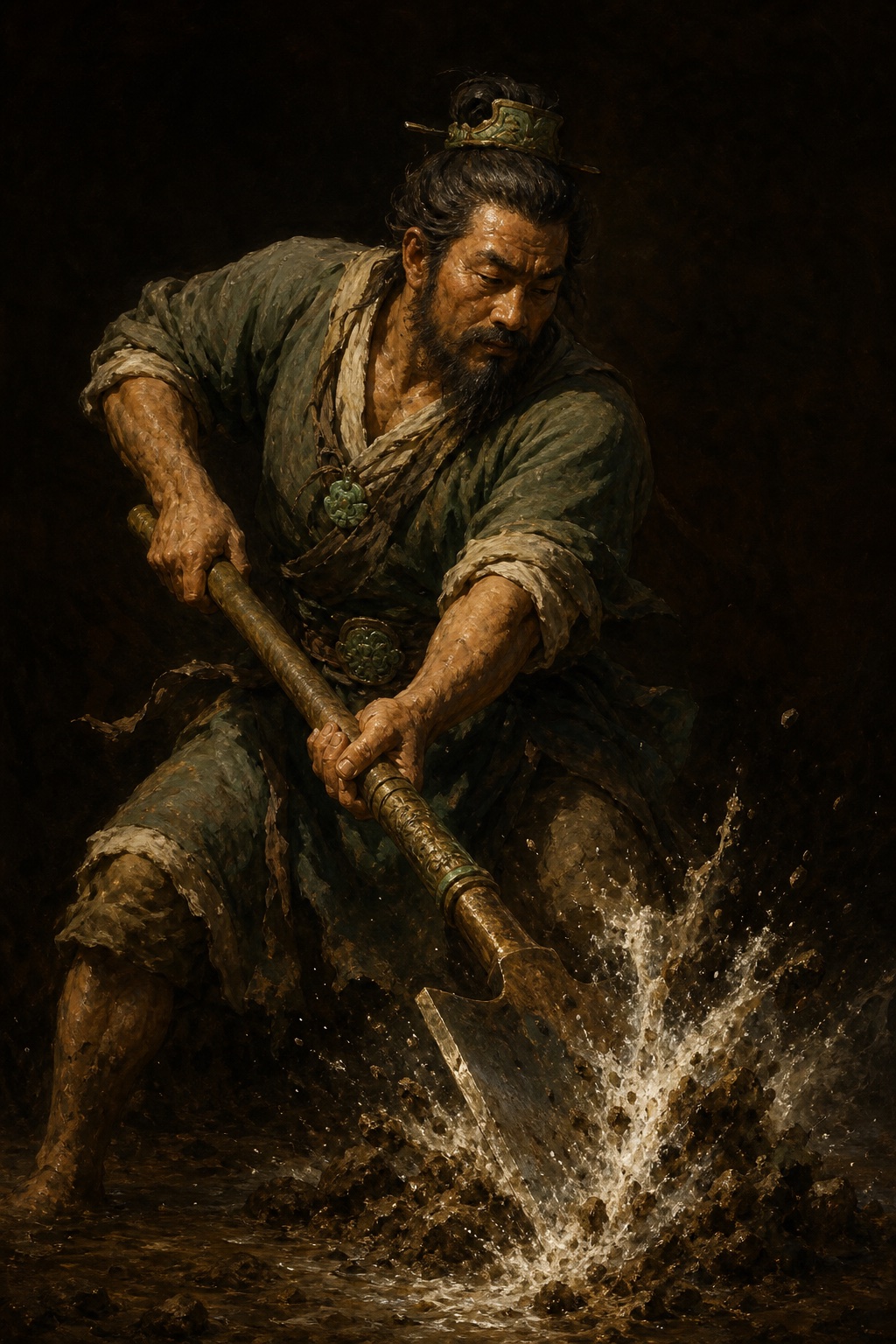
Yu
kingship · order · sea
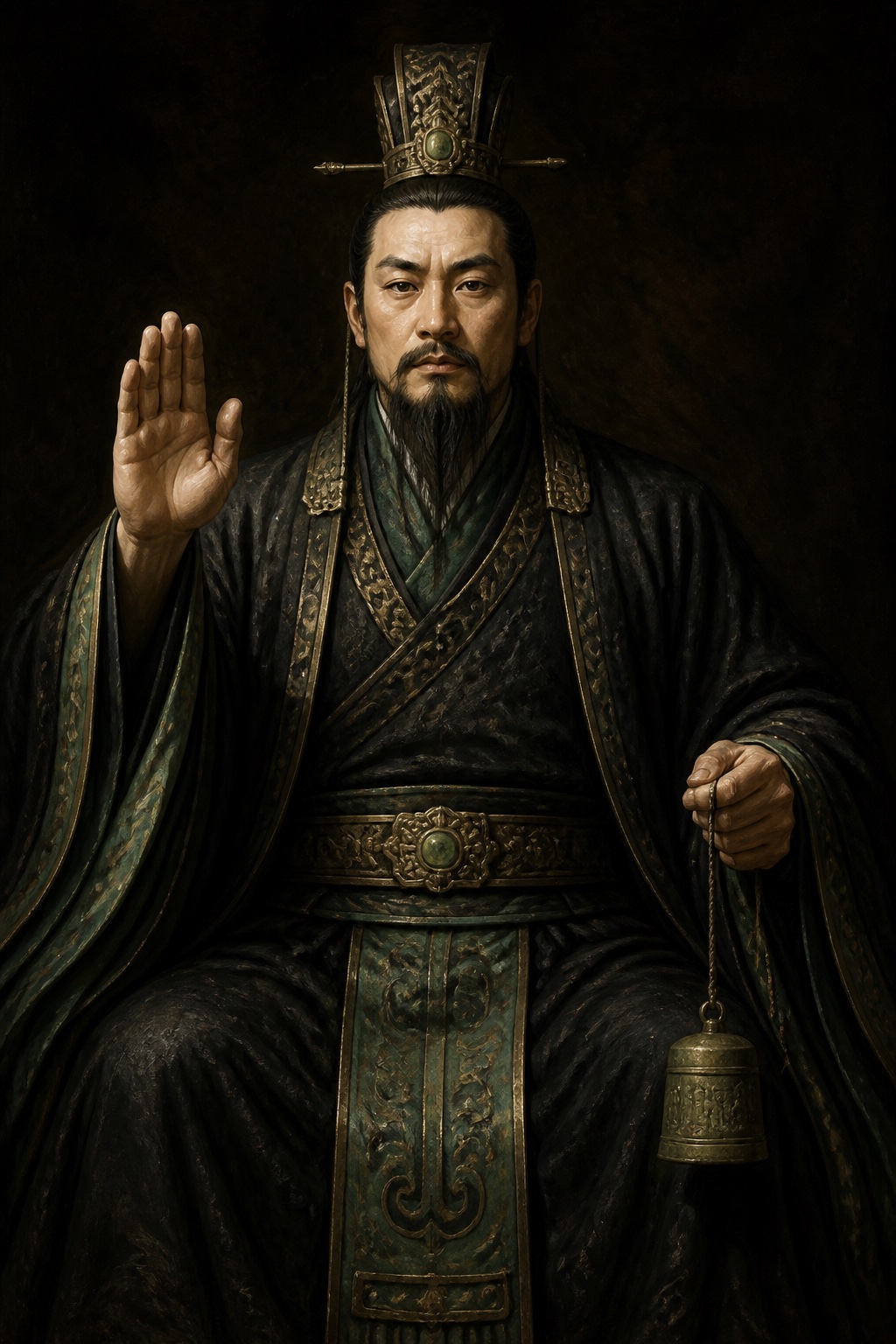
Zhuanxu
order · winter · kingship
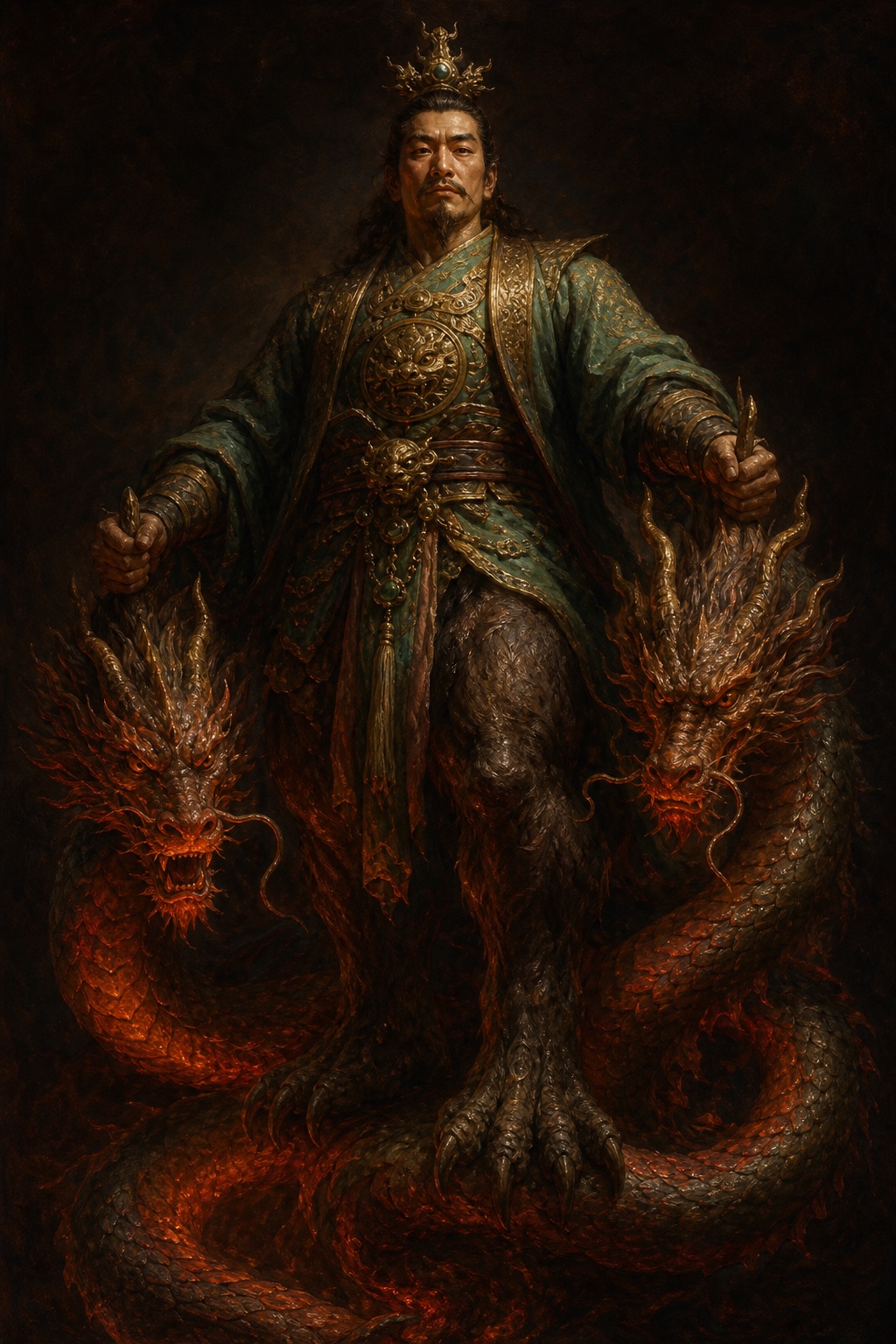
Zhurong
fire · order
Monsters
11 entries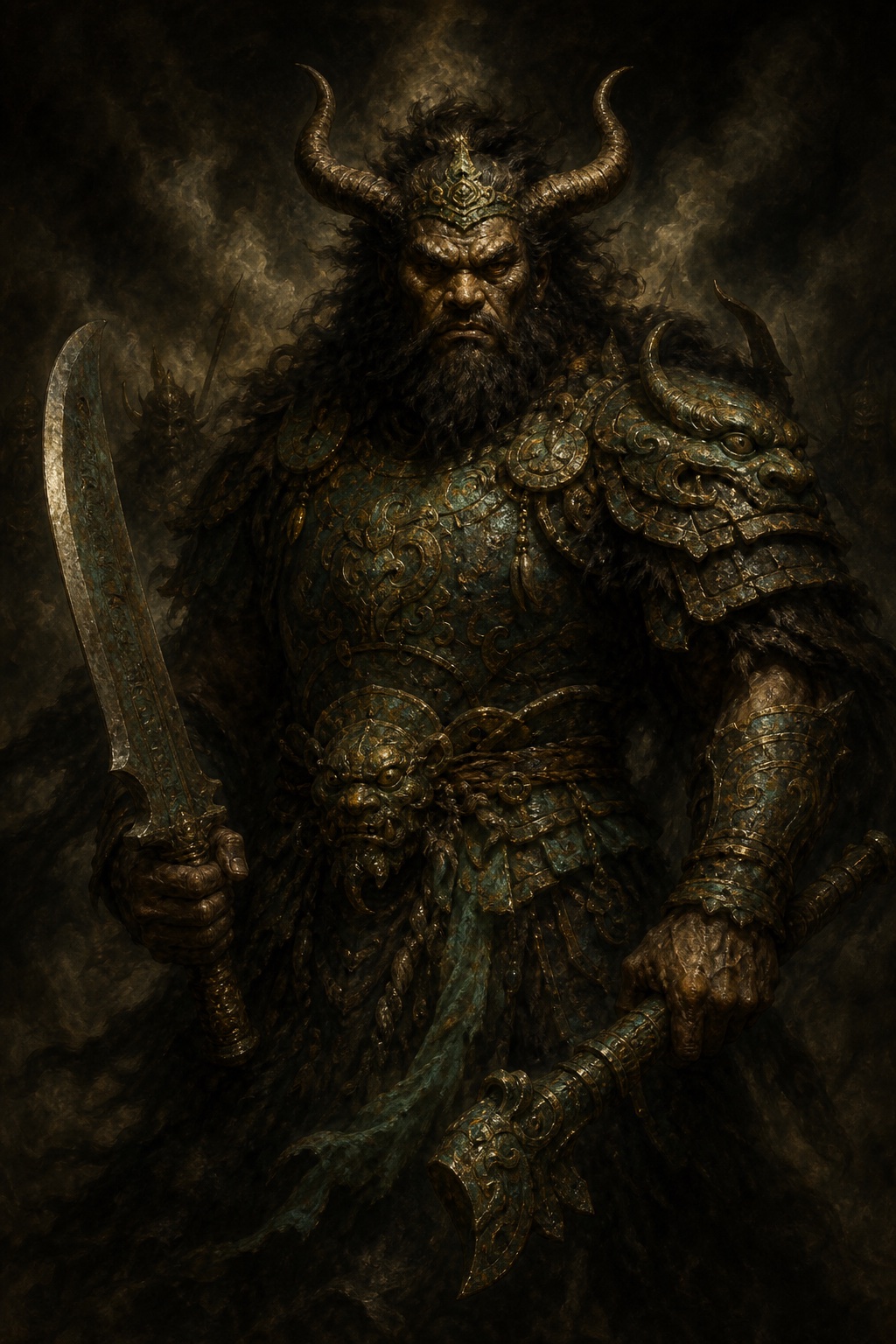
Chiyou
Bronze-headed lord of war and fog, named in the oldest Chinese book as the first to make disorder.
war · chaos · monsters
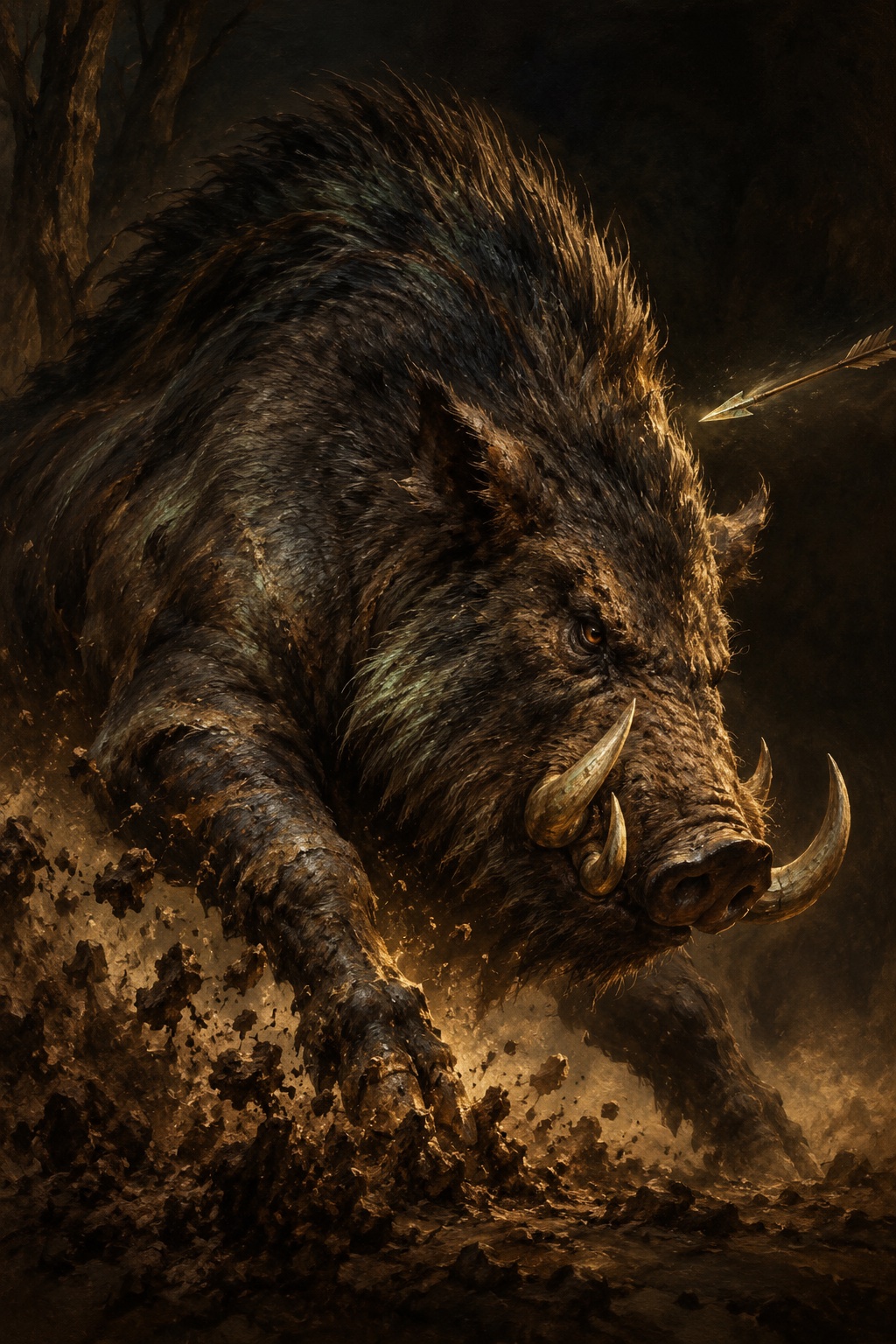
Fengxi
In the Tianwen, the great boar that Yi shoots before an offering of fat the Sovereign Lord does not approve; in the Huainanzi, one of six harms to the people, captured by Hou Yi in the Mulberry Forest at Yao's command.
monsters · hunting
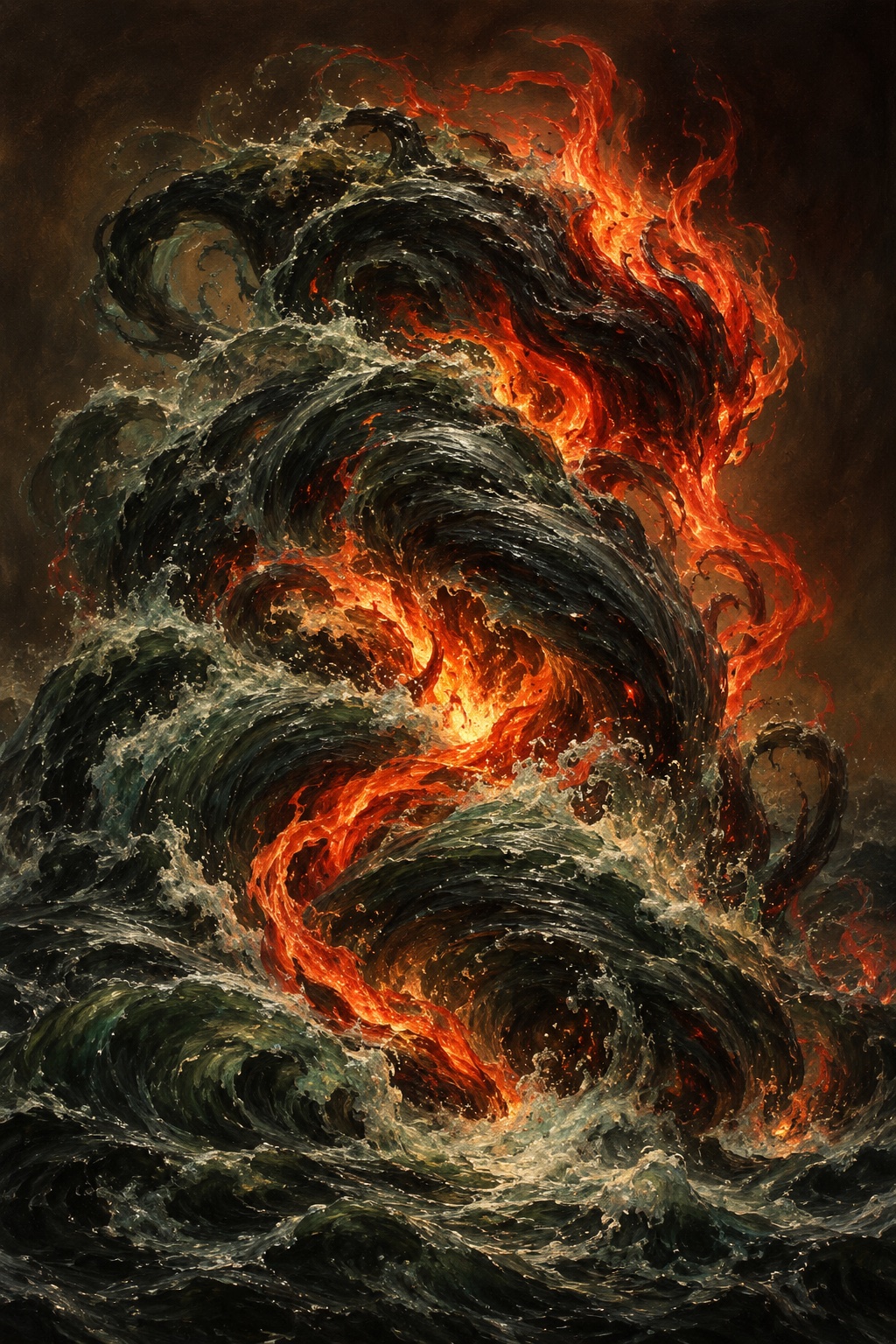
Jiuying
In the Huainanzi, one of the six harms of Yao's time, killed by Hou Yi on the Xiong River; to its commentator Gao You, a prodigy of water and fire; to a note in Luo Mi's Lushi, a name for fierce men; and to the readers Wu Renchen reports, nine of the ten suns.
monsters · chaos
Qiongqi
In the Shanhaijing, a bristled ox on Mount Gui or a winged tiger that eats men from the head; in the Shenyijing, a beast that eats the honest and feeds the wicked; in the Zuozhuan, the name the people gave a slanderer of the Shaohao clan, cast out by Shun among the Four Perils.
monsters · chaos
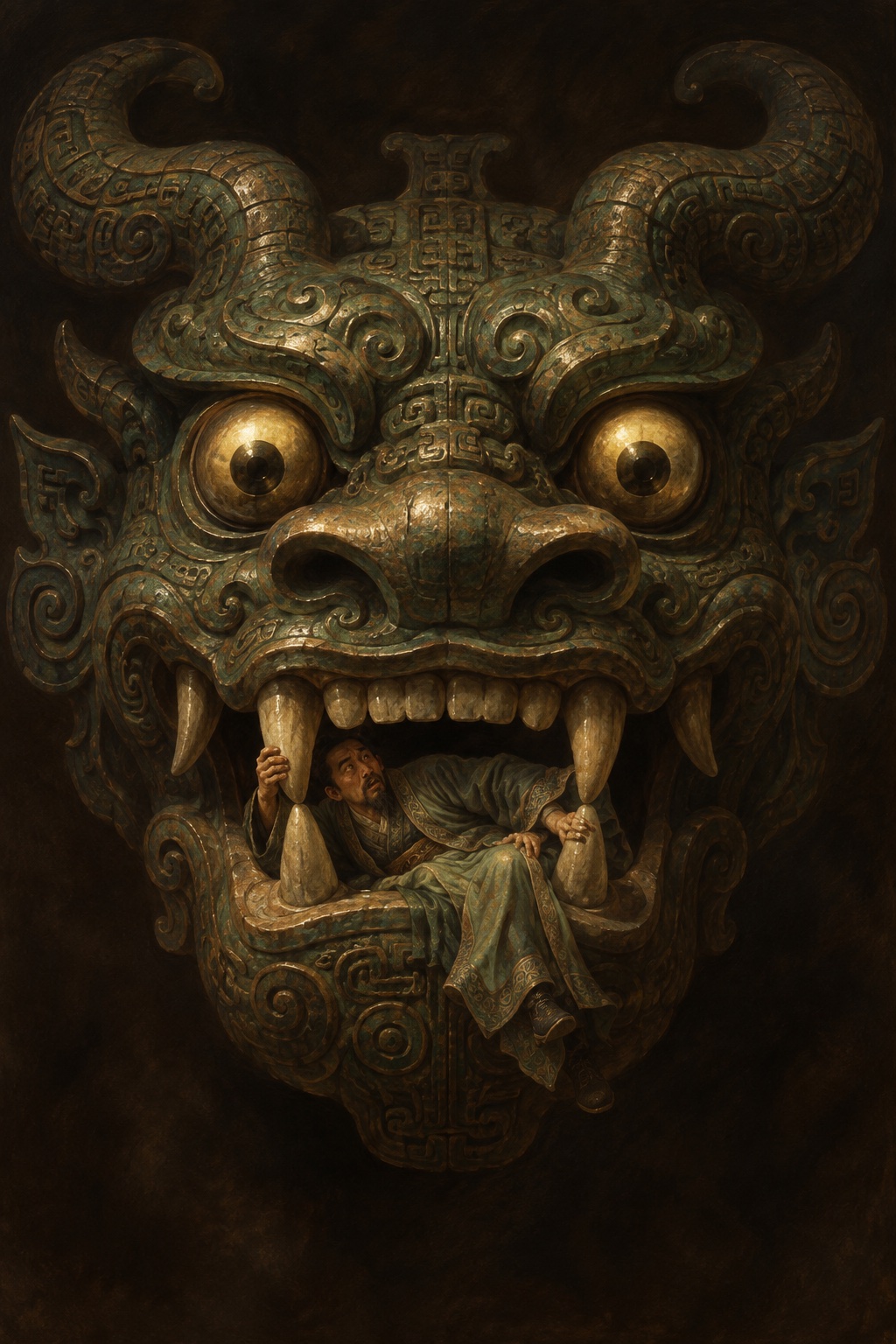
Taotie
In the Zuozhuan, the nickname of a greedy man whom Shun cast out among the Four Perils; in the Lüshi Chunqiu, a head with no body on the Zhou tripods, which eats a man and is harmed before it can swallow.
monsters · chaos
Taowu
The unteachable son of Zhuanxu whom the people named for his wickedness — one of the Four Perils whom Shun banished to the four borders of the world.
chaos · monsters
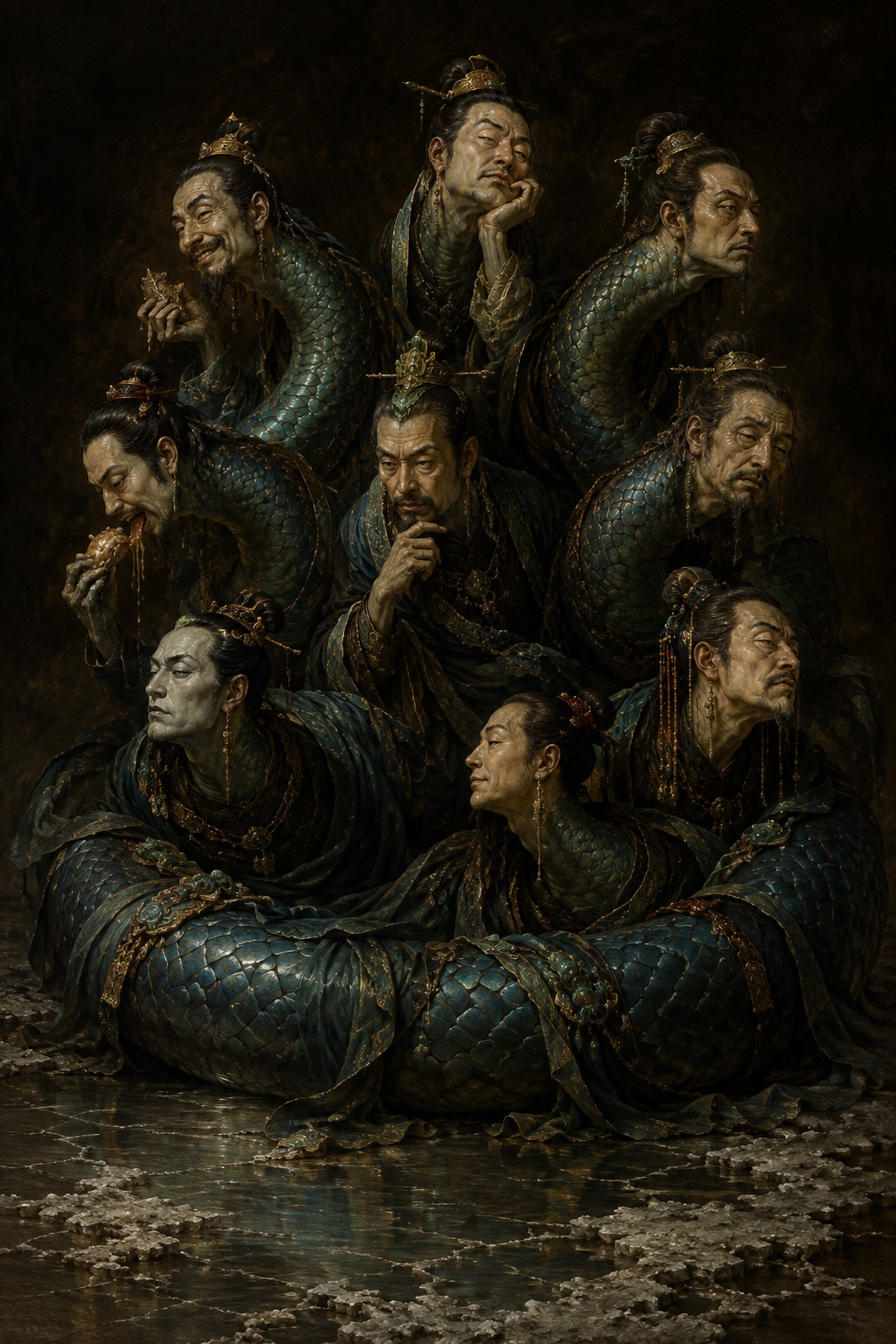
Xiangliu
Gong Gong's nine-headed minister, who fed off nine mountains and left marsh wherever he leaned — and whose blood, once Yu killed him, would grow no grain.
monsters · chaos · sea
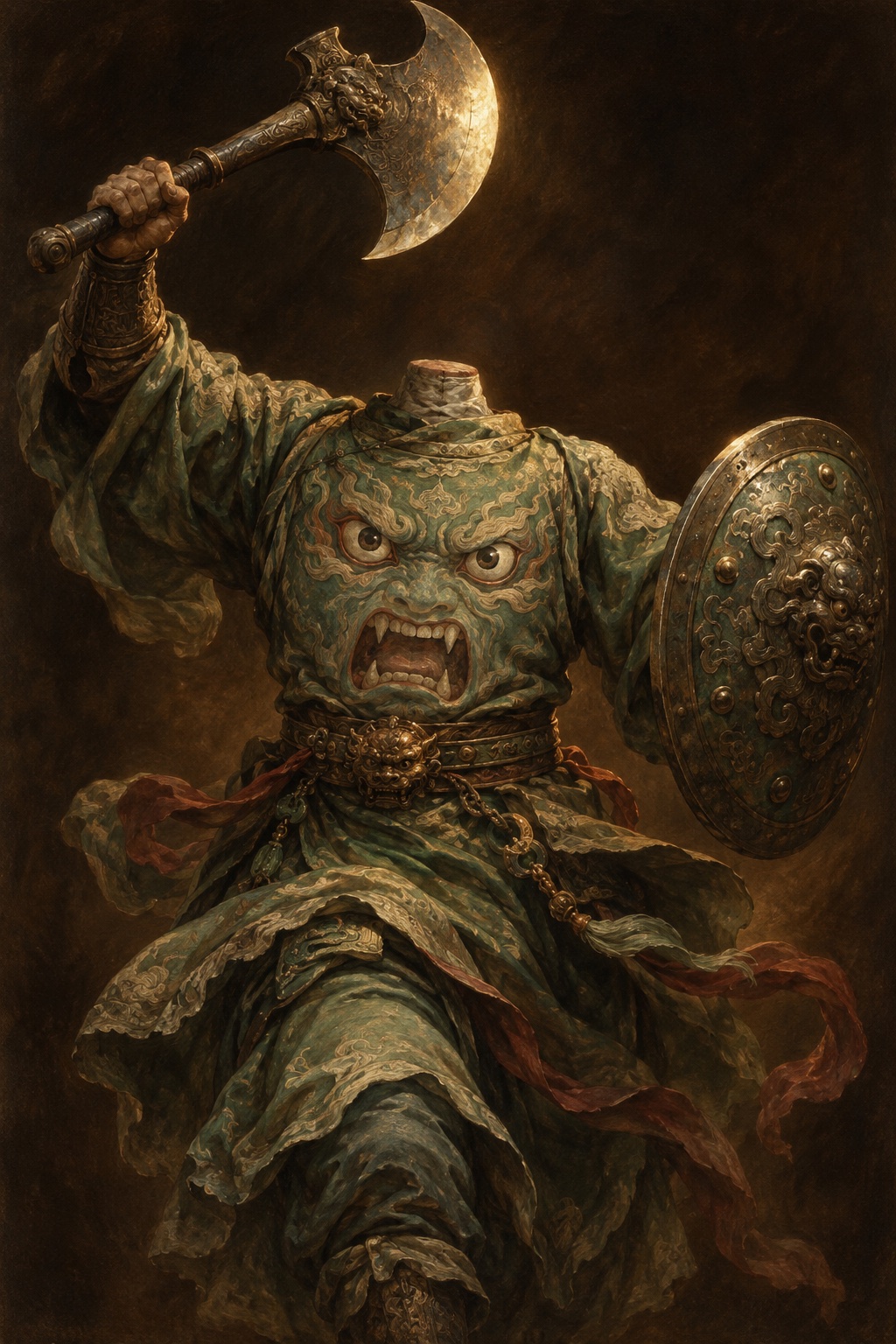
Xingtian
Beheaded by the Emperor for contending with him for godhead, he took his nipples for eyes and his navel for a mouth, and danced with shield and axe.
war · chaos · monsters
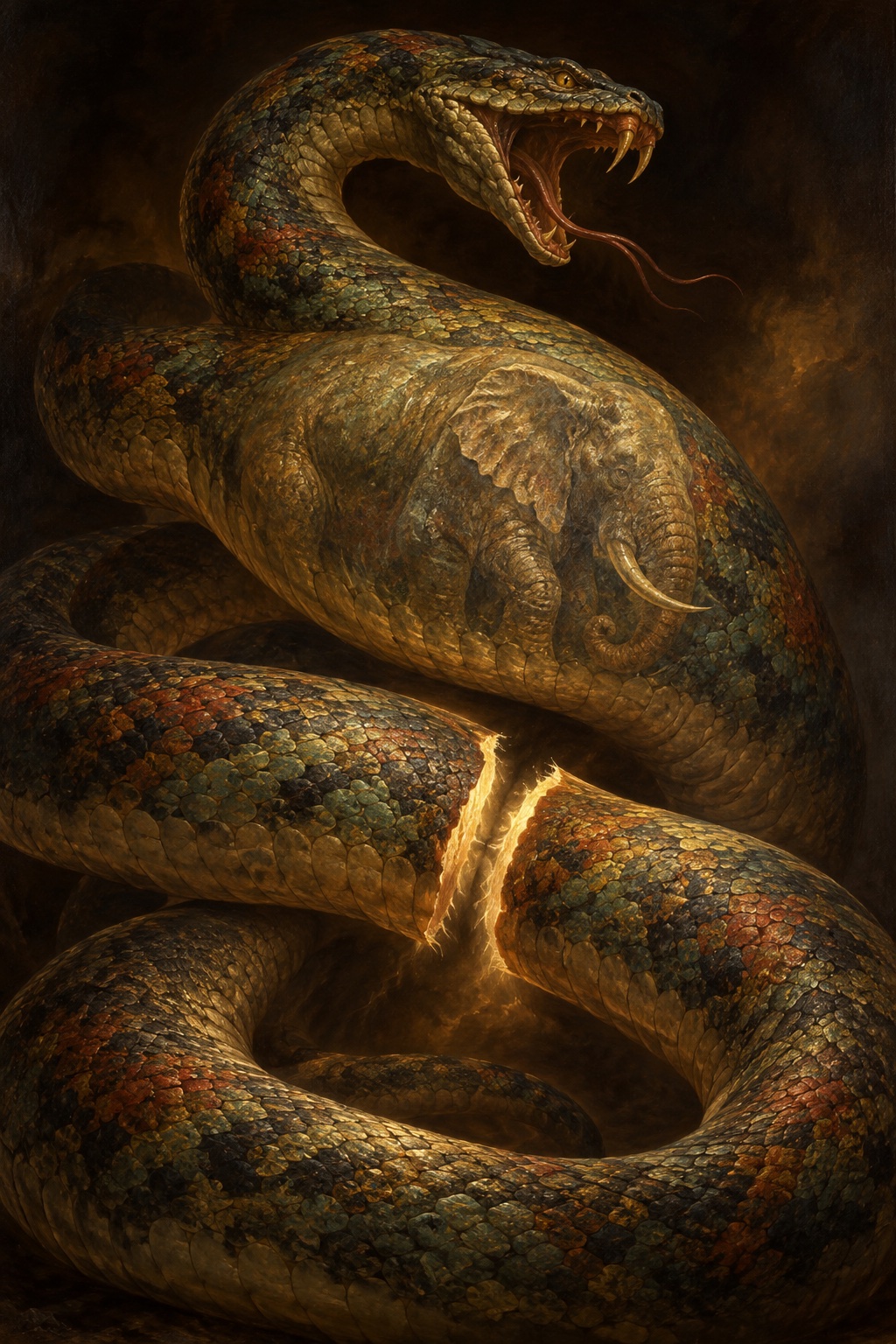
Xiushe
In the Huainanzi, the last named of the six harms of Yao's time, cut apart by Hou Yi at Dongting; to its commentator Gao You, a great snake of the elephant-swallowing kind, and to Li Bai, the snake whose bones became the hill of Baling.
monsters · chaos
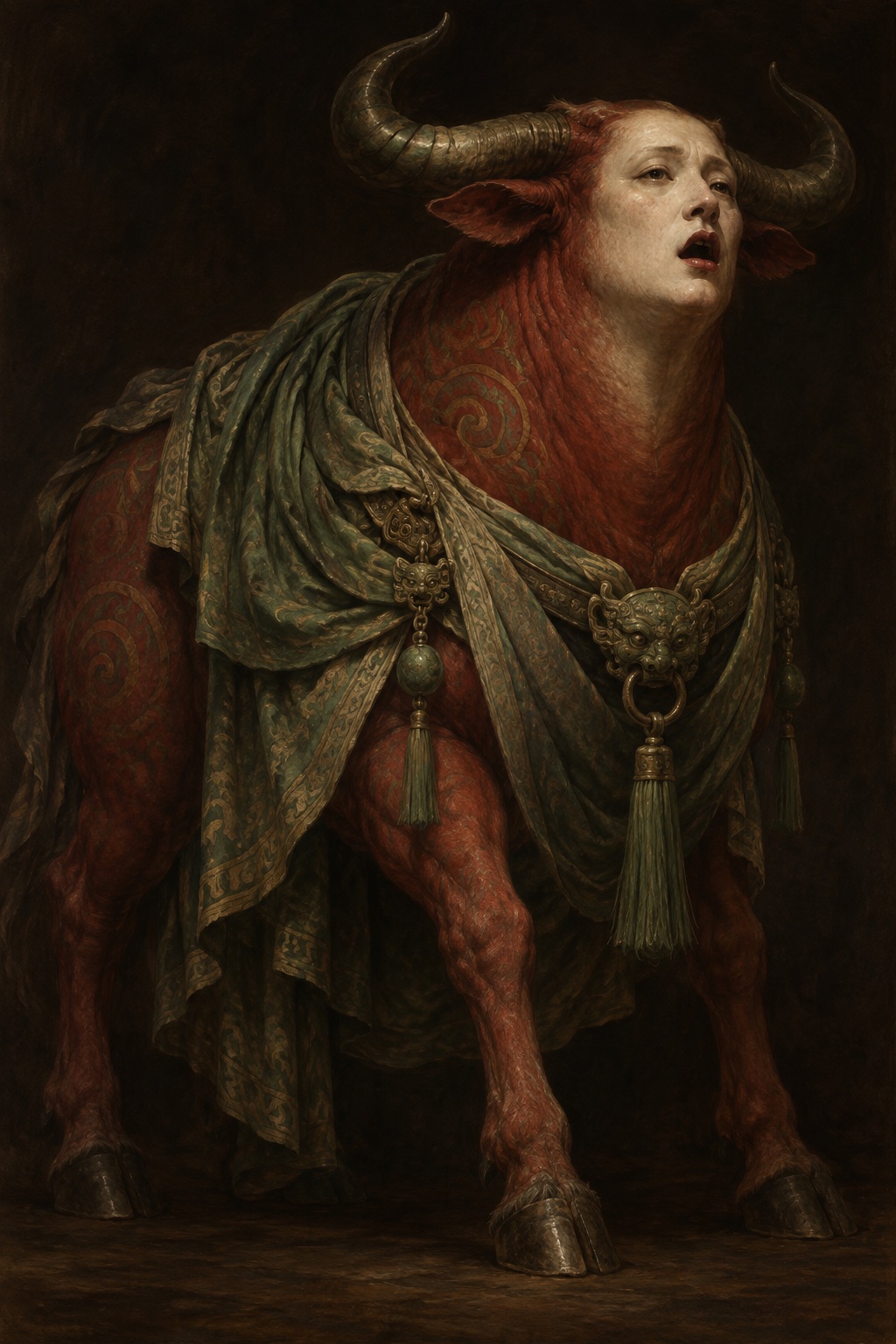
Yayu
In the Shanhaijing, a snake-bodied, human-faced being that Erfu and his servant Wei kill, its corpse flanked by six shamans holding the drug of no-death; in the Huainanzi, one of six harms to the people, killed by Hou Yi at Yao's command.
monsters · chaos
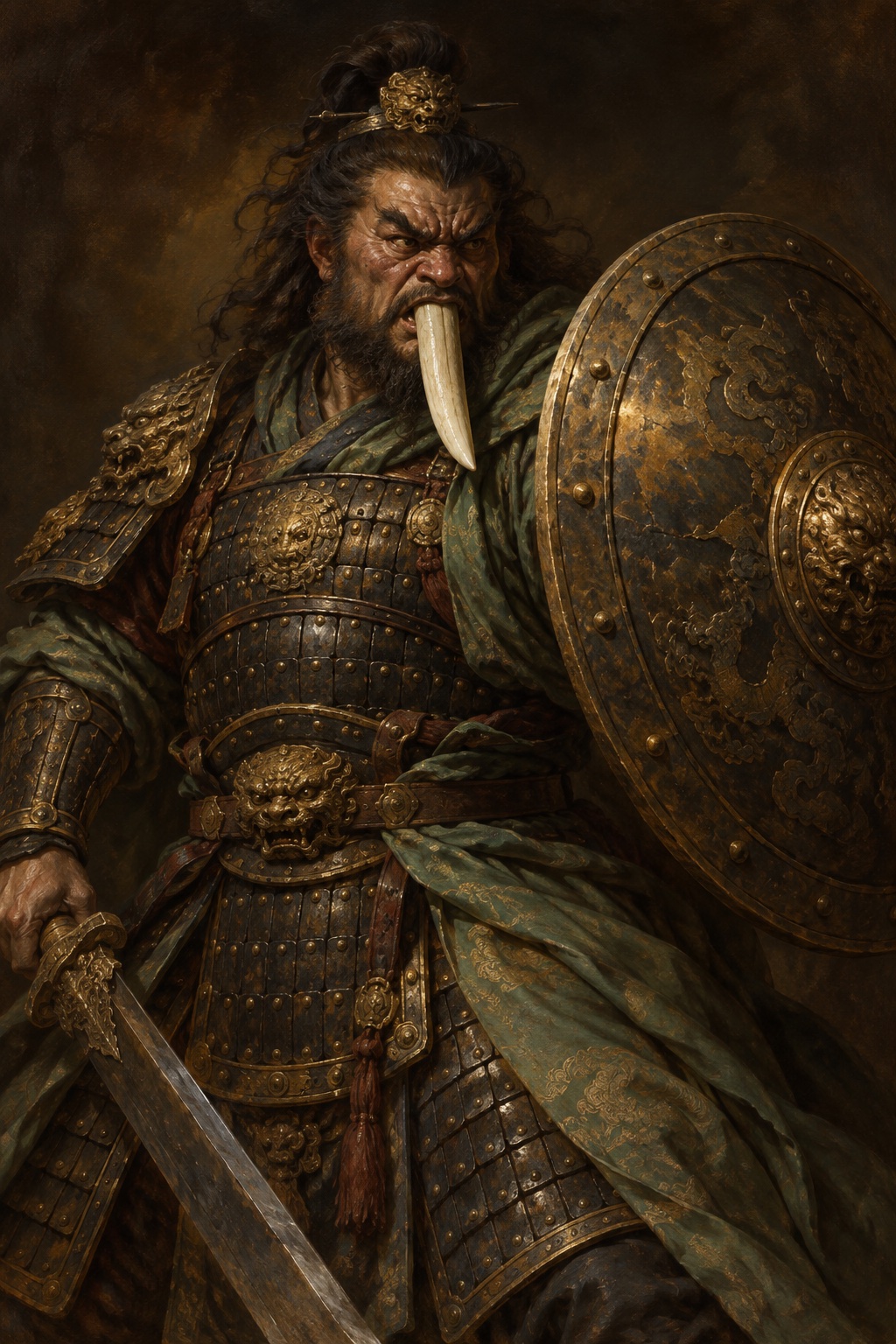
Zaochi
In the Shanhaijing, the shield-bearer whom Hou Yi fights and shoots dead in the wilds of Shouhua; in the Huainanzi, one of six harms to the people, executed at Yao's command in the wilds of Chouhua.
monsters · war
Continue elsewhere